Many people worry that fertility struggles run in families and cannot be changed. While genetics and fertility are closely linked and can influence reproductive health, fertility is rarely decided by genes alone. Lifestyle choices, quality medical care, and early intervention play a major role in improving outcomes. At AAS Fertility & IVF Center, couples have been supported for over 10 years with expert diagnosis and personalized fertility solutions that go beyond genetic limitations.
Understanding the Link Between Genetics and Fertility
Genetics and fertility are connected in several ways, but the relationship is not absolute. Certain inherited conditions can affect hormone production, egg quality, sperm development, or reproductive organs.
However, having a genetic predisposition does not automatically mean infertility. Many individuals with a family history of fertility issues conceive naturally or with minimal medical support when guided properly.
Genetic Factors That May Affect Fertility
Some genetic conditions are known to influence reproductive health. Chromosomal abnormalities can impact egg or sperm formation, while inherited hormonal disorders may disrupt ovulation or sperm production. In men, genetic variations can affect sperm count or motility. In women, genetic factors may influence ovarian reserve or menstrual regularity. Still, these factors represent risk, not certainty.
How Genetics and Fertility Differ Between Men and Women?
Genetics and fertility affect men and women differently. In women, inherited conditions may influence egg quantity, egg quality, or reproductive anatomy. In men, genetic factors may reduce sperm production or cause structural sperm issues. Despite these differences, modern fertility treatments can successfully address many genetically influenced challenges in both partners.
Why Genetics Alone Do Not Decide Fertility Outcomes?
Fertility is shaped by multiple factors beyond genetic issues. Age, lifestyle, stress, nutrition, environmental exposure, and overall health strongly influence reproductive potential. Even when genetics plays a role, timely diagnosis and appropriate treatment often improve outcomes significantly. Many couples with genetic concerns achieve successful pregnancies through proper medical care.
When Genetic Testing Becomes Important?
Genetic testing may be recommended when couples face repeated pregnancy loss, unexplained infertility, or known inherited conditions. Testing helps identify potential risks and guides treatment decisions. At AAS Fertility & IVF Center, genetic evaluation is used responsibly to create clear, personalized fertility plans rather than unnecessary fear.
How Fertility Treatments Overcome Genetic Challenges?
Advancements in reproductive medicine allow doctors to manage many genetic fertility issues effectively. Hormonal therapies, assisted reproductive techniques, and careful embryo selection help improve success rates. With expert planning, genetics and fertility challenges can often be minimized or managed safely.
Expert Guidance Makes the Difference
Understanding genetics and fertility requires professional interpretation. Self-diagnosis or assumptions based on family history can cause unnecessary stress. Fertility specialists assess the complete picture, combining genetic insights with clinical findings to recommend the most effective approach.
Support at AAS Fertility & IVF Center
At AAS Fertility & IVF Center, fertility is treated as a holistic journey. Couples receive compassionate counseling, evidence-based treatments, and continuous support. Even when genetic factors are involved, patients are guided with clarity, confidence, and realistic hope toward building their families.
Early Pregnancy and Common Symptoms: What to Expect in the First Weeks
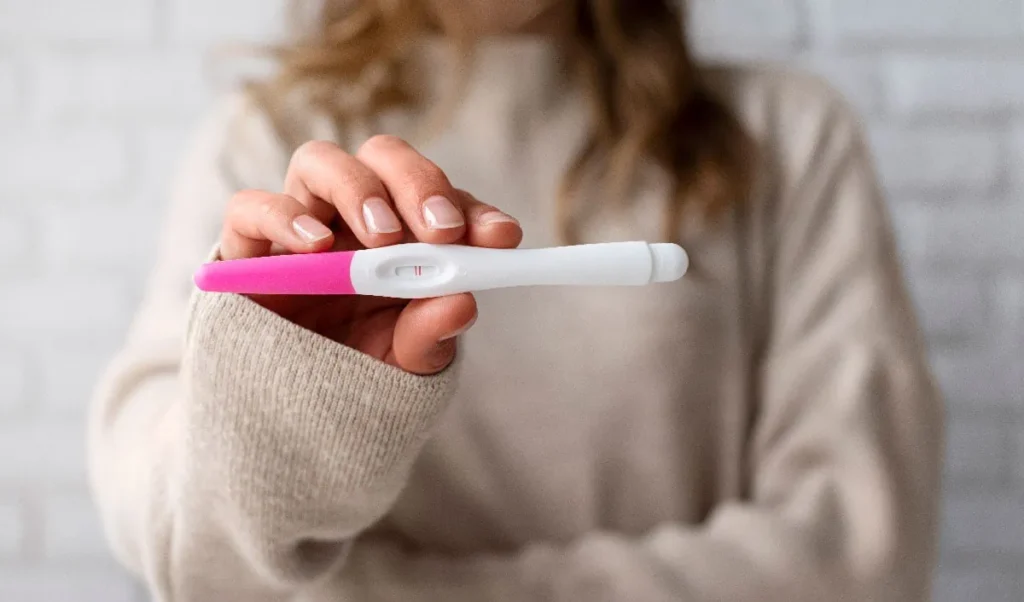
Early pregnancy symptoms in Lahore can vary from woman to woman, but common signs may include a missed period, nausea, breast tenderness, fatigue, frequent urination, mild cramping, and changes in appetite or mood. If you suspect pregnancy, taking a pregnancy test in Lahore can help confirm your pregnancy, while consulting a qualified doctor can provide appropriate guidance and care.
The first few weeks of pregnancy can bring many physical and emotional changes. Some women notice symptoms shortly after conception, while others may have very few symptoms during early pregnancy. Understanding these changes can help you recognize possible signs of pregnancy and know when to seek medical advice.
If you are trying to conceive or have been experiencing difficulty becoming pregnant, consulting a fertility specialist in Lahore can help identify possible fertility concerns and provide personalized guidance.
What Are the Early Signs of Pregnancy?
Early pregnancy symptoms can begin as early as a few weeks after conception, although the timing and intensity vary considerably.
Some of the most common early pregnancy symptoms include:
Missed or delayed menstrual period
Nausea or vomiting
Breast tenderness or swelling
Increased tiredness or fatigue
Frequent urination
Mild abdominal cramping
Light spotting
Increased sensitivity to smells
Food cravings or aversions
Mood changes
Bloating
Headaches
Having one or more of these symptoms does not necessarily mean that you are pregnant. Similar symptoms can occur before menstruation or because of hormonal changes, stress, or other health conditions.
Early Pregnancy Symptoms in Lahore: When Do They Start?
Early pregnancy symptoms in Lahore are generally the same as pregnancy symptoms experienced anywhere else. However, every woman’s pregnancy experience is different, and symptoms may appear at different times.
Some women may notice fatigue, breast tenderness, or mild cramping soon after conception. Others may not experience noticeable symptoms until several weeks into pregnancy.
A missed period is often one of the first noticeable signs of pregnancy, particularly for women who have regular menstrual cycles.
Can Pregnancy Symptoms Start Before a Missed Period?
Yes. Some women may experience symptoms before their expected period.
Possible early symptoms include:
Breast tenderness
Fatigue
Mild cramping
Bloating
Changes in smell or taste
Increased urination
However, these symptoms can also occur before menstruation. Therefore, symptoms alone cannot confirm pregnancy.
Missed Period as an Early Pregnancy Sign
A missed period is one of the most commonly recognized signs of pregnancy.
When conception occurs, hormonal changes support the development of pregnancy and usually prevent the next menstrual period. However, a late period can also happen because of stress, hormonal imbalance, PCOS, changes in weight, excessive exercise, or other medical conditions.
If your period is late and you have been sexually active, a pregnancy test can help determine whether pregnancy is the reason.
Pregnancy Test in Lahore: When Should You Take One?
A pregnancy test in Lahore can provide a convenient way to confirm suspected pregnancy after a missed period. Home urine pregnancy tests detect human chorionic gonadotropin (hCG), a hormone produced during pregnancy.
For the most reliable result, follow the instructions provided with the test kit carefully. Testing too early may result in a negative test even if pregnancy has occurred.
If your test is positive, arrange an appointment with a qualified healthcare professional for appropriate pregnancy confirmation and early prenatal care.
If your test is negative but your period remains absent, you may need to repeat the test after a few days or discuss your symptoms with a doctor.
Nausea and Morning Sickness in Early Pregnancy
Nausea is another common early pregnancy symptom. Despite being called “morning sickness,” nausea can occur at any time of the day.
Some women experience mild nausea, while others may experience vomiting. Certain smells, foods, or an empty stomach may make symptoms worse.
If vomiting is severe or you cannot keep fluids down, seek medical advice because excessive vomiting can lead to dehydration and may require treatment.
Breast Changes During Early Pregnancy
Hormonal changes during pregnancy can cause noticeable changes in the breasts.
You may experience:
Breast tenderness
Swelling
Increased sensitivity
A feeling of heaviness
Darkening of the areolas
These changes can occur during the early weeks of pregnancy and may become more noticeable as pregnancy progresses.
Fatigue and Tiredness During Early Pregnancy
Feeling unusually tired is common during early pregnancy.
Hormonal changes, particularly increased progesterone, can contribute to fatigue. Your body is also undergoing significant changes to support the developing pregnancy.
Getting adequate rest, maintaining a balanced diet, staying hydrated, and following your healthcare provider’s advice can help you manage fatigue.
Frequent Urination During Early Pregnancy
Some women notice that they need to urinate more frequently during early pregnancy.
Hormonal changes and increased blood flow to the kidneys can contribute to increased urination. As pregnancy progresses, pressure from the growing uterus can also affect the bladder.
Frequent urination is common, but pain or burning during urination may indicate a urinary tract infection and should be discussed with a healthcare professional.
Mild Cramping and Spotting in Early Pregnancy
Mild abdominal cramping can occur during early pregnancy. Some women may also experience light spotting.
While mild symptoms can occur during early pregnancy, heavy bleeding, severe abdominal pain, dizziness, fainting, or shoulder pain require prompt medical evaluation.
Do not ignore unusual or severe symptoms. A healthcare professional can determine whether further examination or testing is necessary.
When to See a Fertility Specialist in Lahore
If you have been trying to conceive without success, it may be appropriate to consult a fertility specialist in Lahore for an evaluation.
A fertility specialist may assess factors affecting both partners, including:
Ovulation problems
Hormonal conditions
PCOS
Fallopian tube problems
Endometriosis
Sperm-related fertility problems
Age-related fertility changes
Previous pregnancy complications
Fertility evaluation does not automatically mean that you will need IVF. Depending on the underlying cause, treatment may include lifestyle guidance, medication, ovulation treatment, IUI, or other fertility procedures.
When Should You Consider an IVF Clinic in Lahore?
An IVF clinic in Lahore may be considered when certain fertility problems make natural conception difficult or when other fertility treatments have not been successful.
IVF, or in vitro fertilization, involves fertilizing an egg with sperm in a laboratory and transferring a resulting embryo into the uterus.
Depending on the couple’s circumstances, fertility treatment may involve IVF, ICSI, embryo freezing, fertility testing, or other assisted reproductive techniques.
The appropriate treatment depends on individual factors such as age, medical history, fertility test results, ovarian reserve, sperm quality, and previous treatment.
How Is Early Pregnancy Confirmed?
Pregnancy is usually confirmed using a pregnancy test that detects hCG.
A healthcare professional may recommend:
A urine pregnancy test
A blood pregnancy test
An ultrasound examination at the appropriate stage of pregnancy
An ultrasound may be used to confirm the location and development of a pregnancy when it is medically appropriate.
Frequently Asked Questions About Early Pregnancy Symptoms
What are the most common early pregnancy symptoms in Lahore?
Common early pregnancy symptoms in Lahore include a missed period, nausea, breast tenderness, fatigue, frequent urination, mild cramping, food aversions, and increased sensitivity to smells. Symptoms vary between women, and having these symptoms does not confirm pregnancy.
When should I take a pregnancy test in Lahore?
A pregnancy test in Lahore can generally be taken around the time your period is due or after a missed period. Testing too early may produce a false-negative result because hCG levels may not yet be high enough to detect.
Can I be pregnant without having symptoms?
Yes, some women have few or no noticeable symptoms during the early stages of pregnancy. The absence of symptoms does not necessarily mean that you are not pregnant.
When should I see a fertility specialist in Lahore?
You should consider speaking with a fertility specialist in Lahore if you have been trying to conceive without success or have concerns about fertility. Your doctor can recommend appropriate tests and explain possible treatment options based on your individual circumstances.
When should I consider an IVF clinic in Lahore?
An IVF clinic in Lahore may be appropriate when IVF is recommended based on your fertility evaluation, particularly when other treatments have not been successful or certain fertility factors make IVF a suitable option. A fertility specialist can explain whether IVF is appropriate for you.
Is mild cramping normal during early pregnancy?
Mild cramping can occur during early pregnancy, but severe or persistent abdominal pain should not be ignored. Seek medical attention if cramping occurs with heavy bleeding, dizziness, fainting, or other concerning symptoms.
Is spotting during early pregnancy normal?
Light spotting can occur during early pregnancy, but bleeding should always be discussed with a healthcare professional if it is persistent, heavy, painful, or accompanied by other concerning symptoms.
Can early pregnancy symptoms be confused with PMS?
Yes, early pregnancy symptoms can sometimes be similar to premenstrual symptoms. Breast tenderness, fatigue, bloating, mood changes, and mild cramping can occur with both PMS and early pregnancy, so a pregnancy test is the best way to help determine whether pregnancy has occurred.
When to Seek Urgent Medical Care
Most early pregnancy symptoms are manageable, but certain symptoms require prompt medical attention.
Seek urgent medical care if you experience:
Heavy vaginal bleeding
Severe abdominal or pelvic pain
Fainting or severe dizziness
Severe vomiting or inability to keep fluids down
Fever
Severe weakness
Shoulder pain associated with abdominal pain or bleeding
Early assessment can help identify complications and ensure appropriate treatment.
Family Balancing with PGT-A: Baby Health & Gender in Lahore
Choosing to have a baby is one of the most meaningful decisions a couple can make. For many families in Pakistan, the dream is not only to have a healthy child but also to complete their family with a son or daughter after already having children of one gender. Today, family balancing with PGT-A Pakistan offers a safe and scientifically advanced way to achieve this goal while putting the baby’s health first.
At AAS Fertility & IVF Center, located on Jail Road, Lahore, Dr. Naila Jabeen, IVF Specialist, guides couples through this journey with compassion, ethical care, and modern reproductive technology. If you have questions about PGT-A gender selection Pakistan, this guide explains everything in simple language so you can make informed decisions with confidence.
▶ Watch Dr. Naila Jabeen Explain Family Balancing with PGT-A
In this video, Dr. Naila Jabeen explains family balancing with PGT-A in her own words. Before reading further, take a few minutes to watch how this advanced technology helps couples choose healthy embryos while supporting family balancing in a safe and ethical manner.
What is PGT-A? Simple Explanation for Pakistani Couples
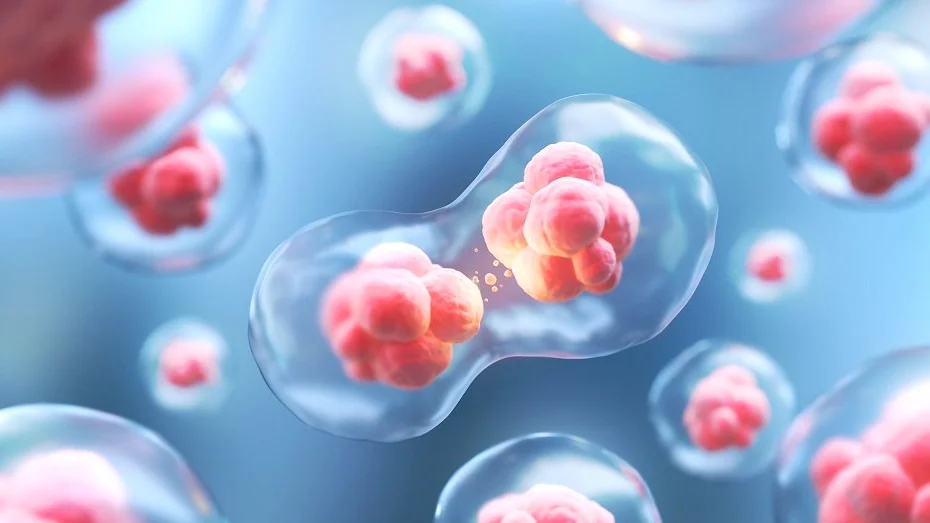
PGT-A (Preimplantation Genetic Testing for Aneuploidy) is an advanced genetic test performed during IVF before an embryo is placed inside the uterus.
The name may sound technical, but the idea is simple. Doctors check whether each embryo has the correct number of chromosomes before selecting it for pregnancy.
Chromosomes carry your baby’s genetic information. A healthy embryo normally has 46 chromosomes. Sometimes an embryo may have too many or too few chromosomes, a condition known as aneuploidy. Such embryos often fail to implant or may lead to miscarriage.
PGT-A identifies which embryos are chromosomally normal (called euploid embryos) and which are not. Only healthy embryos are recommended for transfer.
Many people still know this technology by its previous name, PGS (Preimplantation Genetic Screening). Today, the internationally accepted term is PGT-A.
By selecting the healthiest embryo first, PGT-A improves the chances of a successful pregnancy while reducing the likelihood of miscarriage and unsuccessful IVF cycles.
What is Family Balancing and How Does PGT-A Help?
Family balancing means choosing your baby’s gender during IVF to help complete your family after having children of the same gender.
Many Pakistani couples visit fertility clinics after having two or three sons and wishing for a daughter, or vice versa. Their goal is not simply gender preference—it is achieving a balanced family.
PGT-A makes this possible through modern science.
During IVF, several embryos may develop in the laboratory. Before any embryo is transferred, PGT-A checks its chromosomes. Along with confirming that an embryo is genetically healthy, the test also identifies its sex chromosomes.
XX chromosomes indicate a female embryo.
XY chromosomes indicate a male embryo.
After identifying healthy embryos, the couple and fertility specialist can discuss transferring the embryo that best meets both medical and family-balancing goals.
At AAS Fertility & IVF Center, the first priority is always the embryo’s health. Gender selection is considered only after confirming that an embryo is chromosomally normal.
This approach supports healthy pregnancies while helping couples complete their families responsibly and ethically.
Is Gender Selection Allowed in Islam and Pakistan?
This is one of the most sensitive questions Pakistani couples ask, and it deserves an honest and respectful answer.
Islamic scholars have expressed different opinions regarding gender selection. While viewpoints vary, many scholars agree that modern fertility treatments can be acceptable when they are carried out within clear ethical boundaries.
The Federal Shariat Court of Pakistan (2017) confirmed that IVF is permissible when the sperm and egg belong to a legally married husband and wife and the embryo is transferred into the wife’s uterus.
When it comes to family balancing, many scholars permit the procedure if it is performed responsibly and respectfully. An important ethical consideration is the treatment of embryos that are not selected.
At AAS Fertility & IVF Center, embryos of the non-selected gender are not destroyed.
Instead, they are safely preserved through [Link to /embryo-banking/] embryo banking, allowing couples to use them in future pregnancies if they wish.
This approach respects the value of every embryo while providing families with future reproductive choices.
Dr. Naila Jabeen carefully discusses these ethical and religious considerations during consultation so couples can make informed decisions that align with both their personal beliefs and medical needs.
Every family’s situation is unique, and respectful guidance remains an important part of treatment.
The PGT-A Process Step by Step at AAS Fertility Lahore
Step 1 — IVF Stimulation and Egg Collection
The journey begins with IVF treatment. Fertility medications gently stimulate the ovaries to produce several mature eggs instead of the single egg produced during a natural cycle.
Doctors monitor this process using blood tests and ultrasound scans. Once the eggs are ready, they are collected during a short procedure performed under light sedation for patient comfort.
Step 2 — Fertilisation in the Laboratory (IVF/ICSI)
The collected eggs are fertilised using the husband’s sperm inside the IVF laboratory.
If sperm quality is reduced, ICSImay be recommended. In this technique, an embryologist injects a single healthy sperm directly into each mature egg to improve fertilisation.
The fertilised eggs are then placed in carefully controlled laboratory incubators that closely mimic natural conditions.
Step 3 — Embryo Development (Day 5 Blastocyst)
Over the next five days, the embryos continue developing inside the laboratory.
Only embryos that grow well reach the blastocyst stage, which is considered the ideal stage for genetic testing.
By Day 5, the embryo has enough cells for a tiny sample to be safely removed without affecting its future development.
Step 4 — Embryo Biopsy for Genetic Testing
A highly experienced embryologist carefully removes a few cells from the outer layer of each blastocyst.
These cells naturally become part of the placenta rather than the baby itself, making the biopsy procedure safe when performed by trained specialists.
The samples are then sent to a specialised genetics laboratory where advanced testing evaluates all chromosomes.
The embryo itself is safely frozen while waiting for the results.
Step 5 — Results and Embryo Selection
The genetic report identifies which embryos are chromosomally normal and suitable for transfer.
The report also identifies whether each healthy embryo carries XX chromosomes (female) or XY chromosomes (male).
Dr. Naila Jabeen reviews these findings with the couple, explains every option clearly, and helps them choose the healthiest embryo while respecting their family-balancing goals.
Step 6 — Frozen Embryo Transfer (FET)
Once the healthiest embryo has been selected, it is thawed and transferred into the uterus during a simple, painless outpatient procedure.
Any remaining healthy embryos—including those of the non-selected gender—are preserved through embryo banking using modern vitrification technology.
This allows couples to return later if they wish to expand their family without repeating the entire IVF process.
Who is PGT-A Family Balancing Right For?
PGT-A family balancing is not only about choosing a baby’s gender—it is about improving the chances of a healthy pregnancy while meeting the unique needs of each family.
Couples Who Already Have Two or More Children of the Same Gender
Many Pakistani couples wish to complete their family after having two or more sons or daughters. PGT-A allows them to select a healthy embryo of their preferred gender while ensuring the embryo is chromosomally normal before transfer.
Couples with Recurrent Miscarriages
Repeated miscarriages are often caused by chromosomal abnormalities in embryos. PGT-A helps identify healthy embryos, reducing the risk of miscarriage and improving the likelihood of a successful pregnancy.
Women Over 35
As women grow older, the chances of embryos having chromosome abnormalities naturally increase. PGT-A helps identify the healthiest embryo, improving implantation rates and supporting a safer pregnancy.
Couples with Repeated IVF Failure
Sometimes IVF fails because embryos appear healthy but carry hidden chromosome abnormalities. PGT-A can identify these issues and improve the chances of success in future IVF cycles.
Couples with a Known Genetic Condition
Families with certain inherited genetic conditions may benefit from advanced genetic testing during IVF. During your consultation, Dr. Naila Jabeen will explain whether PGT-A or another genetic testing option is most suitable for your situation.
PGT-A and Healthy Baby — How It Reduces Risks
The greatest advantage of PGT-A is that it helps doctors choose the healthiest embryo before pregnancy begins.
Research has shown that chromosome abnormalities are one of the leading causes of failed IVF cycles and early miscarriage. By transferring only chromosomally normal embryos, PGT-A significantly improves the chances of implantation.
Studies have also shown that miscarriage rates may decrease by as much as 50% in selected patients, especially women over 35 and couples who have experienced repeated pregnancy loss.
Another benefit is reducing unnecessary IVF attempts. Instead of transferring embryos that are unlikely to develop successfully, doctors can focus on embryos with the highest potential.
Although PGT-A cannot guarantee pregnancy, it gives couples the best possible opportunity for a healthy pregnancy while reducing emotional stress caused by repeated unsuccessful IVF cycles.
What Happens to the Embryos of the Other Gender?
This is one of the most common questions asked by couples considering family balancing in Pakistan.
At AAS Fertility & IVF Center, every embryo is treated with respect and care, regardless of its gender.
Healthy embryos that are not selected for the current pregnancy are never discarded. Instead, they are preserved throughembryo banking using advanced vitrification technology.
These frozen embryos remain available if the couple wishes to have another child in the future.
This approach provides families with future reproductive options while respecting ethical and religious values that are important to many Pakistani couples.
Dr. Naila Jabeen discusses every available option during consultation so couples can make informed decisions with complete confidence.
PGT-A Success Rate and What to Expect
PGT-A improves IVF success because it helps identify embryos that are most likely to result in a healthy pregnancy.
When only chromosomally normal embryos are transferred, implantation rates are generally higher and miscarriage rates are lower.
Many international studies report pregnancy success rates of approximately 60–70% per embryo transfer with PGT-A-tested embryos compared to around 40–50% without PGT-A, although results vary depending on individual circumstances.
Age, ovarian reserve, sperm quality, embryo quality, and overall reproductive health all influence success.
It is important to remember that PGT-A is a powerful tool, but it does not guarantee pregnancy. Instead, it significantly increases the chances of achieving a healthy pregnancy while reducing avoidable risks.
Why Choose AAS Fertility & IVF Center for PGT-A in Lahore?
Choosing the right fertility clinic is just as important as choosing the right treatment.
At AAS Fertility & IVF Center, every treatment plan is personalised according to each couple’s medical history, fertility goals, and family planning needs.
Led by Dr. Naila Jabeen, one of Pakistan’s experienced IVF specialists, the clinic combines advanced reproductive technology with compassionate patient care.
Every embryo is handled using internationally accepted laboratory protocols, and couples receive honest guidance throughout the entire journey.
If you are considering family balancing or want to learn more about PGT-A, Book today and discuss your options with Dr. Naila Jabeen.
Frequently Asked Questions About PGT-A and Family Balancing in Pakistan
Q: What is PGT-A in IVF?
A: PGT-A is a genetic test performed on embryos during IVF to identify chromosomally healthy embryos before transfer. It also identifies the sex chromosomes, allowing family balancing where appropriate.
Q: Is gender selection through IVF allowed in Pakistan?
A: Family balancing is a sensitive topic. At AAS Fertility, it is offered with ethical counselling by Dr. Naila Jabeen. Healthy embryos that are not selected are frozen rather than discarded.
Q: Does PGT-A guarantee the gender of the baby?
A: Yes. PGT-A accurately identifies XX (female) and XY (male) chromosomes. When the selected embryo is transferred successfully, the baby’s gender is determined with very high accuracy.
Q: What happens to embryos of the non-selected gender?
A: At AAS Fertility, healthy embryos of the non-selected gender are preserved through vitrification and stored safely for possible future pregnancies.
Q: Does PGT-A increase IVF success rates?
A: Yes. Selecting chromosomally normal embryos improves implantation rates, lowers miscarriage risk, and increases the chances of a successful healthy pregnancy.
Q: How much does PGT-A cost in Lahore?
A: PGT-A involves additional laboratory costs beyond standard IVF. The total cost depends on the number of embryos tested. Dr. Naila Jabeen explains the complete cost during your consultation.
CONCLUSION
Choosing IVF is a deeply personal journey, and PGT-A gives Pakistani couples the opportunity to prioritise both their baby’s health and their family’s future. By selecting chromosomally healthy embryos before transfer, this advanced technology improves pregnancy outcomes while supporting family balancing in a safe and ethical way.
At AAS Fertility & IVF Center, Dr. Naila Jabeen combines modern reproductive medicine with compassionate care, helping every couple make informed decisions with confidence. If you are considering PGT-A or IVF, Contact AAS Fertility & IVF Center today on Jail Road, Lahore. and take the next step toward building the family you’ve always dreamed of.
PGT-A (Preimplantation Genetic Testing for Aneuploidy) helps couples undergoing IVF select chromosomally healthy embryos before pregnancy. It can also identify the embryo’s gender for family balancing when appropriate. At AAS Fertility & IVF Center, Lahore, Dr. Naila Jabeen provides PGT-A with advanced laboratory technology, ethical guidance, and compassionate care. Healthy embryos that are not selected are safely preserved through embryo banking rather than discarded, making PGT-A one of the most advanced and responsible fertility treatments available in Pakistan today.
IVF Cost in Lahore 2026 — Complete Price Guide Pakistan
Many couples begin their fertility journey with one important question: How much does IVF cost in Pakistan? Understanding the IVF cost in Lahore helps families plan both emotionally and financially before starting treatment. To make this process easier, Dr. Naila Jabeen, IVF Specialist at AAS Fertility & IVF Center, Chohan Tower, 16 Jail Road, Shadman II, Lahore, has explained IVF pricing transparently in her YouTube video and through this comprehensive guide. Here, you’ll learn IVF cost Pakistan 2026, what is included, additional expenses to consider, and the factors that influence treatment costs so you can make an informed decision with confidence.
Video Explanation by Dr. Naila Jabeen
What is the IVF Cost in Lahore, Pakistan in 2026?
The average IVF cost in Lahore at AAS Fertility & IVF Center ranges between PKR 900,000 and PKR 950,000 for one complete IVF cycle.
This price reflects the standard cost of a complete IVF treatment cycle performed under the supervision of experienced fertility specialists using advanced laboratory technology. The package is designed to cover the essential clinical procedures required to achieve pregnancy while maintaining high standards of patient care.
However, every fertility journey is different. Your final treatment cost may vary depending on your age, hormone levels, ovarian reserve, fertility diagnosis, and whether additional procedures such as ICSI treatment, embryo freezing, or genetic testing are recommended.
At AAS Fertility & IVF Center, transparency is a core value. Patients receive a detailed explanation of every cost before treatment begins, allowing them to plan without worrying about hidden charges or unexpected expenses. This honest approach has made AAS Fertility one of the most trusted fertility centers in Pakistan.
What is Included in the IVF Cost at AAS Fertility Lahore?
The standard IVF package at AAS Fertility includes all the major procedures required for one complete IVF treatment cycle.
Initial Fertility Consultation
Your IVF journey begins with a detailed consultation with Dr. Naila Jabeen. During this appointment, your medical history, previous treatments, lifestyle, and fertility concerns are carefully reviewed. The doctor explains the IVF process and recommends the most suitable treatment plan based on your individual condition.
Hormone Blood Tests and Fertility Investigations
Several blood tests are performed to assess hormone levels and evaluate reproductive health. These investigations may include AMH, FSH, LH, thyroid function, and other fertility-related tests. Male fertility investigations may also be advised when necessary.
Ovarian Stimulation Monitoring (Ultrasounds)
During IVF treatment, the ovaries are stimulated to produce multiple mature eggs. Regular ultrasound scans allow fertility specialists to monitor follicle growth and determine the best time for egg retrieval. This careful monitoring helps improve treatment safety and success.
Egg Retrieval Procedure
Egg retrieval is a short, minimally invasive procedure performed under light anesthesia. Using ultrasound guidance, mature eggs are gently collected from the ovaries. Most patients return home the same day and resume normal activities shortly afterward.
Laboratory Fertilisation
After egg retrieval, the eggs and sperm are carefully prepared in the embryology laboratory. Fertilisation takes place under controlled laboratory conditions using conventional IVF or ICSI treatment, depending on the couple’s fertility diagnosis. The laboratory follows strict quality standards to support healthy embryo development.
Embryo Development Monitoring
Following fertilisation, embryologists observe embryo growth over several days. Each embryo is carefully evaluated based on its development and quality. Continuous monitoring helps identify the healthiest embryo for transfer while maintaining optimal laboratory conditions throughout the process.
Embryo Transfer
Once the embryo reaches the appropriate stage of development, it is gently transferred into the uterus using a soft, thin catheter. This procedure is quick, generally painless, and does not require surgery. Patients are usually able to return home shortly afterward.
Luteal Phase Support Medications
After embryo transfer, hormone medications are prescribed to support the uterine lining and improve the chances of successful implantation. These medications are an important part of the IVF process and are taken according to your specialist’s instructions.
Pregnancy Test
Approximately 10 to 14 days after embryo transfer, a blood pregnancy test is performed to determine whether implantation has been successful. This test provides the most accurate confirmation of pregnancy following IVF treatment.
What is NOT Included — Additional Costs to Know About
Although the standard IVF package covers the main treatment procedures, certain services may involve additional costs depending on your individual medical needs.
One of the most common additional expenses is fertility medication. Hormonal injections used during ovarian stimulation typically cost between PKR 50,000 and PKR 150,000, depending on how your ovaries respond to treatment. Women with lower ovarian reserve or low AMH levels may require higher medication doses.
If male infertility is diagnosed, your fertility specialist may recommend ICSI (Intracytoplasmic Sperm Injection). Since ICSI requires specialised laboratory techniques, it carries an additional procedure fee.
Some couples may also benefit from PGT-A (Preimplantation Genetic Testing for Aneuploidy), which screens embryos for chromosomal abnormalities before transfer. While this test is optional, it may be recommended in selected cases, particularly for women of advanced maternal age or couples with recurrent pregnancy loss.
Additional costs may also include embryo freezing and annual storage fees if extra healthy embryos are preserved for future use. Furthermore, if pregnancy is not achieved after the first attempt, additional IVF cycles may be required.
At AAS Fertility & IVF Center, every potential cost is discussed openly before treatment begins, ensuring patients understand exactly what to expect throughout their fertility journey.
What Factors Affect IVF Cost in Pakistan?
Several medical and treatment-related factors influence the overall IVF treatment cost in Lahore.
Age
As women get older, fertility naturally declines. Older patients often require higher medication doses and closer monitoring during IVF treatment, which can increase the overall treatment cost.
AMH Levels
Anti-Müllerian Hormone (AMH) measures ovarian reserve. Women with low AMH levels may require personalised stimulation protocols and additional medications to improve egg development.
Number of Eggs Retrieved
Every patient responds differently to ovarian stimulation. Some women produce more eggs than others, requiring different medication protocols and laboratory resources throughout treatment.
Need for ICSI Treatment
If sperm count, movement, or quality is reduced, doctors may recommend ICSI treatment instead of conventional IVF. Because ICSI involves specialised laboratory procedures, it adds to the total treatment cost.
Additional Laboratory Procedures
Some patients require advanced laboratory services such as embryo freezing, blastocyst culture, assisted hatching, or PGT-A genetic testing. These optional procedures are only recommended when they may improve treatment outcomes.
Number of IVF Cycles Required
While many couples achieve pregnancy during their first IVF cycle, others may require two or more treatment cycles depending on age, fertility diagnosis, embryo quality, and overall reproductive health. Each additional cycle involves its own treatment costs.
Rather than focusing solely on the lowest price, couples should also consider laboratory quality, specialist experience, personalised treatment planning, and success rates when choosing an IVF center. High-quality care often provides better value in the long term.
IVF Cost vs ICSI Cost — What is the Difference?
Although IVF and ICSI are closely related fertility treatments, they are not exactly the same, and their costs can differ depending on your fertility diagnosis.
The standard IVF cost in Lahore at AAS Fertility & IVF Center ranges between PKR 900,000 and PKR 950,000 for one complete treatment cycle. During conventional IVF, eggs and sperm are placed together in a specialised laboratory dish, allowing fertilisation to occur naturally.
ICSI (Intracytoplasmic Sperm Injection) is a more advanced laboratory technique used when male infertility is present. Instead of allowing fertilisation naturally, an experienced embryologist carefully injects a single healthy sperm directly into each mature egg using specialised microscopic equipment.
Because ICSI requires additional laboratory expertise and equipment, it involves an extra procedure fee beyond the standard IVF package. However, for couples experiencing low sperm count, poor sperm movement, or abnormal sperm shape, ICSI can significantly improve fertilisation rates.
At AAS Fertility & IVF Center, both IVF treatment and ICSI treatmentare available under one roof. After reviewing your fertility investigations, Dr. Naila Jabeen will recommend the most appropriate treatment option for your specific condition.
Is IVF Affordable in Pakistan? How Does AAS Fertility Help?
While IVF is a significant financial commitment, many couples see it as an investment in building their family and fulfilling their dream of becoming parents.
Although fertility treatment requires careful planning, choosing the right clinic is just as important as considering the cost. A lower price does not always guarantee high-quality care, experienced specialists, or advanced laboratory standards.
At AAS Fertility & IVF Center, patients receive transparent pricing with no hidden charges. Before treatment begins, every step of the IVF process and every expected expense is explained clearly, allowing couples to make informed decisions with confidence.
To help patients begin their fertility journey without hesitation, Dr. Naila Jabeen also offers a free initial consultation, where couples can discuss their concerns, understand available treatment options, and receive personalised guidance based on their medical history.
The clinic believes that every patient deserves honest information, compassionate care, and access to advanced fertility treatment. By combining experienced specialists, modern laboratory technology, and ethical medical practices, AAS Fertility provides excellent value while maintaining high standards of reproductive care.
If you are considering IVF, planning your finances in advance and discussing your treatment options with a fertility specialist can make the journey much less stressful.
Watch Dr. Naila Jabeen Explain IVF Cost in Detail
Dr. Naila Jabeen has recorded a dedicated YouTube video to answer one of the most common questions asked by couples: “How much does IVF cost in Pakistan?”
In this video, she explains IVF pricing in simple language, discusses what is included in the treatment package, highlights additional costs that patients should be aware of, and shares why transparent pricing is important when choosing a fertility clinic.
Watching the video alongside this guide will help you understand the IVF process, treatment costs, and financial planning before beginning your fertility journey.
Why Choose AAS Fertility & IVF Center for IVF in Lahore?
Choosing the right fertility clinic is just as important as choosing the right treatment.
Located at Chohan Tower, 16 Jail Road, Shadman II, Lahore, AAS Fertility & IVF Center has earned the trust of couples across Pakistan through ethical medical practice, advanced reproductive technology, and compassionate patient care.
Led by Dr. Naila Jabeen one of Pakistan’s experienced IVF specialists, the clinic provides personalised treatment plans designed around each patient’s medical history, fertility diagnosis, and reproductive goals.
Patients have access to a complete range of fertility services under one roof, including:
Unlike many fertility centers, AAS Fertility believes in complete transparency. Every treatment plan is explained in detail, costs are discussed openly before treatment begins, and patients receive continuous support throughout their fertility journey.
With advanced laboratory facilities, experienced embryologists, and patient-centred care, AAS Fertility continues to be recognised as one of the best IVF & IUI centers in Pakistan.
Book your free consultation with Dr. Naila Jabeen today.
Frequently Asked Questions About IVF Cost in Lahore, Pakistan
Q: How much does IVF cost in Lahore, Pakistan in 2026?
A: At AAS Fertility & IVF Center, IVF treatment costs approximately PKR 900,000 to PKR 950,000 per cycle. Dr. Naila Jabeen provides personalised treatment plans based on each patient’s fertility condition.
Q: What is included in the IVF cost at AAS Fertility?
A: The standard IVF package includes consultation, fertility investigations, ultrasound monitoring, egg retrieval, laboratory fertilisation, embryo development, embryo transfer, luteal support, and the pregnancy test.
Q: Are fertility medications included in the IVF cost?
A: Fertility medications are generally charged separately because every patient requires a different dosage. Medication costs usually range between PKR 50,000 and PKR 150,000, depending on ovarian response.
Q: Is ICSI more expensive than IVF in Pakistan?
A: Yes. ICSI involves an additional laboratory procedure performed by an embryologist. It is recommended for couples experiencing male infertility, low sperm count, or poor sperm quality.
Q: How many IVF cycles do most couples need in Pakistan?
A: Many couples achieve pregnancy during their first IVF cycle, while others may require two or three cycles. Success depends on age, egg quality, embryo quality, and the underlying fertility condition.
Q: Does AAS Fertility offer a free consultation?
A: Yes. AAS Fertility & IVF Center offers a free initial consultation with Dr. Naila Jabeen. To schedule an appointment, call +92 311 1100251 or visit the clinic on Jail Road, Lahore.
Q: Why does IVF cost vary between clinics in Pakistan?
A: IVF costs vary because of differences in laboratory technology, specialist experience, medication protocols, included services, and treatment quality. Choosing an experienced fertility center often improves both safety and success rates.
Conclusion
IVF treatment is more than a medical procedure—it is an investment in your future family. Understanding the IVF cost in Lahore allows couples to prepare financially while choosing a fertility center that values transparency, quality, and compassionate care. At AAS Fertility & IVF Center, patients receive personalised treatment, honest pricing, and expert guidance from Dr. Naila Jabeen throughout every stage of their fertility journey. With advanced technology and a patient-first approach, the clinic is committed to helping couples move forward with confidence and hope.
In Summary
The average IVF cost in Lahore at AAS Fertility & IVF Center ranges from PKR 900,000 to PKR 950,000 per cycle. The package includes consultation, fertility investigations, egg retrieval, laboratory fertilisation, embryo transfer, and pregnancy testing, while medications, ICSI, and advanced procedures may involve additional costs. Led by Dr. Naila Jabeen, AAS Fertility provides transparent pricing, personalised fertility care, and advanced IVF services for couples across Pakistan.
Contact AAS Fertility & IVF Center—the best IVF & IUI center in Pakistan—today.
What Is Fertility Window? Complete Guide to Your Most Fertile Days
Trying to conceive can be both exciting and emotional, especially when pregnancy does not happen as quickly as expected. Many couples across Pakistan are surprised to learn that a woman is naturally fertile for only a few days during each menstrual cycle. Understanding these fertile days, known as the fertility window, can significantly improve the chances of getting pregnant naturally.
If you have been wondering what is fertility window, when ovulation happens, or how to identify your most fertile days, this guide will answer your questions in simple language. At AAS Fertility & IVF Center, the best fertility center in Lahore, Dr. Naila Jabeen helps couples understand their fertility and provides personalized treatment plans for those facing conception challenges.
What Is the Fertility Window?
The fertility window is the short period during a woman’s menstrual cycle when pregnancy is most likely to occur.
Many people believe pregnancy can happen at any time during the month. However, this is a common misconception. A woman can only conceive during a limited number of days in each menstrual cycle.
The fertility window usually includes the five days before ovulation, the day of ovulation, and sometimes the following 24 hours after the egg is released. This gives approximately six fertile days in total.
The reason for this timing is simple. Sperm can survive inside the female reproductive tract for up to five days under healthy conditions, while the egg remains alive for only about 12 to 24 hours after ovulation. Therefore, if sperm are already present when the egg is released, fertilization is much more likely.
Understanding your fertility window helps couples plan intercourse during the days when the chances of pregnancy are highest. Consequently, many couples conceive naturally simply by identifying the right timing.
For women with irregular cycles or fertility concerns, identifying the fertility window may require additional guidance from a fertility specialist.
What Is Ovulation and Why Is It Important?
Ovulation is the process in which one of the ovaries releases a mature egg that is ready for fertilization.
Each month, hormones prepare several follicles inside the ovaries. Usually, only one follicle becomes fully mature and releases an egg. The egg then enters the fallopian tube, where it waits to meet sperm.
If fertilization occurs, pregnancy begins. Otherwise, the egg naturally dissolves, and menstruation starts about two weeks later.
In a regular 28-day menstrual cycle, ovulation often occurs around Day 14. However, not every woman has a 28-day cycle. Some women ovulate earlier, while others ovulate later. In fact, ovulation can even vary from month to month due to stress, illness, travel, weight changes, or hormonal conditions.
Because ovulation determines when the egg is available, it also determines the fertility window. Missing ovulation by only one or two days can significantly reduce the chance of conception during that cycle.
Therefore, understanding ovulation is one of the most important steps for couples trying to conceive naturally.
Why Is the Fertility Window So Important?
Knowing your fertility window allows you to focus on the days when pregnancy is most likely to happen.
Many couples have regular intercourse throughout the month without realizing that timing plays a major role in conception. Since the egg survives for only about one day, having intercourse outside the fertile window greatly reduces the chances of pregnancy.
Tracking fertile days offers several important benefits:
It increases the likelihood of natural conception.
It helps couples understand their menstrual cycle better.
It reduces unnecessary stress caused by guessing ovulation dates.
It supports fertility treatments such as IVF treatment and IUI treatment by improving cycle monitoring.
It helps doctors evaluate whether ovulation is occurring normally.
Furthermore, understanding your fertility window can help identify potential fertility problems early. For example, if you consistently fail to detect ovulation or have highly irregular cycles, it may indicate conditions such as PCOS, thyroid disorders, or hormone imbalances that require medical attention.
At AAS Fertility & IVF Center, specialists use advanced fertility assessments to help women accurately identify ovulation and improve their chances of pregnancy.
When Is Your Fertility Window?
The timing of your fertility window depends on the length of your menstrual cycle rather than the calendar date.
Every woman’s cycle is different. While many women have a 28-day cycle, others may have shorter or longer cycles. As a result, ovulation and the fertile window also vary.
The table below provides a general guide.
Menstrual Cycle Length
Estimated Ovulation Day
Estimated Fertility Window
21 Days
Day 7
Days 2–7
24 Days
Day 10
Days 5–10
28 Days
Day 14
Days 9–14
30 Days
Day 16
Days 11–16
32 Days
Day 18
Days 13–18
35 Days
Day 21
Days 16–21
These dates are only estimates. Many factors can influence ovulation, including:
Emotional stress
Poor sleep
Rapid weight changes
PCOS
Thyroid disorders
Certain medications
Intense physical exercise
Therefore, women should avoid relying only on calendar calculations. Instead, combining several ovulation tracking methods usually provides much better accuracy.
How Can You Tell That You Are in Your Fertility Window?
Your body often provides natural signs that ovulation is approaching. Learning to recognize these signs can help you identify your most fertile days more accurately.
Cervical Mucus Changes
One of the earliest signs is a change in cervical mucus. As ovulation approaches, the mucus becomes clear, slippery, and stretchy, similar to raw egg white. This environment helps sperm travel more easily toward the egg.
Mild Pelvic Pain
Some women experience a mild pain or slight cramp on one side of the lower abdomen during ovulation. This is known as Mittelschmerz or ovulation pain. Although not every woman notices it, it can be a useful indicator.
Increase in Sexual Desire
Hormonal changes often increase libido during the fertile window. This natural response helps improve the chances of conception.
Breast Tenderness
Hormonal fluctuations before and after ovulation may cause the breasts to feel swollen or tender. While this symptom alone does not confirm ovulation, it often occurs alongside other fertility signs.
Slight Rise in Basal Body Temperature
Basal Body Temperature (BBT) refers to your body’s temperature immediately after waking up.
After ovulation, progesterone causes the body’s resting temperature to increase slightly by approximately 0.3°C to 0.5°C. Recording this temperature every morning over several months can help identify ovulation patterns.
Positive Ovulation Test Kit
Ovulation predictor kits detect the surge of Luteinizing Hormone (LH) in urine.
An LH surge usually occurs about 24 to 36 hours before ovulation, making these kits one of the most reliable home methods for predicting fertile days.
Women who have irregular menstrual cycles often benefit from combining ovulation tests with ultrasound monitoring for greater accuracy.
How Can You Calculate Your Fertility Window?
Calculating your fertility window can help improve your chances of getting pregnant by identifying the days when conception is most likely.
Although no single method is 100% accurate for every woman, combining different tracking techniques provides the most reliable results. Women with regular menstrual cycles often find it easier to predict ovulation, while those with irregular periods may need additional monitoring.
Calendar Method
The calendar method estimates ovulation based on the length of your menstrual cycle. For a regular 28-day cycle, ovulation usually occurs around Day 14. However, this method works best when your cycle is consistent every month.
Basal Body Temperature (BBT)
Recording your basal body temperature every morning before getting out of bed can help identify ovulation patterns. A slight increase in temperature usually occurs after ovulation because of rising progesterone levels. Although BBT confirms that ovulation has already happened, tracking it over several months helps predict future cycles more accurately.
Ovulation Predictor Kits (OPKs)
Ovulation test kits detect the surge of luteinizing hormone (LH), which usually occurs 24 to 36 hours before ovulation. These kits are easy to use and are one of the most accurate home methods for identifying fertile days.
Monitoring Cervical Mucus
Healthy cervical mucus becomes clear, slippery, and stretchy during the fertile window. This change creates an ideal environment for sperm to survive and move toward the egg.
Ultrasound Follicle Monitoring
For women receiving fertility treatment or experiencing irregular cycles, ultrasound monitoring offers the most accurate way to identify ovulation. At AAS Fertility & IVF Center, specialists carefully monitor follicle growth to determine the best time for natural conception, IUI treatment, or IVF treatment.
Can You Get Pregnant Outside the Fertility Window?
Pregnancy outside the fertility window is highly unlikely because an egg survives for only a short period after ovulation.
The egg remains capable of fertilization for approximately 12 to 24 hours after it is released. After that time, it naturally breaks down if fertilization has not occurred.
Similarly, sperm can survive inside the female reproductive tract for up to five days under favorable conditions. Therefore, pregnancy usually occurs only if intercourse takes place during the five days before ovulation or on the day of ovulation itself.
Some women believe they conceived outside their fertile window. However, in most cases, ovulation occurred earlier or later than expected due to natural cycle variations.
Because menstrual cycles are not always perfectly regular, accurately identifying ovulation is much more helpful than simply counting calendar days.
What Can Affect Your Fertility Window?
Several physical, hormonal, and lifestyle factors can influence ovulation and change the timing of your fertility window.
Polycystic Ovary Syndrome (PCOS)
PCOS is one of the most common causes of irregular ovulation. Women with PCOS may skip ovulation entirely in some cycles, making pregnancy more difficult without treatment.
Stress
Long-term emotional stress can interfere with hormone production and delay ovulation. Managing stress through healthy lifestyle habits may help regulate menstrual cycles.
Thyroid Disorders
Both an overactive and underactive thyroid can affect hormone balance and disrupt ovulation.
Body Weight
Being significantly underweight or overweight may affect estrogen production, leading to irregular menstrual cycles and unpredictable ovulation.
Smoking
Smoking damages reproductive health in both men and women. It can reduce egg quality, affect ovarian reserve, and lower the chances of natural conception.
Poor Sleep
Sleep plays an important role in regulating reproductive hormones. Consistently poor sleep may contribute to irregular cycles over time.
Age
As women grow older, both the number and quality of eggs naturally decline. Fertility gradually decreases after the age of 35, making timely evaluation increasingly important.
What If You Have Irregular Periods?
Irregular periods can make it difficult to predict your fertility window, but pregnancy is still possible with the right evaluation and treatment.
Women with irregular cycles often ovulate unpredictably, making it challenging to identify fertile days using a calendar alone.
Common causes include:
PCOS
Thyroid disorders
Hormonal imbalance
Premature ovarian insufficiency
Excessive exercise
Obesity
Stress
Fortunately, modern fertility testing can accurately determine whether ovulation is occurring.
At AAS Fertility & IVF Center, Dr. Naila Jabeen may recommend:
AMH (Anti-Müllerian Hormone) blood test
Antral Follicle Count (AFC) ultrasound
Hormonal blood tests
Ovulation monitoring
Comprehensive fertility assessment
These investigations help identify the underlying cause and allow doctors to create a personalized treatment plan that improves the chances of pregnancy.
When Should You See a Fertility Specialist?
Knowing your fertility window is helpful, but professional guidance becomes important when pregnancy does not happen despite proper timing.
You should consider visiting a fertility specialist if:
You are under 35 and have been trying to conceive for more than 12 months.
You are over 35 and have been trying for more than six months.
Your menstrual cycles are irregular or absent.
You have been diagnosed with PCOS or endometriosis.
You have experienced multiple miscarriages.
Your partner has known male fertility concerns.
You have undergone previous fertility treatments without success.
Early evaluation often identifies treatable conditions before they become more serious. Therefore, seeking medical advice sooner rather than later can improve treatment outcomes.
Why Choose AAS Fertility & IVF Center in Lahore?
Choosing the right fertility clinic can make a significant difference in your fertility journey.
AAS Fertility & IVF Center is recognized as one of the best fertility centers in Lahore, providing advanced reproductive care with honesty, compassion, and evidence-based treatment.
Under the leadership of Dr. Naila Jabeen, patients receive personalized fertility evaluations and treatment plans based on their unique medical history and reproductive goals.
Located at Chohan Tower, 16 Jail Road, Shadman II, Lahore, the center offers comprehensive fertility services, including:
Whether you are trying to conceive naturally or considering assisted reproductive treatment, the experienced team at AAS Fertility & IVF Center is committed to supporting you at every stage of your journey.
Book a free consultation today and take the first step toward parenthood with expert guidance and compassionate care.
Frequently Asked Questions About the Fertility Window
Q: What is the fertility window?
A: The fertility window is the six-day period during a woman’s menstrual cycle when pregnancy is most likely. It includes the five days before ovulation and the day of ovulation.
Q: How many fertile days does a woman have each month?
A: Most women have approximately six fertile days during each menstrual cycle, although the exact timing depends on when ovulation occurs.
Q: Can I get pregnant five days before ovulation?
A: Yes. Because sperm can survive for up to five days inside the reproductive tract, intercourse during this time may still result in pregnancy.
Q: How do I know if I am ovulating?
A: Signs of ovulation include clear stretchy cervical mucus, mild pelvic pain, a positive ovulation test, increased sexual desire, and a slight rise in basal body temperature.
Q: Can irregular periods affect my fertility window?
A: Yes. Irregular cycles often make ovulation unpredictable, making it harder to identify fertile days. A fertility assessment can help determine your ovulation pattern.
Q: When should I visit a fertility specialist?
A: If you are under 35 and have tried for one year without pregnancy, or over 35 and have tried for six months, you should consult a fertility specialist.
Conclusion
Understanding what the fertility window is can significantly improve your chances of conceiving naturally. Since pregnancy is possible only during a few days of each menstrual cycle, recognizing ovulation signs and tracking your fertile days can help you plan more effectively. However, if pregnancy does not occur despite proper timing, professional evaluation can identify underlying fertility issues and provide the right treatment.
At AAS Fertility & IVF Center, Dr. Naila Jabeen and her experienced team offer personalized fertility assessments, advanced diagnostic services, and evidence-based treatments to help couples achieve their dream of parenthood. Whether you are planning your first pregnancy or facing fertility challenges, expert guidance can make all the difference.
Getting Pregnant After 35 in Pakistan: What Every Woman Needs to Know About Fertility
Starting a family after the age of 35 is becoming increasingly common in Pakistan. Many women focus on their education, careers, or personal goals before planning a pregnancy. However, once they decide to have a baby, they often worry that they may have waited too long. The good news is that getting pregnant after 35 in Pakistan is absolutely possible. While fertility naturally changes with age, many women conceive naturally or with fertility treatment. At AAS Fertility & IVF Center, located at Chohan Tower, 16 Jail Road, Shadman II, Lahore, Dr. Naila Jabeen, IVF Specialist, provides personalized fertility care to help women achieve healthy pregnancies with confidence and hope.
Does Fertility Really Decline After 35?
Yes, fertility gradually declines after 35, but it does not suddenly stop, and pregnancy is still very achievable.
Every woman is born with a fixed number of eggs. Unlike men, women do not produce new eggs throughout life. As women age, both the number and quality of their eggs naturally decrease.
During the twenties and early thirties, fertility is generally at its highest. Around the age of 35, this natural decline becomes slightly faster. However, this does not mean that pregnancy is no longer possible.
Research shows that women under the age of 35 have approximately a 25–30% chance of becoming pregnant during each menstrual cycle. For women between 35 and 40 years, the chance naturally decreases to around 15–20% per cycle. Although these numbers are lower, they still represent a meaningful chance of natural conception.
The biggest reason for this decline is that fewer healthy eggs remain in the ovaries. At the same time, the likelihood of chromosomal changes in eggs slowly increases with age.
Fortunately, today’s fertility treatments have made pregnancy after 35 more successful than ever before. Early fertility evaluation, healthy lifestyle choices, and personalized treatment can significantly improve your chances of becoming pregnant.
The most important message to remember is simple:
A decline in fertility does not mean the end of your journey to motherhood.
What Changes in Your Body After 35 That Affects Fertility?
Several natural changes occur after the age of 35, but understanding them allows doctors to create the right fertility plan for you.
Egg Quality Declines
Egg quality naturally changes as women grow older. Healthy eggs are more likely to fertilize successfully and develop into healthy embryos. Although egg quality gradually decreases after 35, many women still produce healthy eggs capable of resulting in a successful pregnancy.
Ovarian Reserve Reduces
Ovarian reserve refers to the number of eggs remaining in the ovaries. As age increases, ovarian reserve naturally decreases. A simple AMH (Anti-Müllerian Hormone) blood test helps estimate ovarian reserve and is available throughout Pakistan, including at AAS Fertility & IVF Center in Lahore.
Risk of Chromosomal Issues Increases Slightly
As eggs age, the likelihood of chromosomal abnormalities increases gradually. Chromosomes carry genetic information that helps babies develop normally. Modern fertility treatments, including PGT-A (Preimplantation Genetic Testing for Aneuploidy), can help identify healthy embryos during IVF treatment when appropriate.
Miscarriage Risk Increases
The chance of miscarriage also increases slightly after 35 because chromosomal abnormalities become more common with age. However, many women experience completely healthy pregnancies in their late thirties and early forties with proper prenatal care and fertility support.
Regular fertility assessment allows specialists to identify these factors early and recommend the most suitable treatment.
How to Check Your Fertility After 35 in Lahore, Pakistan
A complete fertility assessment provides a clear picture of your reproductive health and helps identify the best path toward pregnancy.
If you are over 35 and planning a pregnancy, early fertility testing is highly recommended. Rather than relying on age alone, fertility specialists evaluate several important factors together.
The assessment usually includes:
AMH Blood Test: Measures ovarian reserve by estimating the number of eggs remaining in the ovaries.
Antral Follicle Count (AFC): A transvaginal ultrasound that counts small follicles in the ovaries.
Estradiol Blood Test: Evaluates hormone balance and ovarian activity.
The AMH test cost in Pakistan generally ranges from PKR 4,000 to PKR 8,000, depending on the laboratory.
At AAS Fertility & IVF Center, located on Jail Road, Lahore, Dr. Naila Jabeen combines these investigations with your medical history, menstrual cycle, lifestyle, and reproductive goals to create a personalized fertility plan.
If you are concerned about your fertility, scheduling an early consultation with Dr. Naila Jabeen can provide valuable answers and peace of mind.
Can You Get Pregnant Naturally After 35 in Pakistan?
Yes, many women in Pakistan conceive naturally after the age of 35 and go on to have healthy pregnancies.
Age is only one factor that influences fertility. Your overall health, hormone balance, ovarian reserve, lifestyle, and your partner’s fertility all play important roles.
If your menstrual cycles are regular and there are no underlying fertility problems, natural conception is still very possible during your late thirties.
You can improve your chances by:
Tracking ovulation to identify your fertile window.
Maintaining a healthy body weight.
Eating a balanced, nutrient-rich diet.
Taking folic acid before pregnancy.
Exercising regularly without overtraining.
Managing stress and getting enough sleep.
Because fertility naturally declines with age, doctors recommend seeking medical advice after six months of trying if you are over 35. Waiting for a full year may reduce valuable treatment time.
Early evaluation allows fertility specialists to identify any hidden issues, recommend appropriate treatment, and improve your chances of pregnancy.
If natural conception becomes difficult, advanced treatments such as IVF treatment and IUI treatment can provide additional opportunities for success.
Fertility Treatments Available for Women Over 35 in Lahore
Modern fertility treatments offer hope for many women over 35 by addressing age-related fertility challenges with personalized care.
IUI Treatment — First Line Option
For women with mild fertility concerns, IUI (Intrauterine Insemination) may be recommended as an initial treatment. During IUI, specially prepared sperm is placed directly into the uterus around the time of ovulation, increasing the chances of fertilization. This treatment is available at AAS Fertility & IVF Center and may be suitable for selected patients after a thorough fertility assessment.
IVF Treatment — Most Effective Option After 35
IVF (In Vitro Fertilization) is often the most effective fertility treatment for women over 35, especially when ovarian reserve is reduced or other fertility issues are present. Eggs are collected from the ovaries, fertilized with sperm in a specialized laboratory, and the healthiest embryo is transferred into the uterus. Personalized IVF protocols help improve treatment outcomes while considering each woman’s age and fertility profile.
IVF with PGT-A Genetic Testing — Reduces Miscarriage Risk
For some women, PGT-A (Preimplantation Genetic Testing for Aneuploidy) may be recommended during IVF. This advanced test checks embryos for the correct number of chromosomes before transfer, helping identify embryos with the best chance of implantation and reducing the risk of miscarriage related to chromosomal abnormalities.
Egg Freezing — For Women Not Ready Yet
Women who wish to delay pregnancy for personal or medical reasons may consider egg freezing. Healthy eggs are collected and frozen for future use, preserving fertility while women focus on other life goals. This option provides greater flexibility for family planning and is available at AAS Fertility & IVF Center.
IVF Success Rate After 35 in Pakistan — What to Expect
Although age influences IVF success, many women over 35 achieve successful pregnancies with personalized treatment and expert fertility care.
One of the most common concerns among women considering IVF is whether age will significantly reduce their chances of success. While fertility naturally changes over time, modern IVF techniques continue to help thousands of women become mothers after the age of 35.
Generally, IVF success rates vary depending on age, egg quality, overall reproductive health, and the experience of the fertility clinic.
The average IVF success rates are:
Women aged 35–37 years: approximately 30–40% per treatment cycle
Women aged 38–40 years: approximately 20–30% per treatment cycle
Women over 40 years: approximately 10–15% per treatment cycle
These figures are general estimates and every patient is unique.
Several factors can improve IVF outcomes, including healthy egg quality, a receptive uterus, good embryo quality, and treatment by an experienced fertility specialist. Advanced technologies such as PGT-A (Preimplantation Genetic Testing for Aneuploidy) can also help identify chromosomally healthy embryos, increasing the likelihood of implantation while reducing the risk of miscarriage in selected patients.
At AAS Fertility & IVF Center, Dr. Naila Jabeen develops personalized IVF protocols for women over 35, ensuring treatment is tailored according to ovarian reserve, hormone levels, medical history, and fertility goals. This individualized approach helps maximize every patient’s chance of success.
Lifestyle Tips to Boost Fertility After 35 in Pakistan
Healthy daily habits cannot stop the natural ageing process, but they can improve your reproductive health and prepare your body for pregnancy.
Start Prenatal Vitamins
Begin taking prenatal vitamins before trying to conceive. Folic acid supports healthy fetal development, while Vitamin D plays an important role in hormone balance and reproductive health.
Eat Fertility-Friendly Foods
Choose a balanced diet rich in leafy green vegetables, berries, citrus fruits, nuts, seeds, fish, eggs, legumes, and whole grains. These foods provide antioxidants that help protect eggs from oxidative stress.
Avoid Smoking
Smoking accelerates the decline in egg quality and ovarian reserve. Quitting smoking is one of the most beneficial lifestyle changes for women planning pregnancy.
Reduce Chai and Caffeine
Tea and coffee can be enjoyed in moderation, but excessive caffeine intake should be avoided. Limiting caffeine supports overall reproductive health and healthy pregnancy planning.
Exercise Regularly
Moderate physical activity such as walking, yoga, swimming, or cycling helps maintain a healthy weight and supports hormone balance. However, excessive exercise may negatively affect ovulation in some women.
Manage Stress
Long-term stress increases cortisol levels, which can interfere with reproductive hormones. Relaxation techniques, hobbies, family support, and mindfulness can help improve emotional well-being during your fertility journey.
Get Enough Sleep
Aim for 7–8 hours of quality sleep each night. Many reproductive hormones are regulated while you sleep, making good sleep an important part of fertility care.
Small lifestyle improvements may not reverse age-related fertility changes, but they can create the healthiest possible environment for conception and fertility treatment.
Why Choose AAS Fertility & IVF Center for Fertility Treatment After 35 in Lahore?
Choosing the right fertility clinic is one of the most important decisions for women trying to conceive after 35.
At AAS Fertility & IVF Center, women receive compassionate, evidence-based fertility care tailored to their individual needs. Led by Dr. Naila Jabeen, an experienced IVF Specialist, the clinic combines advanced reproductive technology with personalized treatment plans designed specifically for women over 35.
Conveniently located at Chohan Tower, 16 Jail Road, Shadman II, Lahore, AAS Fertility has earned the trust of couples across Pakistan through ethical medical practices, transparent communication, and patient-centered care.
The center offers a comprehensive range of fertility services, including:
Every treatment plan is carefully personalized according to the patient’s age, ovarian reserve, medical history, and reproductive goals. This individualized approach allows specialists to recommend the most appropriate treatment while maximizing the chances of pregnancy.
Recognized as one of the best IVF & IUI centers in Pakistan, AAS Fertility remains committed to helping women build healthy families through advanced fertility care and compassionate support.
Frequently Asked Questions About Getting Pregnant After 35 in Pakistan
Q: Can I get pregnant naturally after 35 in Pakistan?
A: Yes. Many women conceive naturally after 35. If you’ve been trying for six months without success, consult a fertility specialist for a complete evaluation.
Q: What is the best fertility treatment for women over 35 in Lahore?
A: IVF is often the most effective treatment for women over 35, depending on the cause of infertility. Dr. Naila Jabeen at AAS Fertility offers personalized fertility treatment plans.
Q: What tests should a woman over 35 do to check fertility in Pakistan?
A: Common fertility tests include the AMH blood test, Antral Follicle Count (AFC) ultrasound, FSH, and estradiol hormone tests. These assessments are available at AAS Fertility & IVF Center.
Q: What is the IVF success rate for women over 35 in Pakistan?
A: IVF success is approximately 30–40% for women aged 35–37 and 20–30% for women aged 38–40. Individual success depends on several medical factors.
Q: When should a woman over 35 see a fertility specialist in Lahore?
A: Women over 35 should seek fertility evaluation after six months of trying to conceive, or earlier if they have irregular periods, PCOS, endometriosis, or previous fertility concerns.
Q: Does age affect IVF success in Pakistan?
A: Yes, age influences IVF success because egg quality gradually declines. However, personalized treatment protocols at AAS Fertility help optimize pregnancy chances for women of all ages.
Conclusion
Getting pregnant after 35 is more common today than ever before, and many women across Pakistan have healthy pregnancies naturally or through fertility treatment. While age may influence fertility, it should never take away hope. Early fertility assessment, healthy lifestyle choices, and personalized medical care can significantly improve your chances of becoming a mother.
In Summary: Fertility gradually declines after 35, but pregnancy is still very possible. Simple fertility tests such as AMH, AFC, and hormone evaluations help identify the best treatment options. Modern treatments including IVF, IUI, and PGT-A have helped countless women over 35 achieve successful pregnancies. Early consultation with an experienced fertility specialist offers the best opportunity to plan your journey with confidence.
Low AMH Levels in Pakistan: What It Means and Can You Still Get Pregnant?
Receiving an AMH test report can be an emotional moment, especially if it shows a low result. Many women in Pakistan immediately worry that they may never become mothers. However, low AMH levels Pakistan do not automatically mean you cannot conceive. AMH is only one part of your fertility assessment, and many women with low AMH have achieved successful pregnancies naturally or with fertility treatment. At AAS Fertility & IVF Center, located at Chohan Tower, 16 Jail Road, Shadman II, Lahore, Dr. Naila Jabeen, IVF Specialist, helps women understand their fertility and creates personalized treatment plans that offer hope and the best possible chance of pregnancy.
What is AMH and What Does the Test Measure?
AMH is a hormone that helps doctors estimate your ovarian reserve, not your ability to become pregnant.
AMH stands for Anti-Müllerian Hormone, a hormone produced by the small follicles inside the ovaries. These follicles contain immature eggs that may develop and be released during future menstrual cycles.
The AMH test measures your ovarian reserve, which simply means the estimated number of eggs remaining in your ovaries. It does not tell doctors whether the eggs are healthy, nor does it predict with certainty whether you can become pregnant.
Because AMH levels remain fairly stable throughout the menstrual cycle, it is one of the most reliable fertility blood tests available today.
The AMH test Pakistan is a simple blood test that requires no fasting or special preparation. It is widely available in Lahore and other major cities and is commonly recommended for women planning pregnancy, undergoing fertility evaluation, or considering IVF treatment.
In Pakistan, the AMH test cost Pakistan generally ranges between PKR 4,000 and PKR 8,000, depending on the laboratory and city. At AAS Fertility & IVF Center, AMH results are always interpreted together with age, ultrasound findings, and other fertility investigations to provide a complete picture rather than relying on one test alone.
What is a Normal AMH Level? (Age-Wise Guide for Pakistani Women)
AMH levels naturally decline with age, so a lower result does not always indicate a fertility problem.
Below is a general guide used by fertility specialists.
Age
Normal AMH Range
20–25 years
3.0 – 6.8 ng/ml (High / Optimal)
26–30 years
2.0 – 4.5 ng/ml (Good)
31–35 years
1.0 – 3.5 ng/ml (Average)
36–40 years
0.5 – 1.5 ng/ml (Low-Normal)
Above 40 years
Below 0.5 ng/ml (Low)
These values are approximate and may vary slightly between laboratories.
One of the most important things to remember is that AMH naturally decreases as women grow older. This decline is part of the normal ageing process and does not necessarily indicate infertility.
For women planning IVF with low AMH Pakistan, fertility specialists generally consider AMH levels between 1.0 and 3.5 ng/ml favourable because they often predict a good response to ovarian stimulation medications. However, pregnancy is still possible even when AMH is lower than this range.
Your fertility specialist will always interpret AMH together with your age, menstrual history, ultrasound scan, and other fertility tests before recommending treatment.
What Causes Low AMH Levels in Pakistan?
Low AMH levels usually develop gradually and may occur for several different reasons.
Age
Age is the most common cause of low AMH. Women are born with all the eggs they will ever have, and this number naturally decreases over time, particularly after the age of 25.
Premature Ovarian Insufficiency
Some women experience reduced ovarian function earlier than expected. This condition, known as premature ovarian insufficiency, causes ovarian reserve to decline before the age of 40.
Previous Ovarian Surgery
Operations performed to remove ovarian cysts or treat endometriosis may reduce ovarian reserve by affecting healthy ovarian tissue.
PCOS
Interestingly, PCOS and high AMH often occur together. Women with Polycystic Ovary Syndrome usually have higher-than-normal AMH levels because they have a larger number of small follicles.
Genetic Factors
Certain inherited conditions may influence how quickly ovarian reserve declines. Family history can sometimes provide important clues about reproductive health.
Autoimmune Conditions
Some autoimmune disorders may affect ovarian function by causing the body’s immune system to mistakenly attack healthy ovarian tissue.
Smoking and Lifestyle
Smoking exposes the ovaries to harmful chemicals that may accelerate egg loss. Poor nutrition, obesity, and chronic stress can also negatively affect overall reproductive health.
Although these factors may reduce ovarian reserve, they do not automatically prevent pregnancy. Early diagnosis and appropriate fertility care can make a significant difference.
What Does Low AMH Actually Mean for Your Fertility?
Low AMH means fewer eggs remain in the ovaries, but it does not mean there are no eggs or that pregnancy is impossible.
This is one of the biggest misconceptions about AMH testing.
The AMH test measures egg quantity, not egg quality. A woman with low AMH may have fewer eggs available, yet those eggs can still be healthy enough to result in pregnancy.
For this reason, many women with low AMH conceive naturally, while others achieve successful pregnancies through IVF treatment.
Fertility specialists never rely on AMH alone. Instead, they combine it with several other important assessments, including:
Follicle Stimulating Hormone (FSH) blood test
Antral Follicle Count (AFC) ultrasound scan
Age
Menstrual history
Overall reproductive health
Together, these tests provide a much clearer understanding of fertility potential.
Women with low ovarian reserve often respond differently to fertility medications, but many still produce healthy eggs during treatment. Even retrieving a small number of good-quality eggs can be enough to achieve pregnancy.
The most important message is one that every woman should remember:
Low AMH is not the same as infertility. It simply helps doctors choose the most appropriate treatment strategy and plan the best possible path toward pregnancy.
Can You Get Pregnant With Low AMH in Pakistan?
Yes. Many women with low AMH become pregnant naturally or through fertility treatment.
Although low AMH indicates a reduced ovarian reserve, it only takes one healthy egg to achieve a successful pregnancy. Many women become mothers despite having lower-than-average AMH levels.
At AAS Fertility & IVF Center, Dr. Naila Jabeen has helped numerous women with diminished ovarian reserve move closer to parenthood through individualized fertility care.
When natural conception becomes difficult, IVF offers another opportunity. Modern fertility medicine has advanced significantly, allowing specialists to tailor ovarian stimulation protocols according to each woman’s ovarian reserve.
Women with low AMH may benefit from mild stimulation or Mini IVF, which focuses on retrieving fewer but healthier eggs instead of aiming for a large number of eggs.
Every patient responds differently to treatment, which is why personalized fertility care is so important. Rather than focusing only on AMH numbers, experienced fertility specialists consider age, AFC, hormone levels, egg quality, and overall health before recommending treatment.
With timely diagnosis, expert guidance, and individualized care, many women with low AMH continue to achieve successful pregnancies and fulfill their dream of becoming mothers\
IVF With Low AMH — What to Expect at AAS Fertility Lahore
Women with low AMH require a personalized IVF approach because every ovarian reserve is different.
If your AMH level is low, your fertility specialist will carefully design an IVF treatment plan that suits your body rather than using a standard protocol. At AAS Fertility & IVF Center, every patient receives an individualized assessment before treatment begins.
The first step is a detailed fertility evaluation. Along with the AMH blood test, Antral Follicle Count (AFC) is performed through a transvaginal ultrasound. AFC measures the number of small follicles visible in the ovaries and helps estimate how many eggs may respond to stimulation medications.
Depending on your age, hormone levels, AFC, and medical history, Dr. Naila Jabeen may recommend a customized ovarian stimulation protocol. Some women require higher doses of fertility medications to encourage the ovaries to produce mature eggs, while others benefit from mild stimulation protocols that focus on obtaining fewer but healthier eggs.
One important fact often surprises patients: a successful pregnancy does not require dozens of eggs. Even retrieving two or three good-quality eggs can lead to healthy embryos and a successful pregnancy.
Throughout treatment, the team closely monitors follicle growth with ultrasound scans and blood tests to ensure the safest and most effective response.
At AAS Fertility & IVF Center, personalized IVF protocols are designed to maximize every opportunity while keeping treatment safe and patient-focused.
Although low AMH cannot be reversed, healthy lifestyle choices can support overall fertility and improve your body’s response to treatment.
DHEA Supplementation
Some women with diminished ovarian reserve may benefit from DHEA supplements, but they should only be taken under the supervision of a fertility specialist. Self-medication is not recommended.
CoQ10 Supplements
Coenzyme Q10 (CoQ10) is an antioxidant that may help support egg health by protecting cells from oxidative stress. Your doctor can advise whether it is suitable for you.
Manage Stress
Long-term stress increases cortisol, a hormone that may interfere with normal reproductive hormone balance. Relaxation techniques, gentle exercise, and emotional support can improve overall well-being during fertility treatment.
Eat an Antioxidant-Rich Diet
A healthy diet rich in berries, leafy green vegetables, citrus fruits, nuts, seeds, whole grains, and lean protein provides nutrients that support reproductive health.
Avoid Smoking
Smoking accelerates the loss of ovarian reserve and exposes eggs to harmful toxins. Quitting smoking is one of the most effective lifestyle changes for protecting fertility.
Maintain a Healthy Weight
Being significantly underweight or overweight can affect hormone balance and ovulation. Achieving a healthy body weight supports both natural conception and IVF outcomes.
While these habits cannot increase AMH levels, they can help create the healthiest possible environment for pregnancy.
Why Choose AAS Fertility & IVF Center for Low AMH Treatment in Lahore?
Choosing an experienced fertility specialist is especially important when ovarian reserve is low.
At AAS Fertility & IVF Center, every woman receives compassionate, evidence-based care tailored to her individual fertility needs. Led by Dr. Naila Jabeen, one of Pakistan’s experienced IVF specialists, the center provides advanced fertility treatments using modern reproductive technology and personalized protocols.
Conveniently located at Chohan Tower, 16 Jail Road, Shadman II, Lahore, AAS Fertility has earned the trust of couples across Pakistan through ethical medical care, transparent guidance, and patient-centered treatment.
For women with low ovarian reserve, treatment protocols are carefully adjusted to maximize egg retrieval while maintaining patient safety. Every fertility journey is unique, and every treatment plan reflects that philosophy.
As one of the best IVF & IUI centers in Pakistan, AAS Fertility combines advanced medical expertise with compassionate support to help couples move confidently toward parenthood.
Frequently Asked Questions About Low AMH in Pakistan
Q: What is a low AMH level in Pakistan?
A: In general, an AMH level below 1.0 ng/ml is considered low, while levels below 0.5 ng/ml indicate significantly reduced ovarian reserve. Results should always be interpreted by a fertility specialist.
Q: Can I get pregnant naturally with low AMH?
A: Yes. Many women with low AMH conceive naturally. Low AMH indicates fewer eggs, not poor egg quality or complete infertility.
Q: What is the AMH test cost in Lahore, Pakistan?
A: The AMH test usually costs between PKR 4,000 and PKR 8,000. AAS Fertility & IVF Center also provides expert fertility consultation to interpret your results accurately.
Q: Does low AMH mean I need IVF?
A: Not always. Treatment depends on your age, ovarian reserve, partner’s fertility, and overall reproductive health. Some women conceive naturally or with simpler fertility treatments.
Q: Can low AMH levels improve naturally?
A: AMH levels usually cannot be increased naturally. However, healthy lifestyle choices and appropriate medical treatment can improve your chances of pregnancy.
Q: Which is the best clinic for low AMH treatment in Lahore?
A: AAS Fertility & IVF Center, led by Dr. Naila Jabeen, provides personalized fertility care for women with low AMH at Chohan Tower, 16 Jail Road, Shadman II, Lahore.
Conclusion
Low AMH can feel worrying, but it is not the end of your fertility journey. It simply means your ovarian reserve is lower than average—not that pregnancy is impossible. Many women with low AMH have conceived naturally, while others have achieved successful pregnancies through personalized fertility treatment and IVF. Early evaluation, expert guidance, and the right treatment plan can make a meaningful difference.
In Summary: Low AMH measures the number of eggs remaining in the ovaries, not the quality of those eggs. Pregnancy is still possible with low AMH, and many women become mothers through natural conception or IVF. Personalized treatment, age, overall reproductive health, and timely medical care are the key factors that influence success.