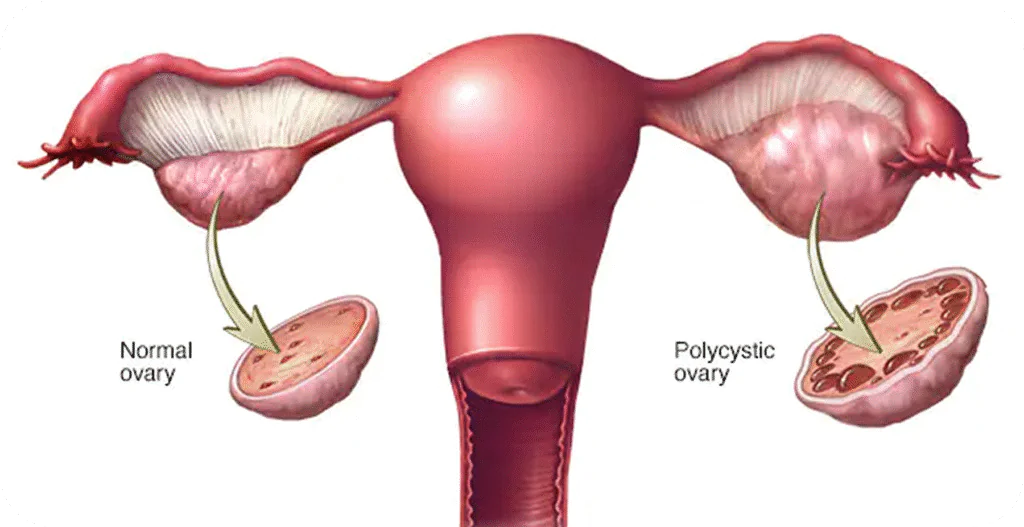
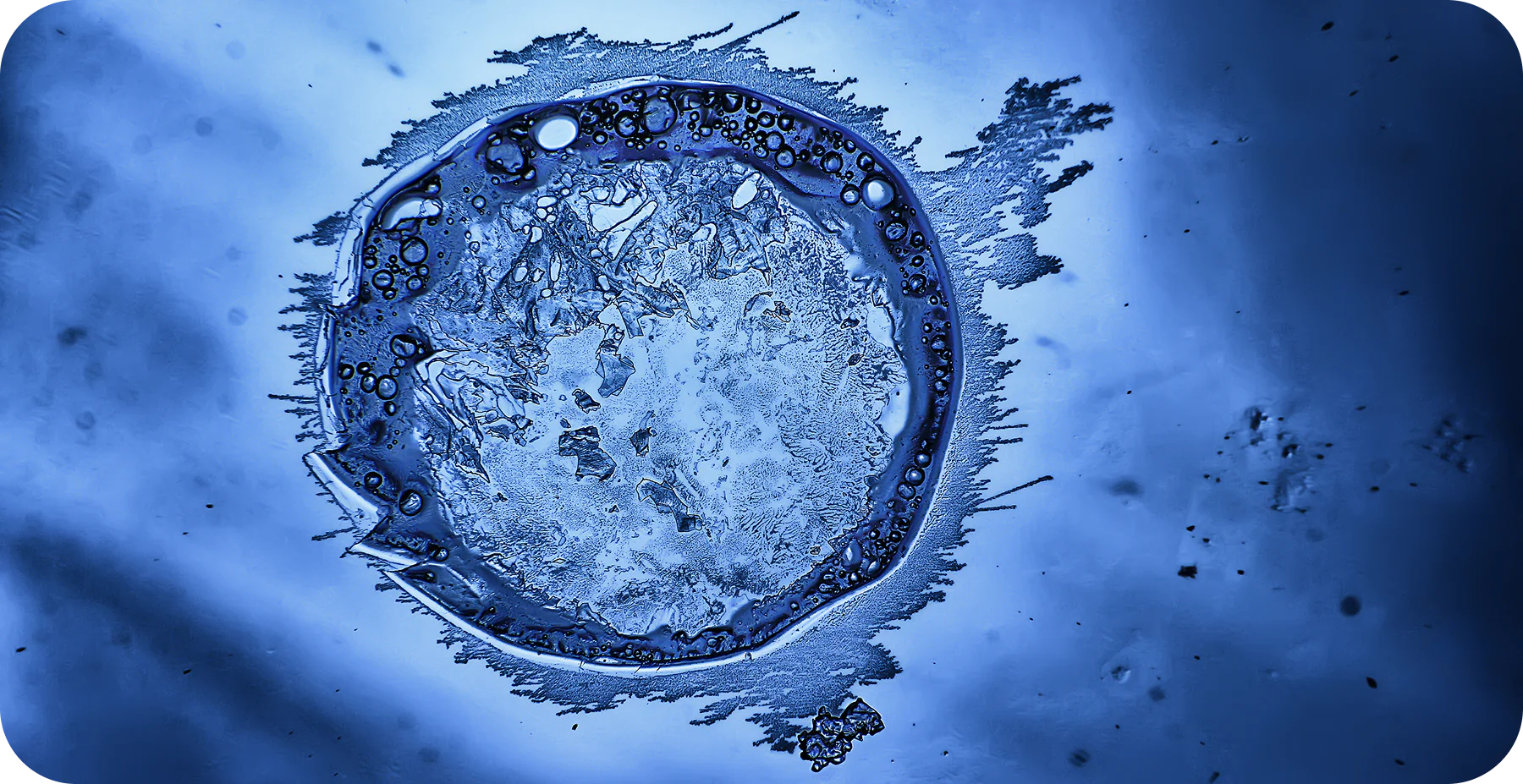
Modern life offers women more choices than ever in career, education, and relationships. But biological fertility still has limits. Egg freezing gives women the flexibility to plan motherhood on their own timeline. At AAS Fertility & IVF Center, this procedure empowers women to preserve their fertility safely and effectively.
If you’ve ever wondered whether egg freezing is right for you, this guide explains everything you need to know.
What Is Egg Freezing?
Egg freezing, or oocyte cryopreservation, is a procedure that allows women to preserve their eggs for future use. The eggs are collected, frozen, and stored using advanced techniques until the woman decides to conceive. When the time comes, the eggs can be thawed, fertilized through IVF, and transferred to the uterus.
This technology gives women more control over their reproductive health and family planning.
Who Should Consider This Process?
Egg freezing isn’t just for women delaying motherhood; it’s for anyone who wants to safeguard their fertility for medical, personal, or professional reasons. You might consider egg freezing if:
- You’re in your late 20s to early 30s and want to delay pregnancy.
- You’re focused on your career or education, but want children later.
- You have a medical condition (like endometriosis or cancer) that could affect fertility.
- You’re undergoing chemotherapy or radiation therapy.
- You want to preserve eggs before IVF for future attempts.
- You haven’t found the right partner, but want to secure healthy eggs now.
AAS Fertility specialists guide every patient through these decisions with personalized advice.
What’s the Best Age to Preserve Your Eggs?
Age plays a major role in egg quality and quantity. The earlier you freeze your eggs, the higher your chances of future success.
Here’s a general guide:
- Best time: Before age 35, eggs are healthiest.
- Still possible: 35–40 may need more cycles for optimal results.
- Above 40: Possible but with lower success rates.
AAS Fertility conducts ovarian reserve testing to determine the best time for each individual.
How the Egg Preservation Journey Works
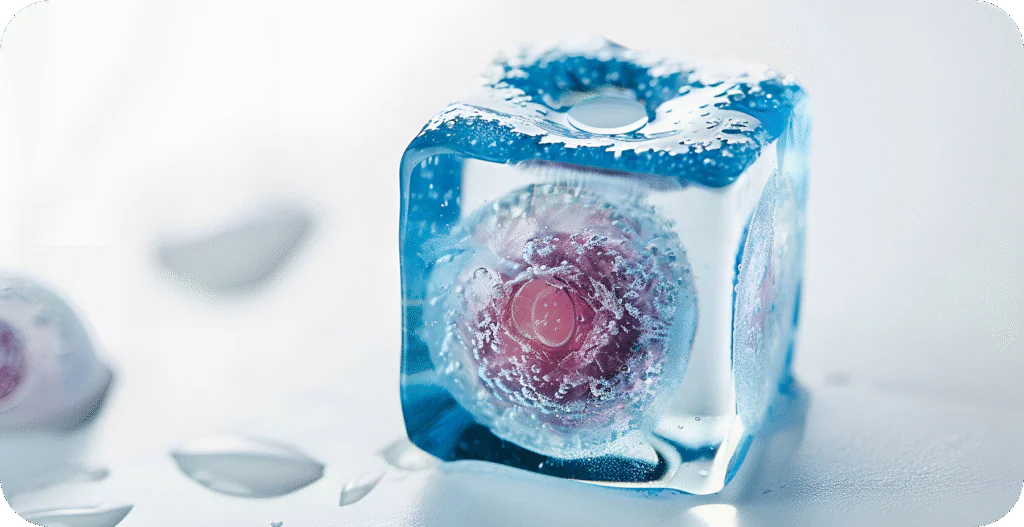
The egg preservation process involves several careful steps to ensure quality and safety:
- Initial Consultation:
You’ll meet a fertility specialist for evaluation, hormone testing, and an ultrasound. - Ovarian Stimulation:
Hormonal medications stimulate your ovaries to produce multiple eggs. - Egg Retrieval:
Eggs are collected through a minor procedure under sedation, quick and painless. - Freezing (Vitrification):
Mature eggs are rapidly frozen using advanced vitrification technology, preserving them without damage. - Storage:
Eggs are safely stored in cryogenic tanks until you’re ready to use them.
When you decide to conceive, the eggs are thawed, fertilized with sperm, and implanted via IVF.
How Long Can Eggs Stay Frozen?
Frozen eggs can remain viable for 10–20 years or even longer with proper storage. Studies show that the duration of freezing does not significantly affect egg quality when modern vitrification methods are used.
AAS Fertility ensures eggs are stored under continuous monitoring in high-standard facilities.
Success Rates of Egg Freezing
Success depends on the woman’s age at the time of freezing and the number of eggs retrieved.
- Under 35: High success rates due to better egg quality.
- 35–40: Moderate success, depending on egg count and health.
AAS Fertility provides realistic guidance based on scientific data, helping patients understand probabilities before making decisions.
Advantages of Egg Freezing
- Preserves fertility during prime reproductive years.
- Provides peace of mind for women who want flexibility.
- Protects against fertility loss due to illness or treatment.
- Allows use of younger, healthier eggs later in life.
- Encourages informed reproductive choices without pressure.

Things to Consider Before Egg Freezing
While egg freezing offers hope, it’s essential to stay informed:
- Costs can vary depending on the medication and storage duration.
- It does not guarantee pregnancy, but it improves the chances.
- The procedure requires hormone injections and monitoring.
- Thawed eggs must be fertilized through IVF.
AAS Fertility ensures every patient receives full medical and emotional support through every stage.
Why Choose AAS Fertility & IVF Center
AAS Fertility combines medical expertise with compassion. Their fertility specialists use advanced freezing techniques and offer complete care from testing and counseling to egg retrieval and long-term storage. Every plan is personalized for each woman’s needs and goals.
Conclusion
Egg freezing is more than a medical advancement; it’s a step toward reproductive freedom. Whether you’re postponing motherhood, focusing on your career, or managing health concerns, egg freezing offers the chance to preserve your future fertility on your own terms. At AAS Fertility & IVF Center, the process is made simple, safe, and supported by experts who care about your journey now and in the future.