A failed IVF cycle can feel devastating. After weeks of hope, appointments, and emotional investment, a negative result often leaves couples heartbroken. But a single failed attempt doesn’t define your fertility journey. At AAS Fertility & IVF Center, every setback becomes a step toward understanding and improvement, not the end of the story.
This blog offers compassionate insight and practical steps to help you cope and prepare for what’s next.
Understanding a Failed IVF Cycle
IVF involves multiple delicate stages of stimulation, egg retrieval, fertilization, and implantation. A failure can happen if any of these steps face issues, such as:
- Poor egg or sperm quality
- Embryo implantation problems
- Hormonal imbalance
- Uterine or endometrial issues
- Genetic abnormalities
- Lifestyle or health factors
Even with advanced techniques, IVF success isn’t guaranteed on the first attempt. Each cycle provides doctors with valuable information to refine treatment for better outcomes next time.
Emotional Impact of IVF Failure
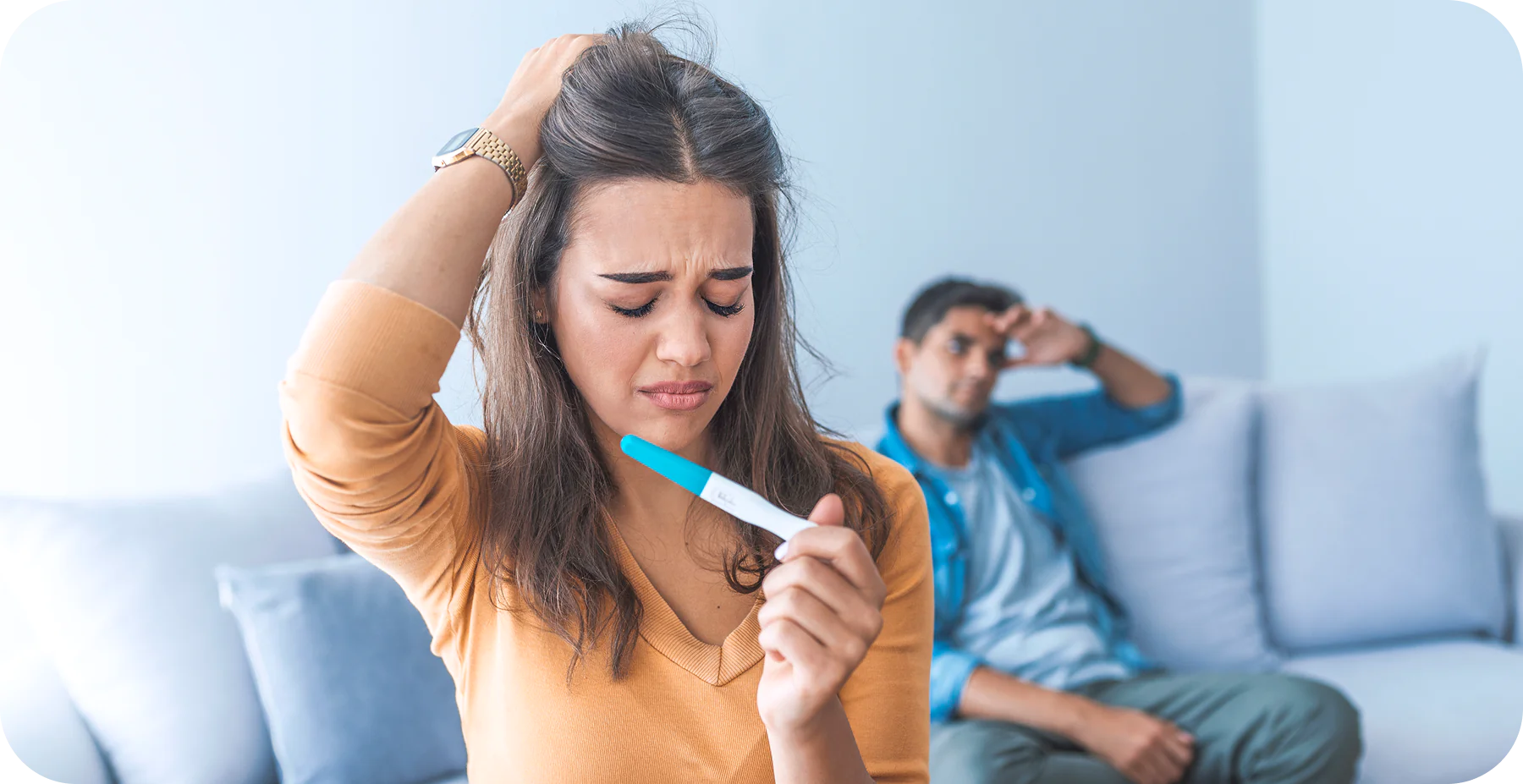
It’s natural to feel grief, frustration, or guilt after a failed IVF attempt. Many couples describe it as a sense of loss. Recognizing and processing these emotions is the first step toward recovery.
- Allow yourself to feel: Avoid suppressing emotions; talk openly with your partner or a counselor.
- Avoid blame: IVF failure is not your fault. Biology is complex, and success takes time.
- Seek support: Professional counseling or support groups can help normalize your feelings.
AAS Fertility emphasizes emotional wellness as much as physical treatment. Patients receive counseling sessions designed to rebuild confidence and hope.
Medical Review: What Comes Next
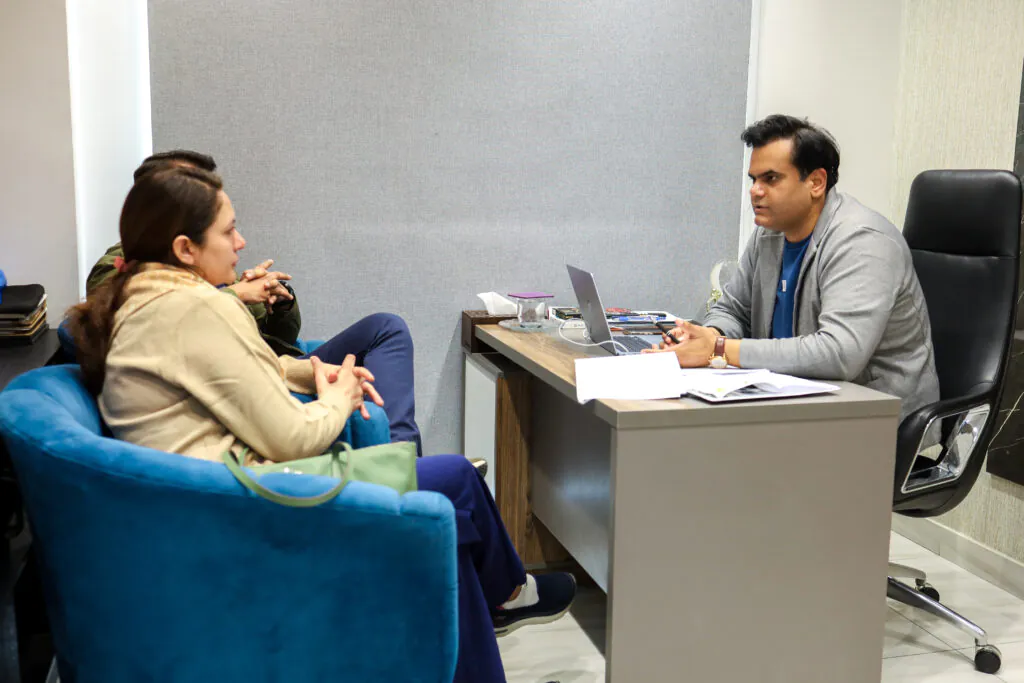
After a failed IVF cycle, your doctor will review every detail of your treatment. This includes hormone levels, egg quality, embryo grading, and uterine health. The goal is to find potential improvements before another cycle.
Common follow-ups include:
- Genetic or chromosomal testing
- Hormonal evaluations
- Lifestyle assessment
- Modifying stimulation protocols
At AAS Fertility, specialists use a data-driven approach to personalize your next plan for better success.
Common Medical Adjustments After a Failed IVF Cycle
- Changing the Stimulation Protocol: Adjusting medication can improve egg quality and response.
- Improving Endometrial Receptivity: Tests like ERA (Endometrial Receptivity Analysis) help identify the best implantation window.
- Using Advanced Embryo Screening: Techniques such as PGT (Preimplantation Genetic Testing) ensure only healthy embryos are transferred.
- Addressing Sperm Health: Additional testing or treatment can improve fertilization success.
Lifestyle Support After Failed IVF Cycle
Your emotional and physical health greatly influences your next attempt. Here are ways to rebuild strength and balance:
- Eat well: Focus on fertility-supportive foods whole grains, leafy greens, and lean proteins.
- Exercise moderately: Yoga, walking, or light workouts relieve stress.
- Get enough rest: Sleep helps regulate hormones and emotional recovery.
- Avoid unhealthy habits: Reduce caffeine, smoking, or alcohol intake.
- Practice mindfulness: Meditation and prayer promote calm and resilience.
AAS Fertility integrates nutrition and mental health guidance into post-IVF care to help you recover holistically.
Coping as a Couple
Infertility can strain relationships, especially after failed IVF. But shared understanding and communication strengthen the bond.
- Talk honestly about your emotions.
- Take a break from fertility talk when needed.
- Support each other through empathy, not advice.
- Plan moments unrelated to treatment date nights, short trips, or hobbies.
AAS Fertility also offers couples counseling to help partners navigate the emotional journey together.
When to Try IVF Again
Doctors usually recommend waiting one or two menstrual cycles before starting another IVF attempt. This allows your body to heal and provides time to address any identified issues. Your fertility specialist will guide the timing based on your health and previous cycle analysis.
Remember, many couples succeed on their second or third attempt. Each round increases understanding and improves chances.
When to Seek Emotional Help

If sadness persists for weeks or you notice signs of depression, professional help is essential. Counselors and therapists trained in fertility-related grief can guide you toward healing.
Look for these signs:
- Loss of motivation or energy
- Trouble sleeping or eating
- Constant guilt or hopelessness
- Avoidance of social contact
Seeking help is not a weakness; it’s a strength in action.
How AAS Fertility Supports You
AAS Fertility & IVF Center goes beyond treatment, offering emotional, medical, and spiritual care. Their programs include:
- Post-IVF counseling
- Nutrition and wellness support
- Fertility reassessment and planning
- Continuous follow-up and guidance
Every patient receives personalized care designed to renew hope and increase future success.
Conclusion
A failed IVF cycle doesn’t mean the end of your dream; it’s part of the journey. Each experience teaches your medical team more about your body, paving the way for better outcomes ahead. Healing takes time, compassion, and the right support system.
At AAS Fertility & IVF Center, couples are never alone in this process. With expert care, emotional guidance, and renewed faith, your path to parenthood can begin again, stronger and wiser than before.