
Many couples often ask how intercourse and fertility are connected and whether frequency affects conception. While timing and cycle patterns are key, understanding how often to have intercourse during the fertile window can improve chances of pregnancy. At AAS Fertility & IVF Center, the best fertility and IVF center in Pakistan, we have supported couples for over 10 years with expert guidance, personalized monitoring, and compassionate care throughout their fertility journey.
How Intercourse and Fertility Are Connected?
Fertility largely depends on ovulation and the timing of intercourse. A woman’s most fertile days occur in the five days before ovulation and on the day of ovulation itself. Intercourse during this fertile window maximizes the chances of conception. Too infrequent intercourse may miss this window, while very frequent intercourse can temporarily reduce sperm count. Understanding ovulation patterns and fertile days ensures the highest probability of conception naturally.
Ideal Frequency of Intercourse for Conception
Experts recommend having intercourse every one to two days during the fertile window. This balance maintains sperm quality while increasing chances of fertilization. Over-scheduling or forcing strict routines can create stress, which negatively impacts fertility. Consistency combined with awareness of fertility cues is the most effective approach.
Male Fertility and Intercourse Frequency
Frequency affects male fertility as well. Very frequent ejaculation may lower sperm motility temporarily, while infrequent intercourse may reduce sperm quality. Men should maintain a balanced routine to ensure optimal sperm count and motility for conception. At AAS Fertility, male fertility assessments help couples understand how intercourse frequency interacts with sperm health to maximize success.
Other Factors Affecting Fertility
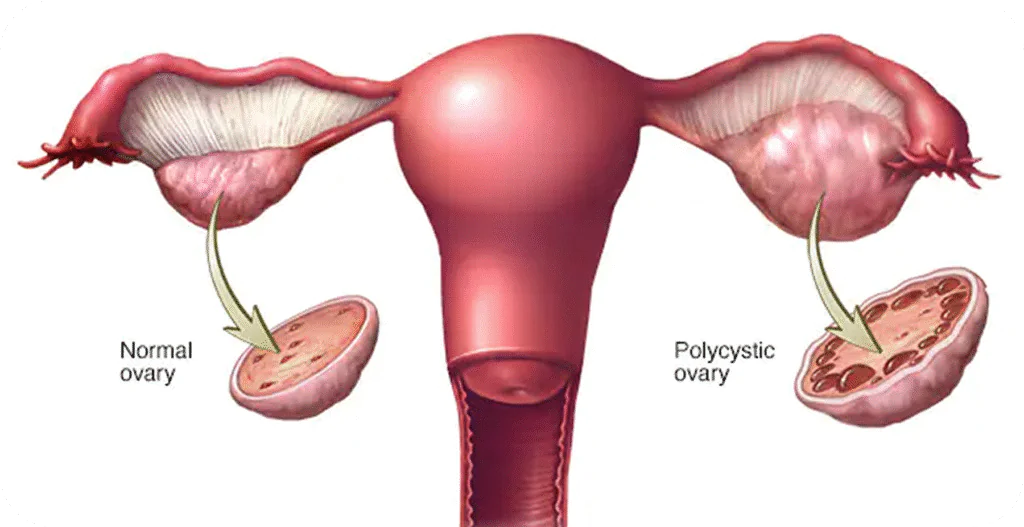
While intercourse frequency is important, other factors significantly influence fertility. Age, hormonal imbalances, PCOS, low sperm count, or structural reproductive issues can affect conception regardless of timing. Couples should consult specialists early to identify any medical challenges. Treatments like IUI or IVF can complement natural conception strategies if needed.
When to Seek Fertility Support?
Couples under 35 who haven’t conceived after 12 months of regular intercourse should seek evaluation. Women over 35 should consider a consultation after six months. Fertility experts at AAS Fertility & IVF Center provide comprehensive assessments for both partners, recommend evidence-based treatment options, and offer lifestyle guidance to support natural fertility and assisted reproduction.
Conclusion
Frequency of intercourse plays a key role in conception, especially during the fertile window. By understanding intercourse and fertility, couples can plan effectively, reduce stress, and maximize the chances of pregnancy. With guidance from AAS Fertility & IVF Center, couples receive expert advice, personalized fertility planning, and compassionate support to help them achieve their dream of parenthood.