
For many women, fertility challenges often trace back to underlying gynaecological conditions. These conditions can affect ovulation, egg quality, or the ability of an embryo to implant successfully. The good news is that most are treatable with the right medical care.
At AAS Fertility & IVF Center, specialists identify and treat these conditions using advanced diagnostics and personalized fertility plans. This blog explores the most common gynaecological issues that affect fertility and how they can be managed.
PCOS and Fertility: A Gynaecological Perspective
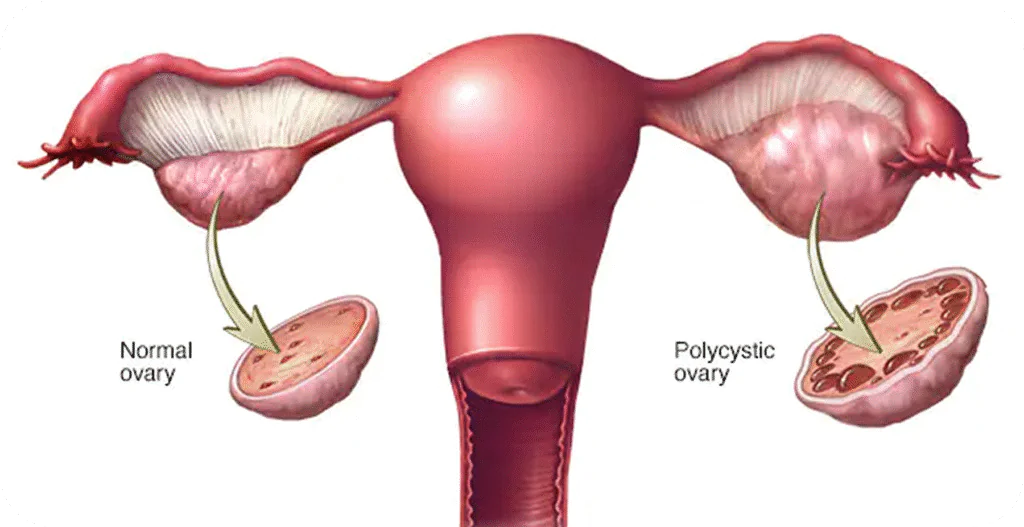
Polycystic Ovary Syndrome (PCOS) is one of the leading causes of infertility among women. It occurs when a hormonal imbalance prevents regular ovulation. Without ovulation, fertilization cannot occur naturally.
Symptoms include irregular cycles, weight gain, acne, and excess hair growth. PCOS also leads to insulin resistance, which worsens hormonal imbalance and impacts egg quality.
At AAS Fertility, PCOS treatment focuses on:
- Balancing hormones with medication
- Restoring regular ovulation
- Managing weight and insulin levels
- Offering fertility treatments like IUI or IVF if needed
With proper management, most women with PCOS can conceive successfully.
Endometriosis and Fertility: A Gynaecological Insight
Endometriosis happens when tissue similar to the uterine lining grows outside the uterus, causing inflammation and scarring. This condition can block the fallopian tubes or affect egg release and implantation.
Common symptoms include:
- Painful periods
- Pelvic pain during intercourse
- Heavy bleeding
- Difficulty conceiving
AAS Fertility’s experts use laparoscopy to diagnose and remove endometrial tissue, improving natural conception rates or enhancing IVF outcomes.
Fibroids and Fertility
Uterine fibroids are non-cancerous growths that can develop in or around the uterus. Depending on their size and location, fibroids can:
- Block the fallopian tubes
- Distort the uterine lining
- Affect embryo implantation
While not every fibroid causes infertility, larger ones often do. Treatments may include:
- Medications to shrink fibroids
- Minimally invasive surgery (myomectomy)
- Fertility treatments after fibroid removal
At AAS Fertility, doctors ensure fibroid management aligns with fertility goals for the best outcomes.
Pelvic Inflammatory Disease (PID) and Fertility

Pelvic Inflammatory Disease is a bacterial infection that affects the reproductive organs. If left untreated, it can cause scarring in the fallopian tubes and uterus, leading to infertility.
PID symptoms may include:
- Lower abdominal pain
- Fever and fatigue
- Unusual vaginal discharge
- Pain during intercourse
Early treatment with antibiotics can prevent permanent damage. In severe cases, assisted reproduction like IVF may help bypass blocked tubes and achieve pregnancy.
Cervical Conditions and Fertility
Certain cervical issues can interfere with sperm movement or embryo implantation. Examples include:
- Cervical mucus abnormalities
- Cervical stenosis (narrowing of the cervix)
- Previous cervical surgeries or infections
AAS Fertility uses advanced imaging and tests to identify these conditions early. Treatments such as cervical dilation or fertility procedures like IUI help overcome these barriers.
Hormonal Imbalances and Fertility
Hormones regulate every step of the reproductive cycle from egg release to implantation. Imbalances in thyroid hormones, prolactin, or estrogen can prevent ovulation or disrupt the menstrual cycle.
At AAS Fertility, specialists use blood tests to identify hormonal irregularities and provide:
- Medication for thyroid and prolactin control
- Hormone therapy to restore ovulation
- Lifestyle advice for long-term balance
Balanced hormones play a key role in improving fertility success rates.
Ovarian Cysts and Fertility: Key Gynaecological Factors
Ovarian cysts are fluid-filled sacs that develop on the ovaries. While most are harmless, some can interfere with ovulation or hormone levels.
Large or persistent cysts may require surgical removal. However, early detection ensures fertility preservation. AAS Fertility’s monitoring and minimally invasive techniques protect ovarian function during treatment.
Uterine Abnormalities and Fertility
Structural problems in the uterus, such as a septum, adhesions, or polyps, can prevent an embryo from implanting properly.
Common solutions include:
- Hysteroscopy (to remove polyps or septum)
- Surgical correction of uterine shape
- IVF for severe cases
AAS Fertility uses advanced 3D imaging and precise surgical techniques to ensure a healthy uterine environment for pregnancy.
The Emotional Impact of Gynaecological Infertility
Dealing with fertility issues often causes emotional distress. Feelings of frustration, anxiety, or guilt are common. Recognising that infertility is a medical condition, not a personal failure, is crucial.
At AAS Fertility, emotional wellness is part of every treatment plan. Counselling and mental health support help patients stay positive and resilient throughout their fertility journey.
Diagnosis and Treatment at AAS Fertility
AAS Fertility’s diagnostic process includes:
- Detailed medical history
- Hormonal and imaging tests
- Advanced fertility assessments
Based on results, personalised treatment plans may involve:
- Medication and hormonal therapy
- Surgical correction of reproductive issues
- Assisted reproductive technologies like IUI or IVF
Every patient’s plan is tailored to her unique condition and fertility goals.
Lifestyle Changes to Support Fertility
Small lifestyle improvements can enhance fertility outcomes alongside medical care:
- Maintain a balanced diet rich in nutrients
- Manage stress through yoga or mindfulness
- Exercise regularly but moderately
- Avoid smoking, alcohol, and processed foods
- Get enough rest for hormonal balance
At AAS Fertility, lifestyle counselling complements medical treatment for holistic reproductive wellness.
Conclusion
Gynaecological issues may affect fertility, but with early diagnosis and expert care, many women achieve healthy pregnancies. Modern treatments, lifestyle changes, and emotional support together create the foundation for success.
At AAS Fertility & IVF Center, women receive advanced, compassionate, and faith-based care because every fertility story deserves a hopeful ending.