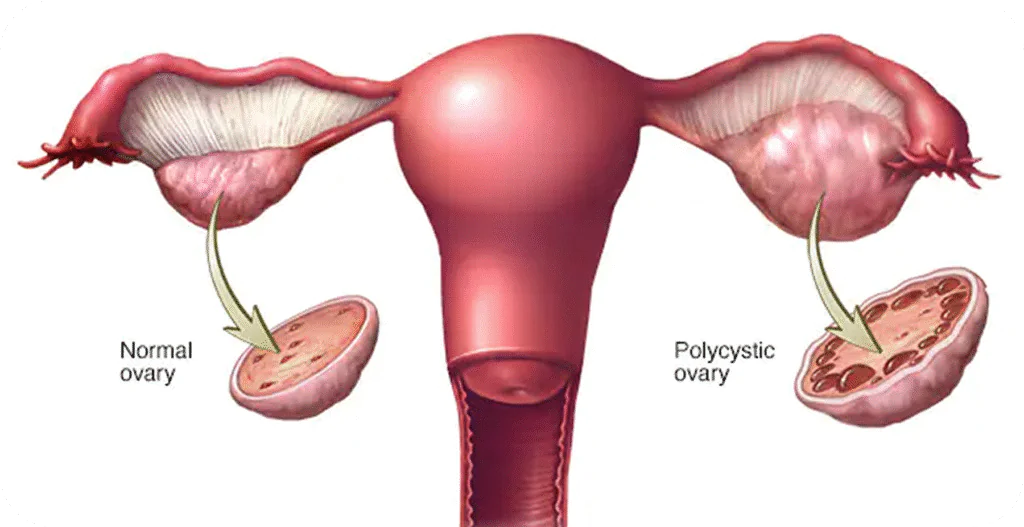

When it comes to fertility and infertility, myths are everywhere. From old wives’ tales to social media “advice,” couples often face confusion when trying to conceive. These misconceptions can delay diagnosis and treatment. At AAS Fertility & IVF Center, experts believe that accurate knowledge is the first step toward a successful pregnancy.
Let’s debunk the most common fertility myths with facts backed by science.
Myth 1: Infertility Is Mostly a Woman’s Problem
Fact:
Infertility affects both partners. Studies show that male factors contribute to nearly 40–50% of all infertility cases. Low sperm count, poor motility, and hormonal imbalance are common causes. At AAS Fertility, comprehensive testing for both partners ensures that no underlying issues are missed.
Myth 2: Age Only Affects Women’s Fertility
Fact:
While women’s fertility declines more noticeably after 35, men are not exempt. Sperm quality also decreases with age, affecting embryo health and pregnancy outcomes. Both partners benefit from early fertility evaluations to plan treatment effectively.
Myth 3: You Can’t Get Pregnant If You Miss Your “Fertile Window” Once
Fact:
Conception is possible at different times depending on ovulation patterns. Cycles can vary, and sperm can survive inside the female body for up to 5 days. Tracking ovulation and understanding your unique cycle improves timing, something fertility specialists guide couples on.
Myth 4: Stress Alone Causes Infertility

Fact:
Stress doesn’t cause infertility, but it can affect hormones that influence ovulation and sperm quality.
Severe anxiety may make conception harder, but it’s rarely the sole reason. That’s why AAS Fertility offers emotional support and stress management as part of treatment plans.
Myth 5: Lifestyle Changes Alone Can Cure Infertility
Fact:
Healthy habits improve fertility but don’t replace medical treatment. Conditions like blocked tubes, endometriosis, or hormonal imbalances require professional intervention. Lifestyle changes should complement, not substitute, medical evaluation and treatment.
Myth 6: IVF Guarantees Pregnancy
Fact:
IVF increases chances of conception, but it’s not a 100% guarantee. Success rates depend on factors like age, egg and sperm quality, and overall health. AAS Fertility emphasizes realistic expectations while using advanced IVF techniques for better outcomes.
Myth 7: If You’ve Had One Child, You Won’t Face Infertility Later
Fact:
Secondary infertility, difficulty conceiving after a previous pregnancy, is real. Age, hormonal changes, or new medical issues can affect fertility even after a successful birth. Proper diagnosis helps identify new challenges early on.
Myth 8: Natural Remedies and Herbal Supplements Can Fix Infertility
Fact:
There’s no scientific proof that herbs or “natural cures” alone can treat infertility. Unverified remedies can even interfere with prescribed medications. Always consult a fertility specialist before starting any supplement or alternative treatment.

Myth 9: Frequent Intercourse Increases Chances of Pregnancy
Fact:
Quality matters more than quantity. Regular intercourse during the fertile window is enough. Excessive frequency can lower sperm count temporarily. AAS Fertility helps couples plan the optimal timing through personalized fertility tracking.
Myth 10: Once You Start Fertility Treatment, You’ll Need It Forever
Fact:
Many couples conceive after one or two treatment cycles. Some even succeed naturally afterward. Fertility treatments are designed to restore balance, not create dependency.
Conclusion
Understanding fertility myths vs. facts empowers couples to make informed choices. False beliefs can delay treatment and increase stress. At AAS Fertility & IVF Center, every couple receives honest guidance, evidence-based care, and emotional support throughout their journey. With the right knowledge and medical help, conception becomes not just a hope but a real possibility.