IVF success rates reflect the likelihood of achieving pregnancy through in vitro fertilization. However, these numbers can be confusing for many couples. Understanding what they mean helps you set realistic expectations. At AAS Fertility & IVF Center, doctors explain these rates clearly. Their goal is to help patients understand the process, not just the percentages.
What Do IVF Success Rates Mean?
IVF success rates indicate the percentage of cycles that result in a live birth. They vary based on age, health, and treatment type. It’s important to know that success rates are averages, not guarantees. They give insight into how well a clinic’s treatments perform overall. Couples should always discuss their personal chances with a fertility expert.
Factors That Influence IVF Success Rates
Many factors affect IVF outcomes, including biological and medical conditions. Understanding these helps improve treatment results.
- Age of the woman: Fertility declines with age, especially after 35.
- Egg and sperm quality: Healthy gametes boost embryo development.
- Uterine health: A healthy uterus supports embryo implantation.
- Lifestyle choices: Smoking, alcohol, and stress reduce success rates.
- Clinic expertise: Experience and technology matter in IVF outcomes.
AAS Fertility ensures each factor is carefully optimized for better success.
How to Interpret IVF Success Statistics
When reviewing clinic data, focus on the live birth rate per cycle. A higher rate generally reflects better outcomes. However, clinics treating complex cases may show lower numbers. That doesn’t mean the care is poor; it means they accept tougher cases. AAS Fertility prioritizes personalized care, not just statistics.
Age and IVF Success
Age is one of the strongest predictors of IVF success. Women under 35 typically have higher success rates. Those between 35 and 40 can still conceive with proper support. For women above 40, advanced techniques like ICSI can help. AAS Fertility tailors each plan to the patient’s age and egg health.
Role of Embryo Quality in IVF Success Rates
Embryo quality directly affects IVF outcomes. Healthy embryos implant more successfully and grow into healthy pregnancies. At AAS Fertility, embryologists carefully select and monitor embryos. They use advanced lab technology to ensure the best possible results. This approach improves both success rates and patient confidence.
Male Factors and IVF Success
Male fertility has a major impact on IVF success rates. When sperm count is low, or motility and shape are weak, the chances of creating strong embryos naturally drop. This is why many couples struggle even when everything seems normal on the female side.
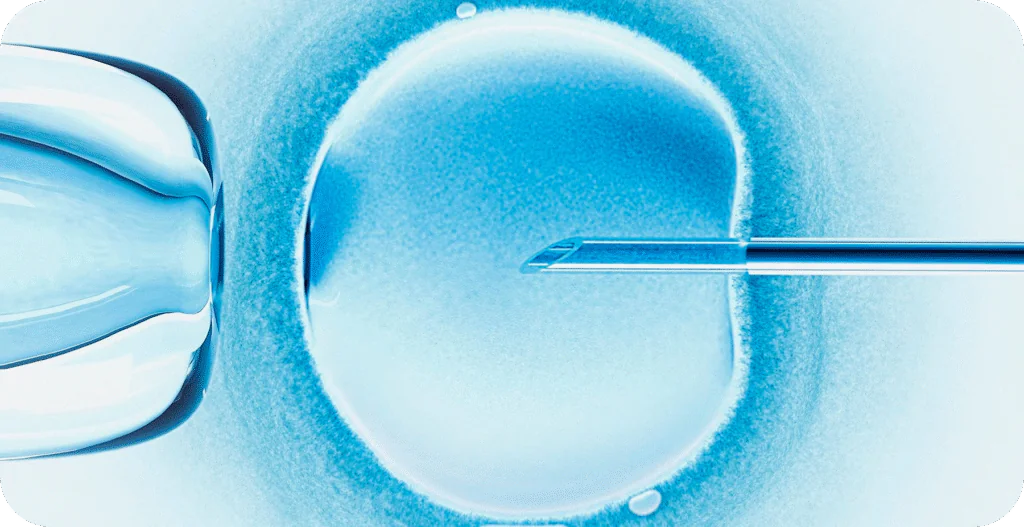
With ICSI, the process becomes more precise, so that even a single healthy sperm can fertilize an egg. This gives couples dealing with male infertility a much better chance at successful embryo formation.
At AAS Fertility, advanced male infertility treatments and detailed semen analysis help identify the exact issue so the right treatment can be planned. Whether it’s lifestyle guidance, medication, or assisted procedures like ICSI, the goal is to improve embryo quality and boost your IVF success rate with confidence and clarity.

Lifestyle and IVF Outcomes
Healthy living supports reproductive success. Balanced nutrition, exercise, and stress management improve outcomes. Avoid smoking and alcohol before and during treatment. These small changes can make a big difference in your success rate.
Emotional Support and Realistic Expectations
IVF is not just a medical journey; it’s emotional, too. Couples may feel anxious or discouraged during multiple cycles. Emotional support improves mindset and treatment response. AAS Fertility provides counseling to help patients stay strong and hopeful.
Why Choose AAS Fertility & IVF Center
AAS Fertility combines medical expertise with compassionate care. Their success rates come from individualized treatment, not shortcuts. Each couple receives a plan designed for their unique fertility needs. Their transparent approach helps patients understand every step clearly.
Improving Your Chances of IVF Success
You can improve your chances by:
- Maintaining a healthy BMI
- Managing stress through relaxation
- Following the prescribed medication
- Avoiding toxins and processed food
- Getting enough sleep and hydration
Consistency and care help the body respond better to treatment.
Conclusion
IVF success rates are more than just numbers; they reflect care, science, and hope. Every couple’s journey is unique, and so are their results. At AAS Fertility & IVF Center, experts help you make sense of the data. They ensure you get the right guidance, realistic expectations, and the best chance at success.