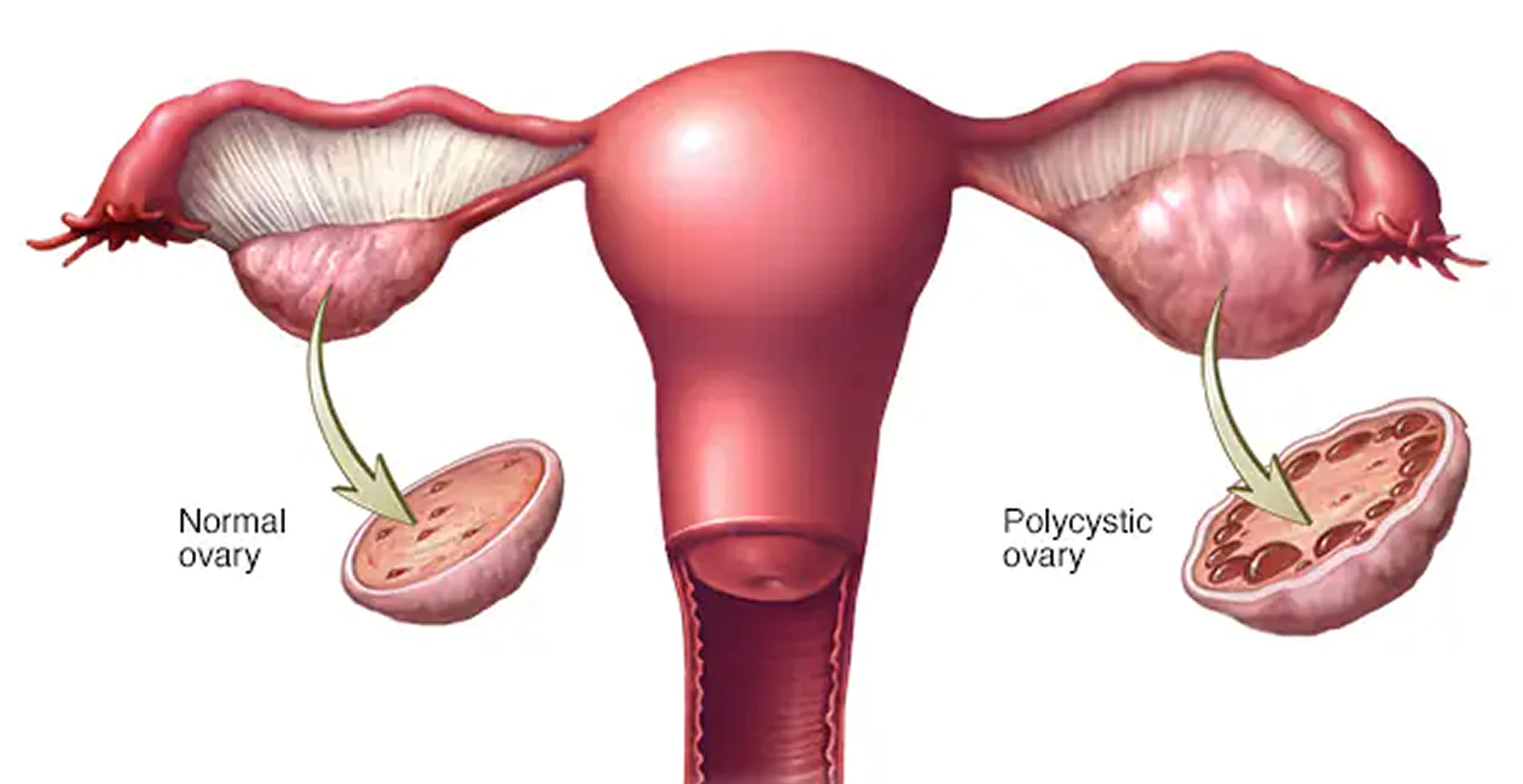
Polycystic ovary syndrome, commonly known as Polycystic Ovary Syndrome, is a condition that affects many women of reproductive age. It often raises concerns about fertility and pregnancy. Many women ask if it is still possible to get pregnant with PCOS. The good news is that pregnancy is possible for many women with proper care and guidance. At AAS Fertility & IVF Center, we support women with Polycystic Ovary Syndrome using personalized fertility plans and evidence-based treatment.
How PCOS Affects Fertility?
Polycystic Ovary Syndrome can interfere with the normal release of hormones that control the menstrual cycle and ovulation. When these hormones are not released in the right balance or at the right time, the ovaries may struggle to mature and release eggs regularly.
In some cycles, an egg may not be released at all, while in others, ovulation may be delayed. This irregular ovulation makes it difficult to identify fertile days, which can reduce the chances of conception over time.
Hormonal imbalance may also affect how the body processes insulin, leading to higher insulin levels that can further disrupt ovulation and egg quality. These changes can create a cycle where hormone imbalance and insulin resistance continue to affect reproductive health, making pregnancy more challenging without proper medical guidance and lifestyle support.
Can You Ovulate With PCOS?
Many women with PCOS continue to ovulate even when their menstrual cycles are irregular or unpredictable. While ovulation may not occur every month, it can still happen naturally, especially with targeted lifestyle adjustments or medical guidance.
Simple changes such as maintaining a healthy body weight, following a balanced diet, engaging in regular physical activity, managing stress, and improving sleep can all help regulate hormone levels and support ovulation.
In addition to lifestyle measures, fertility specialists may recommend treatments such as ovulation-inducing medications, which help the ovaries release eggs more consistently and improve the timing of ovulation.
By combining these approaches, specialists aim to create a regular ovulation pattern, giving women a better chance of conception while minimizing risks and maintaining overall reproductive health.
Natural Pregnancy Possibilities
Natural pregnancy is possible, especially when symptoms are mild. Improving eating habits, maintaining a healthy body weight, staying physically active, and managing stress can help regulate cycles. These changes may support hormone balance and improve fertility over time.
Treatment Options for Better Conception
When natural methods are not enough, fertility treatments can play an important role in helping achieve pregnancy. Doctors may start with medicines that help the ovaries release eggs more regularly, making ovulation easier to predict. If further support is needed, treatments such as IUI or IVF may be recommended based on age, health history, and how the body responds to medication. For women with PCOS, careful monitoring is especially important to avoid over-stimulation and improve success rates.
At AAS Fertility & IVF Center, specialists closely track hormone levels, follicle growth, and overall response throughout treatment. This personalized and well-supervised approach helps reduce risks, supports healthy ovulation, and improves the chances of a successful pregnancy.
Lifestyle Support for Hormonal Balance
Long-term improvement in fertility often depends on everyday habits and lifestyle choices. Eating balanced meals that include whole grains, vegetables, fruits, healthy fats, and protein helps support hormone balance and steady energy levels.
Regular physical activity, even light exercises like walking or stretching, can improve blood flow and support reproductive health. Proper sleep is equally important, as poor sleep can disturb hormones that control ovulation and overall fertility.
Managing daily stress through relaxation techniques, hobbies, or emotional support can also make a meaningful difference. At AAS Fertility & IVF Center, patients are guided to make realistic lifestyle changes that fit into daily life. These habits not only support fertility but also improve overall health, emotional well-being, and long-term reproductive outcomes.
Emotional Support During PCOS Treatment
Living with PCOS can feel overwhelming, especially when pregnancy does not happen as quickly as expected. Many women experience stress, frustration, or self-doubt during this time, which can affect emotional well-being. Emotional health plays an important role in fertility, as ongoing stress may influence hormone balance and overall motivation during treatment. Feeling supported and understood can make the journey easier to manage.
At AAS Fertility & IVF Center, patients receive compassionate care along with clear communication at every stage. The team focuses on listening, providing reassurance, and explaining treatment options in an easy-to-understand way, helping patients feel informed, confident, and emotionally supported throughout their fertility journey.
Conclusion
Pregnancy is possible for many women diagnosed with PCOS. While hormonal imbalance may affect ovulation, the right combination of lifestyle care and medical support can significantly improve fertility. With personalized treatment and expert guidance, AAS Fertility & IVF Center helps patients move forward with confidence and hope.