
Secondary infertility refers to the inability to conceive or carry a pregnancy after previously giving birth to a child. Many couples feel confused and emotionally distressed when pregnancy does not happen again, especially after a successful first experience. Understanding the causes and available treatments can help couples move forward with clarity and confidence.
At AAS Fertility & IVF Center, couples facing secondary infertility receive personalized care, advanced diagnostics, and compassionate support to identify underlying issues and restore fertility.
Understanding Fertility After a Previous Pregnancy
Having conceived once does not guarantee future fertility. The reproductive system continues to change throughout life, and new factors may affect ovulation, sperm quality, or implantation. Even subtle hormonal shifts or untreated medical issues can influence the ability to conceive again.
Recognizing these changes early helps couples take proactive steps rather than delaying evaluation.
What Is Secondary Infertility?
Secondary infertility occurs when a couple struggles to conceive again after having one or more children naturally or through treatment. It affects both men and women and is more common than many realize.
Although a prior pregnancy suggests fertility potential, reproductive health can change over time. Age, medical conditions, and lifestyle factors often contribute to new challenges.
Why Conception May Become Difficult Again?
Several factors can interfere with fertility after a previous birth. Physical recovery from earlier pregnancies, lifestyle changes, weight fluctuations, stress, and underlying medical conditions all contribute.
In some cases, complications from earlier deliveries or infections may affect reproductive organs, making conception more difficult over time.
Common Causes of Secondary Infertility in Women & Men
Several female-related factors can lead to secondary infertility. Age plays a major role, as egg quality and quantity decline over time. Hormonal imbalances may disrupt ovulation and menstrual regularity.
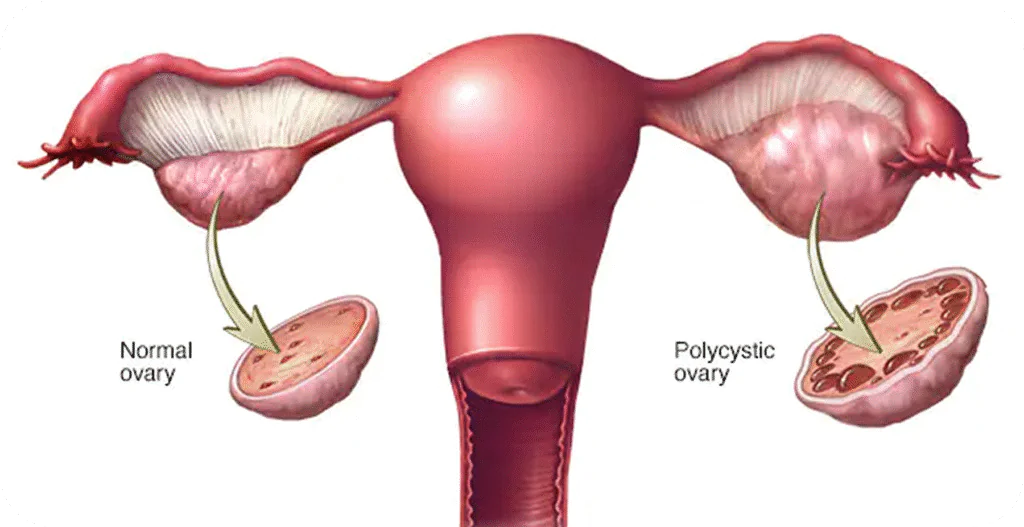
Other common causes include uterine fibroids, endometriosis, ovarian cysts, blocked fallopian tubes, and complications from previous surgeries or infections. Pregnancy-related issues, such as postpartum infections or scarring, can also affect fertility.
Male fertility can change after the first child. Low sperm count, reduced motility, and abnormal sperm shape may develop over time due to age, stress, weight gain, smoking, or medical conditions.
Hormonal changes, testicular injuries, or untreated infections may also affect sperm health. This is why fertility evaluation always includes both partners.
How Age and Health Influence Secondary Fertility?
Age plays a significant role in fertility outcomes. As women grow older, egg quantity and quality naturally decline. Men may also experience gradual reductions in sperm quality.
Chronic conditions such as thyroid disorders, diabetes, or high blood pressure can further impact reproductive health. Addressing these factors early improves treatment outcomes.
Diagnosis and Fertility Evaluation
Diagnosing fertility issues begins with a detailed medical history and targeted testing for both partners. Doctors may assess hormone levels, ovulation patterns, reproductive anatomy, and semen quality.
At AAS Fertility, individualized evaluation helps identify the exact cause and avoid unnecessary treatments.
Treatment Options for Secondary Infertility
Secondary infertility treatment depends on the underlying cause. Some couples conceive after simple interventions such as ovulation induction, hormonal regulation, or lifestyle changes.
Others may benefit from assisted reproductive techniques like IUI or IVF, especially when ovulation disorders or sperm-related issues are present. Treatment plans are tailored to the couple’s medical needs and reproductive goals.
Emotional Impact and Support for Couples

Experiencing fertility difficulties after having a child can lead to guilt, frustration, and emotional fatigue. Many couples struggle silently, believing they should not feel distressed.
Emotional support, counseling, and clear communication help couples manage stress and remain emotionally resilient throughout treatment.
When to Consult a Fertility Specialist?
Couples under 35 should seek medical advice after one year of unsuccessful attempts, while those over 35 should consult after six months. Early evaluation improves success rates and reduces emotional strain.
Timely guidance helps couples understand options before fertility declines further.
How AAS Fertility Supports Couples for Secondary Infertility?
AAS Fertility & IVF Center offers structured fertility care focused on accurate diagnosis, ethical treatment, and emotional support. Each couple receives clear explanations, transparent planning, and individualized care.
The clinic’s approach prioritizes patient education, comfort, and evidence-based treatment at every stage.
Conclusion
Secondary infertility is a common and treatable condition. Changes in health, age, or lifestyle can affect fertility after a previous pregnancy, but timely evaluation and appropriate care make a meaningful difference.
With proper diagnosis, supportive guidance, and tailored treatment, many couples successfully conceive again and continue building their families with confidence.