
Trying to conceive can be one of the most emotional and uncertain journeys for any couple. While some achieve pregnancy within a few months, others experience unexpected delays that spark concern. Knowing when to visit a fertility doctor or consult a fertility specialist can make a huge difference in your chances of success.
Early evaluation at a trusted fertility clinic helps identify hidden issues, provides expert guidance, and opens doors to effective treatments. In this blog, we’ll explore the signs, timelines, and expert insights that will help you decide when to take that next important step toward parenthood.
Understanding Fertility and When to Seek Help
Fertility is often something couples take for granted until conception doesn’t happen as expected. For many, trying to conceive becomes a journey filled with excitement, confusion, and emotional ups and downs. The question that often arises is simple yet significant: When should you visit a fertility doctor?
Before diving into the signs and timelines, it’s important to understand what fertility means. Fertility is the natural ability to conceive a child through regular, unprotected sexual intercourse. However, when conception doesn’t occur after a reasonable period, it may be time to evaluate underlying causes and consult a professional.
If you’re struggling to conceive despite your best efforts, visiting a fertility doctor isn’t just a medical step; it’s a hopeful one. These specialists identify possible issues, guide you through fertility tests, and create personalized treatment plans tailored to your unique situation.
Why Timing Matters in Fertility Treatment
Timing plays a crucial role in conception. In women, the window of fertility changes each month, depending on ovulation. However, for couples trying for months without success, time can also mean missed opportunities.
Generally, doctors recommend trying naturally for one year if you’re under 35 and for six months if you’re over 35. If pregnancy still doesn’t occur, it’s time to visit a fertility doctor for a complete evaluation.
This timeline is based on age-related fertility decline, which affects both egg quality and quantity in women. As age increases, so does the risk of irregular ovulation and other complications. Therefore, timely intervention can make a huge difference.

Common Signs It’s Time to Visit a Fertility Doctor
If you’ve been wondering whether your fertility concerns are serious enough to see a specialist, here are several signs that suggest it’s time to schedule that appointment.
1. Trying for a Year Without Success
If you’ve had unprotected intercourse for 12 months without conceiving, you should visit a fertility doctor. This duration is considered the medical benchmark for infertility.
Even if you’re in good health and your lifestyle seems balanced, unseen reproductive issues might be the reason behind the delay. A fertility expert can evaluate your condition using tests like hormonal analysis, semen evaluation, and ultrasound scans.
2. Irregular or Absent Periods
A regular menstrual cycle is an important indicator of healthy ovulation. If your cycles are consistently irregular or absent, it’s a strong sign that ovulation may not be occurring.
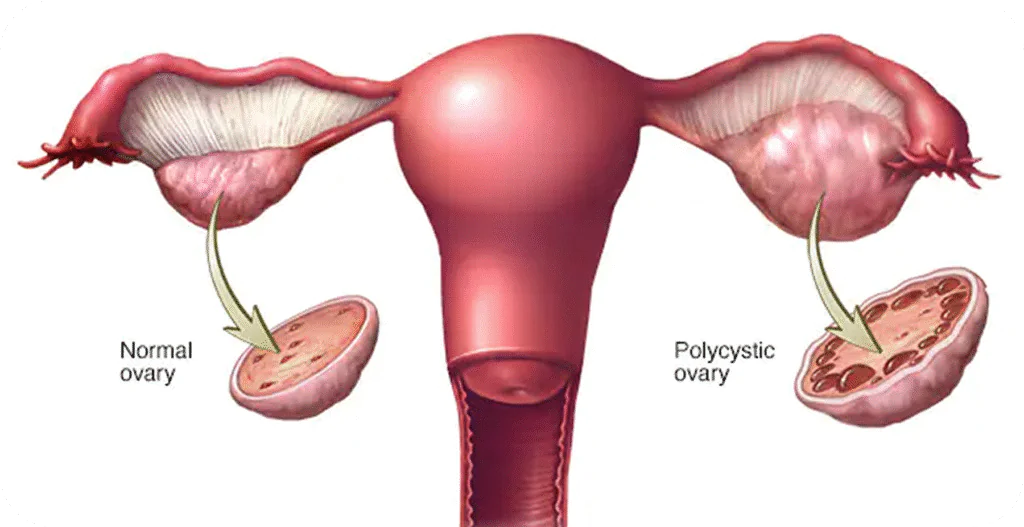
Without ovulation, conception becomes impossible. Visiting a fertility doctor early can help determine whether conditions such as polycystic ovary syndrome (PCOS), thyroid disorders, or hormonal imbalances are causing the issue.
3. Age Over 35 (for Women)
Age is one of the biggest factors in fertility. Women over 35 experience a natural decline in both egg count and quality. If you’re in this age group and have been trying to conceive for more than six months, it’s best to visit a fertility doctor.
For women over 40, immediate evaluation is often recommended, as the chances of conception naturally are significantly lower without medical support.
4. Known Reproductive Issues
If you or your partner already has known reproductive conditions like PCOS, endometriosis, low sperm count, or blocked fallopian tubes, there’s no reason to delay seeing a fertility specialist. Early consultation can prevent months or even years of uncertainty.
5. Multiple Miscarriages
Experiencing two or more miscarriages can be emotionally devastating. However, recurrent pregnancy loss often signals an underlying problem such as chromosomal issues, uterine abnormalities, or immune disorders. A fertility doctor can help identify the exact cause and recommend the right treatment or assisted reproductive technique.
What Happens When You Visit a Fertility Doctor

If you’ve decided to schedule your first appointment, knowing what to expect can ease your nerves.
A fertility consultation usually starts with a detailed discussion about your medical history, lifestyle, and previous attempts at conception. Both partners are encouraged to attend since infertility affects men and women equally.
Step 1: Initial Evaluation
Your doctor will ask about your menstrual cycle, prior pregnancies, and any previous medical treatments. For men, lifestyle factors like stress, smoking, and alcohol use are also discussed.
Step 2: Diagnostic Tests
To identify possible causes, your fertility specialist may recommend tests such as:
- Hormonal blood tests
- Ovulation tracking
- Ultrasound or hysterosalpingography (HSG)
- Semen analysis
The goal is to pinpoint what’s preventing conception, whether it’s hormonal, structural, or lifestyle-related.
Step 3: Personalized Treatment Plan
Once the results are in, the fertility doctor designs a personalized treatment plan. Depending on your diagnosis, you may be advised to undergo ovulation induction, intrauterine insemination (IUI), or in vitro fertilization (IVF).
Transitioning to this stage often brings renewed hope for couples who have tried naturally without success.
Key Reasons to Visit a Fertility Doctor Early
Some people wait too long before consulting a fertility expert, thinking they should “just try a little longer.” However, early medical support can significantly improve your chances of a successful pregnancy.
1. Early Diagnosis of Underlying Issues
The sooner you visit a fertility doctor, the faster you can identify potential issues such as hormonal imbalances or low sperm motility. Detecting these problems early allows for more effective treatment.
2. Prevent Age-Related Decline
Fertility in both men and women declines with age. Consulting a specialist early means you can take advantage of the most fertile years while options like egg freezing or early IVF are still effective.
3. Emotional Support and Guidance
Trying to conceive can be emotionally exhausting. Fertility specialists not only provide medical treatment but also emotional reassurance and clarity, helping you make informed, hopeful decisions.
Common Fertility Treatments You Might Encounter
If natural conception doesn’t occur, your fertility specialist may recommend one of the following treatments based on your diagnosis.
Ovulation Induction (OI)
This involves stimulating the ovaries with medication to release eggs. It’s often recommended for women with irregular cycles or conditions like PCOS.
Intrauterine Insemination (IUI)
A simple and less invasive procedure, IUI involves placing washed and concentrated sperm directly into the uterus during ovulation.
In Vitro Fertilization (IVF)
IVF is one of the most advanced and effective fertility treatments available. Eggs are retrieved, fertilized in a lab, and then transferred back into the uterus.
Intracytoplasmic Sperm Injection (ICSI)
For couples with male infertility issues, ICSI can be used in combination with IVF. It involves injecting a single sperm directly into an egg.
Donor Programs and Surrogacy
If your eggs, sperm, or uterus cannot support pregnancy, donor eggs, donor sperm, or surrogacy may be options. Your fertility doctor will help you explore these pathways with compassion and care.
Lifestyle Factors That Affect Fertility
Before or alongside medical treatment, making lifestyle changes can significantly enhance fertility outcomes.

- Maintain a Healthy Weight: Being underweight or overweight affects ovulation and sperm health.
- Eat a Balanced Diet: Focus on nutrient-rich foods containing folate, zinc, and omega-3 fatty acids.
- Quit Smoking and Alcohol: These substances damage reproductive cells and lower conception rates.
- Manage Stress: Chronic stress impacts hormone production. Mindfulness and relaxation techniques help balance the body.
- Regular Exercise: Light to moderate exercise supports hormonal health, but avoid overexercising.
Addressing these areas while you visit a fertility doctor can make your treatment more successful.
The Emotional Journey of Fertility Treatment
Infertility isn’t just a physical challenge; it’s an emotional one too. The constant cycle of hope and disappointment can be draining. However, visiting a fertility doctor can bring comfort through clarity and actionable solutions.
Couples often report feeling empowered once they understand what’s causing their difficulties. With a clear diagnosis and a plan, uncertainty is replaced by purpose and direction.
Why Choose a Trusted Fertility Center
When choosing where to begin your fertility journey, expertise and trust are crucial. Not all clinics offer the same level of technology, compassion, or personalized care. If you’re searching for a reliable partner in your journey, AAS Fertility & IVF Center offers world-class fertility care with cutting-edge technology and compassionate specialists. Their comprehensive treatments from IVF and ICSI to fertility preservation are designed to support you at every step.
Final Thoughts
If you’ve been struggling to conceive, it’s not a sign of failure; it’s simply a signal that you may need professional help. Fertility challenges are common and treatable. The right time to visit a fertility doctor is when hope starts to feel uncertain.
With medical advances, emotional support, and a personalized plan, your dream of parenthood can become a reality. Take that first step today and reach out for professional guidance. You may be closer to success than you think.