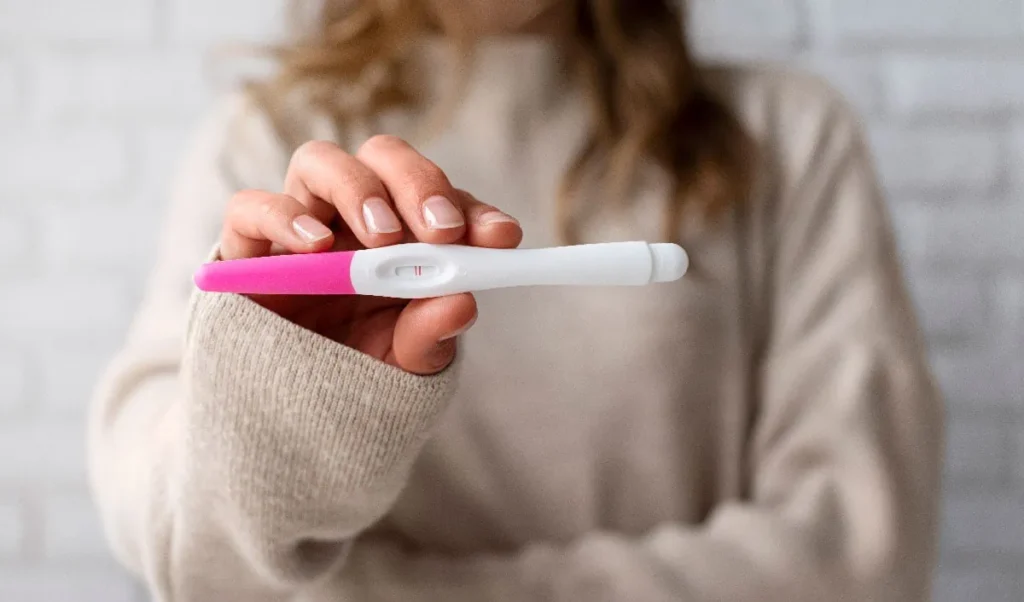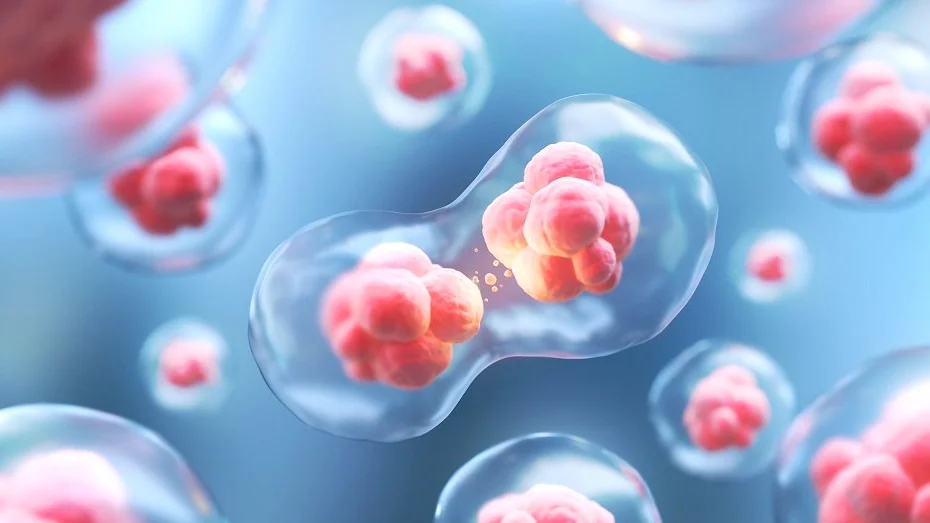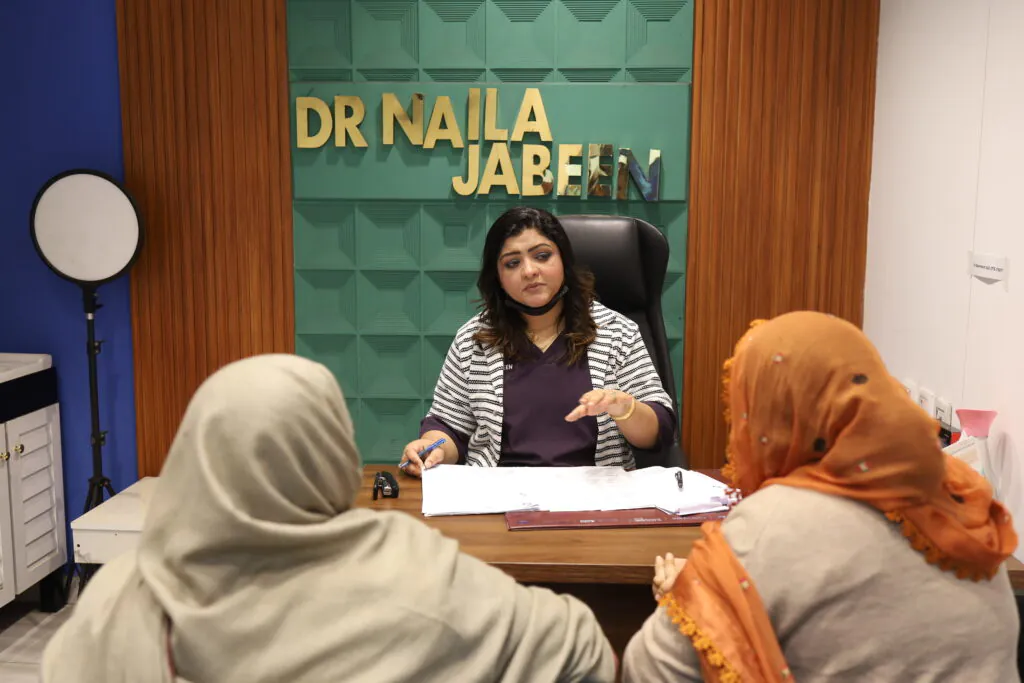

Trying to have a baby can be an emotional journey, especially when pregnancy doesn’t happen as quickly as expected. Many couples in Pakistan hear the same advice from family and friends: “Just relax, and it will happen.” While this comment is usually well-intentioned, it can feel frustrating and dismissive. The truth is that can stress affect fertility? Yes, it can—but not in the way many people think. Dr. Naila Jabeen at AAS Fertility & IVF Center, Jail Road, Lahore, wants couples to understand the real connection between stress and fertility so they can move forward with confidence, knowledge, and hope.
Can Stress Really Affect Fertility? The Science Explained Simply
Yes, ongoing stress can affect fertility in both men and women, but understanding how it works can help you take positive steps without blaming yourself.
Whenever you experience stress, your body produces hormones called cortisol and adrenaline. These are often called the “fight or flight” hormones because they prepare your body to deal with challenges or danger.
When stress continues for weeks or months, these hormones remain elevated. Over time, they can interfere with the hormones responsible for reproduction, including FSH (Follicle Stimulating Hormone), LH (Luteinizing Hormone), oestrogen, and progesterone.
Stress also affects a small but very important area of the brain called the hypothalamus. Think of the hypothalamus as your body’s hormone control centre. It sends signals that help regulate ovulation, menstrual cycles, and many other reproductive functions. When chronic stress disrupts these signals, ovulation may become irregular, making conception more difficult.
For men, long-term stress can reduce testosterone production and affect sperm development.
It is important to remember that stress usually does not cause infertility on its own, but it can make an existing fertility problem more challenging. Managing stress supports your overall reproductive health and may improve your chances of conception alongside proper medical care.
How Stress Affects Women’s Fertility
Stress can influence several parts of a woman’s reproductive system, from ovulation to IVF outcomes. Understanding these effects helps you recognise why emotional wellbeing is an important part of fertility care.
Irregular or Missed Periods
When stress levels remain high, your brain may temporarily interrupt the hormonal signals that trigger ovulation. As a result, some women experience irregular menstrual cycles or even miss periods altogether.
This doesn’t necessarily mean fertility is permanently affected, but it can make predicting ovulation and timing pregnancy much more difficult.
[H3] Hormonal Imbalance
High cortisol levels can reduce the production of important reproductive hormones such as oestrogen and progesterone.
These hormones prepare the uterus for pregnancy. If they become imbalanced, implantation may become more difficult. Women with conditions such as PCOS (Polycystic Ovary Syndrome) may also notice their symptoms becoming worse during periods of prolonged stress.
If fertility problems continue, your doctor may recommend IVF treatment as part of a personalised treatment plan.
Reduced Egg Quality
Stress itself does not instantly damage eggs, but ongoing emotional stress increases oxidative stress inside the body.
Oxidative stress occurs when harmful molecules called free radicals outnumber the body’s natural antioxidants. Over time, this may affect egg quality, particularly in women already experiencing age-related fertility decline.
For women undergoing IVF, healthy eggs play a major role in producing healthy embryos.
Impact on IVF Success
Several studies suggest that extremely high stress levels during fertility treatment may influence egg development, hormone balance, and implantation.
Stress should never make you feel that treatment is hopeless. Emotional support, good communication with your fertility team, and proper counselling are all valuable parts of successful IVF care.
At AAS Fertility & IVF Center, Dr. Naila Jabeen understands that fertility treatment involves both emotional and physical health. Every couple deserves compassionate care throughout the journey.
How Stress Affects Men’s Fertility in Pakistan
Male fertility is often overlooked, but stress affects men just as much as women—and this deserves more attention in Pakistan.
When men experience long-term stress, cortisol levels rise while testosterone levels can decrease. Testosterone is essential for healthy sperm production.
Lower testosterone may lead to:
- Reduced sperm count
- Poor sperm motility (how well sperm swim)
- Abnormal sperm shape (morphology)
Stress also affects sexual health. Many Pakistani men quietly experience performance anxiety while trying to conceive. Concerns about providing for the family, work responsibilities, fertility test results, and pressure from relatives can all contribute to emotional strain.
Unfortunately, many men feel they must hide these worries instead of discussing them openly.
At AAS Fertility, both partners are evaluated because infertility is a shared journey—not a women’s issue alone. If male factor infertility is identified, treatments such as ICSI treatment for male infertility can significantly improve the chances of successful fertilisation.
Seeking help early is a sign of strength, not weakness.
The Pakistani Couple’s Unique Stress — Let’s Talk About It Honestly
Behind every fertility journey is a story that many people never see. Pakistani couples often carry emotional burdens that go far beyond medical treatment.
Soon after marriage, many couples begin hearing the same question:
“Khushkhabri kab de rahe ho?”
Although often asked with love, hearing this repeatedly can become deeply painful when pregnancy doesn’t happen quickly.
Many women also face pressure from extended family or in-laws, sometimes feeling unfairly blamed even before any fertility testing has been done. In reality, infertility can affect both men and women equally.
Financial concerns add another layer of stress. Fertility treatment is an important investment, and couples naturally worry about managing expenses while still hoping for the best possible outcome.
Some husbands feel pressured to keep fertility struggles private because they fear embarrassment or misunderstanding within the family. Others carry the silent burden of male infertility without feeling comfortable discussing it.
Many couples also experience spiritual questions. They may wonder if they are being tested or if they have done something wrong. These feelings are completely understandable.
Dr. Naila Jabeen regularly reminds couples that they are not alone. Fertility challenges are far more common than many people realise, and seeking medical help is not a sign of failure. It is a positive step toward understanding the cause and finding the right treatment.
A caring fertility clinic should support not only your physical health but also your emotional wellbeing throughout the journey.\
Does This Mean Stress Alone Causes Infertility?
The honest answer is no. Stress alone rarely causes complete infertility, but it can make an existing fertility problem more difficult to overcome.
Many couples worry that because they have been anxious, upset, or emotionally exhausted, they have somehow caused their fertility problems. This is simply not true.
Stress can interfere with hormone balance, ovulation, sperm production, and overall wellbeing, but it is usually one piece of a much bigger picture. Medical conditions such as PCOS, blocked fallopian tubes, endometriosis, low ovarian reserve, thyroid disorders, or male factor infertility often require proper diagnosis and treatment.
Reducing stress can improve your physical and emotional health and may support better fertility treatment outcomes, but it is not a substitute for medical evaluation.
If you have been trying to conceive without success, the most important step is to seek professional advice. Dr. Naila Jabeen performs a complete fertility assessment to identify the real cause and recommend the most suitable treatment plan for every couple.
8 Practical Ways to Reduce Stress While Trying to Conceive in Pakistan
While you cannot remove every source of stress from life, small daily habits can make a meaningful difference during your fertility journey.
1. Set Healthy Boundaries with Family
It is perfectly acceptable to tell family members that you will share happy news when the time is right. Protecting your emotional wellbeing is not disrespectful—it is healthy.
2. Find Peace Through Faith
For many Pakistani couples, faith provides comfort during difficult times. Prayer, Quran recitation, dua, and trusting Allah’s plan can reduce anxiety and provide emotional strength throughout fertility treatment.
3. Walk or Exercise Gently
A 30-minute walk most days of the week helps reduce cortisol levels, improves blood circulation, and supports hormone balance. Avoid excessive exercise, which may interfere with ovulation in some women.
4. Improve Your Sleep
Sleep allows your body to regulate hormones naturally. Aim for 7 to 8 hours of quality sleep each night by maintaining a consistent bedtime and reducing screen time before sleeping.
5. Eat a Fertility-Friendly Diet
Choose fresh fruits, vegetables, nuts, whole grains, healthy fats, and lean proteins. Limiting processed foods, sugary drinks, and excessive caffeine supports overall reproductive health.
6. Communicate with Your Spouse
Infertility affects both partners. Honest conversations, emotional support, and making decisions together strengthen your relationship and reduce feelings of loneliness.
7. Take a Break from Social Media
Seeing pregnancy announcements every day can be emotionally overwhelming. It is completely okay to mute accounts or spend less time online while focusing on your own wellbeing.
8. Seek Support from Your Fertility Specialist
At AAS Fertility & IVF Center, Dr. Naila Jabeen believes fertility care goes beyond medical treatment. Every couple receives personalised attention, compassionate guidance, and emotional support throughout the journey because your feelings matter just as much as your treatment.
When Should You See a Fertility Specialist?
Knowing when to seek professional help can save valuable time and improve your chances of success.
If you are under 35 years of age and have been trying to conceive naturally for 12 months without pregnancy, it is time to consult a fertility specialist.
If you are 35 years or older, experts recommend seeking help after 6 months of trying because fertility naturally declines with age.
You should also book an appointment sooner if you have:
- Irregular or absent periods
- PCOS or endometriosis
- Previous miscarriages
- Known male fertility problems
- Severe anxiety related to infertility
If stress has become overwhelming, remember that emotional health is an important part of fertility care.
Book a consultation at AAS Fertility
Meet Dr. Naila Jabeen for a complete fertility assessment and personalised treatment plan.
How AAS Fertility & IVF Center Supports Couples Emotionally
At AAS Fertility & IVF Center, we understand that fertility treatment is about much more than tests and procedures—it is about people, relationships, and hope.
Located on Jail Road, Lahore, AAS Fertility combines advanced reproductive medicine with compassionate patient care.
Dr. Naila Jabeen believes every couple deserves time to ask questions, understand their options, and feel supported throughout treatment. Consultations are never rushed, and every treatment plan is designed according to your medical condition, lifestyle, and personal goals.
Our comprehensive fertility services include:
- IVF (In Vitro Fertilisation)
- IUI (Intrauterine Insemination)
- ICSI
- Micro TESE
- PGT-A
- Ovulation Induction
- Laparoscopy
- Embryo Banking
Whether you are just beginning your fertility journey or have experienced previous unsuccessful treatments, our team is here to support you with honesty, compassion, and modern fertility care.
You do not have to face this journey alone. Contact AAS Fertility & IVF Center today.]
Frequently Asked Questions About Stress and Fertility in Pakistan
Q1. Can stress cause infertility in women?
Stress can affect ovulation and hormone balance, making conception more difficult. However, stress alone rarely causes complete infertility. If pregnancy has not occurred after 12 months of trying, consult a fertility specialist.
Q2. Can stress affect IVF success?
High stress may influence hormone balance and emotional wellbeing during IVF. Managing stress through proper support, healthy habits, and guidance from Dr. Naila Jabeen can improve your overall IVF experience.
Q3. Can stress affect sperm quality in men?
Yes. Chronic stress can reduce testosterone levels, lowering sperm count, motility, and quality. Early assessment and appropriate treatment can help improve male fertility.
Q4. How do I reduce stress while trying to conceive?
Regular exercise, healthy sleep, nutritious food, prayer, open communication with your spouse, and reducing social media use all help lower stress levels. Professional fertility support is also important.
Q5. Is it true that “just relaxing” helps you get pregnant?
Relaxation supports hormone balance and emotional health, but it cannot treat underlying fertility problems. If conception is taking longer than expected, seek a proper fertility evaluation.
Q6. Does stress cause miscarriage in Pakistan?
Normal daily emotional stress is unlikely to directly cause miscarriage. Most miscarriages occur because of chromosomal abnormalities. Speak with your fertility specialist if you have concerns or repeated pregnancy loss.
Conclusion
The journey to parenthood is not always easy, and for many Pakistani couples, it comes with emotional challenges that others may never fully understand. Stress is real, and it can influence fertility in both men and women, but it does not mean your dream of becoming parents is out of reach. With the right diagnosis, compassionate support, and personalised treatment, many couples go on to achieve successful pregnancies. If you are feeling overwhelmed or have been struggling to conceive, take the first step today by booking a consultation with Dr. Naila Jabeen at AAS Fertility & IVF Center, Jail Road, Lahore.
In Summary
Stress can affect fertility by disrupting hormone balance, ovulation, menstrual cycles, and sperm quality. Pakistani couples often experience additional emotional pressures from family expectations, financial concerns, and social stigma, making the fertility journey even more challenging. While stress alone rarely causes infertility, reducing stress supports better reproductive health and improves the overall treatment experience. At AAS Fertility & IVF Center, Dr. Naila Jabeen provides compassionate, personalised fertility care that supports both the physical and emotional wellbeing of every couple