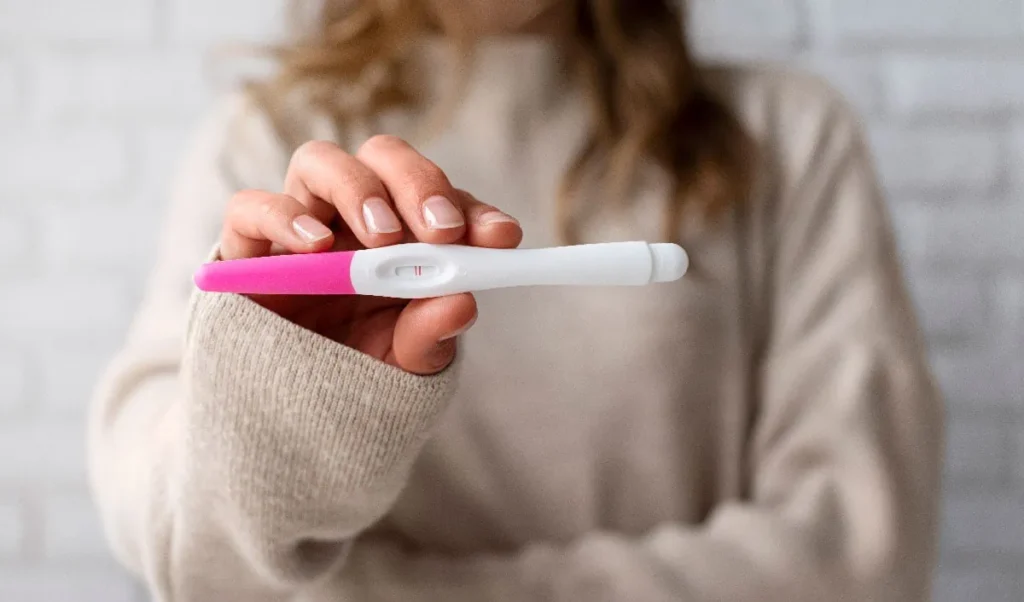
If you’ve been trying to have a baby for several months, you’ve probably asked yourself, “Is something wrong with me?” This is one of the most common concerns couples have, and seeking a fertility test in Pakistan is often the first step toward finding answers. The uncertainty can feel more stressful than the tests themselves. The good news is that most fertility problems can be identified through simple investigations. At AAS Fertility & IVF Center, Jail Road, Lahore, Dr. Naila Jabeen helps couples understand their fertility with clear explanations, modern testing, and personalised treatment plans. Knowing what’s happening is the beginning of your journey toward parenthood.
What is a Fertility Test and Why Do You Need One?
A fertility test is a group of simple medical examinations that help identify whether there is any physical or hormonal reason making pregnancy difficult. It does not automatically mean something is seriously wrong. Instead, it gives your fertility specialist the information needed to recommend the right treatment.
Many people imagine fertility testing to be painful or complicated, but that is rarely the case. Most investigations involve straightforward blood tests, ultrasound scans, or laboratory analysis. Many can be completed within a single visit.
Doctors usually recommend a fertility checkup in Pakistan if a couple has been trying to conceive naturally for 12 months without success. If the woman is 35 years or older, testing is recommended after 6 months because fertility naturally declines with age.
Earlier testing is also advised if you have irregular periods, PCOS, previous pelvic infections, endometriosis, repeated miscarriages, or if the male partner has known sperm problems.
One important point many couples overlook is that fertility is a shared journey. Around half of infertility cases involve male factors, which is why both husband and wife should be evaluated together. Testing both partners saves valuable time and helps your doctor build the most effective treatment plan.
Fertility Tests for Women — Complete Guide
Women’s fertility depends on healthy hormones, good egg quality, open fallopian tubes, and a healthy uterus. Several tests help evaluate each of these areas.
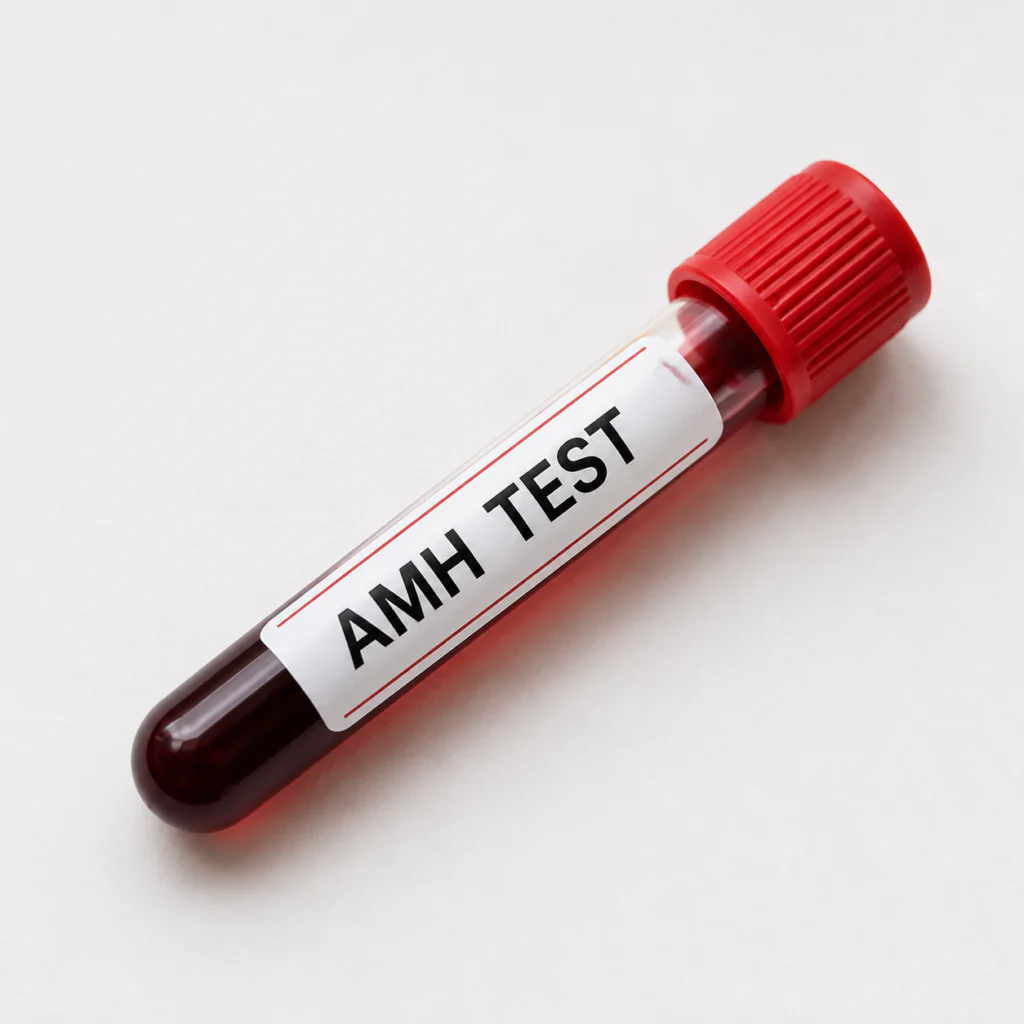
AMH Test (Anti-Mullerian Hormone)
The AMH test is one of the most important fertility blood tests available today. It measures your ovarian reserve, which simply means the number of eggs remaining in your ovaries.
This is a simple blood test that can be performed on almost any day of your menstrual cycle. A low AMH level indicates fewer remaining eggs, but it does not mean pregnancy is impossible. Many women with low AMH still conceive naturally or with fertility treatment.
If your AMH is low, Dr. Naila Jabeen will explain your options based on your age, ultrasound findings, and overall fertility health.
FSH and LH Hormone Test
FSH (Follicle Stimulating Hormone) and LH (Luteinising Hormone) are hormones that control the development and release of eggs during each menstrual cycle.
These blood tests are usually performed on Day 2 or Day 3 of your period.
High FSH levels may suggest reduced ovarian reserve, while an abnormal LH level can indicate conditions such as Polycystic Ovary Syndrome (PCOS). Together, these tests help your doctor understand whether ovulation is occurring normally.
Prolactin Test
Prolactin is a hormone responsible for breast milk production after childbirth. However, when prolactin levels become too high in women who are trying to conceive, ovulation may stop altogether.
High prolactin can cause irregular periods, missed periods, or difficulty becoming pregnant.
Fortunately, this is detected through a simple blood test and is often treated successfully with medication.
Thyroid Function Test (TSH)
The thyroid gland plays a major role in regulating metabolism and reproductive hormones.
Both an underactive thyroid (hypothyroidism) and an overactive thyroid (hyperthyroidism) can affect ovulation, menstrual cycles, and increase the risk of miscarriage.
Thyroid disorders are surprisingly common among Pakistani women and often go undiagnosed for years. A simple TSH blood test is therefore an important part of every fertility evaluation.
Progesterone Test
Progesterone is the hormone that prepares the uterus for pregnancy after ovulation.
This blood test is usually performed around Day 21 of a regular 28-day menstrual cycle.
Low progesterone levels suggest that ovulation may not have occurred properly. Identifying this problem allows your fertility specialist to recommend treatments that encourage healthy ovulation.
Transvaginal Ultrasound (TVS)
A transvaginal ultrasound provides a detailed view of the uterus and ovaries.
Although some women worry about this examination, it is generally quick, safe, and causes only mild discomfort, if any.
This scan helps identify:
- Polycystic ovaries (PCOS)
- Ovarian cysts
- Uterine fibroids
- Endometrial polyps
- Congenital uterine abnormalities
The ultrasound also measures the Antral Follicle Count (AFC), which gives another important estimate of ovarian reserve alongside the AMH test.
At AAS Fertility, TVS is routinely performed as part of a comprehensive fertility workup.
HSG Test (Hysterosalpingogram) — Checking for Blocked Fallopian Tubes
The HSG test is a specialised X-ray that checks whether your fallopian tubes are open.
During the procedure, a special contrast dye is gently injected into the uterus. X-ray images then show whether the dye flows freely through both tubes.
Blocked fallopian tubes are one of the most common causes of infertility in Pakistan, often resulting from previous pelvic infections, untreated tuberculosis, endometriosis, or past surgeries.
Although the HSG may cause mild cramping for a few minutes, it is usually completed within 10–15 minutes.
If both tubes are blocked, pregnancy cannot occur naturally because the egg and sperm cannot meet. In these situations, IVF treatment in Lahore bypasses the fallopian tubes completely, giving couples an excellent chance of achieving pregnancy.
Fertility Tests for Men — Semen Analysis and More
Male fertility is just as important as female fertility. In fact, male factors contribute to infertility in almost half of all couples. Yet many Pakistani men hesitate to undergo testing because they feel embarrassed or worry about being judged.
At AAS Fertility, every test is handled with complete privacy, dignity, and confidentiality.
Semen Analysis — The Most Important Male Fertility Test
A semen analysis is the first and most important fertility investigation for men.
The test measures:
- Sperm count
- Sperm motility (how well sperm swim)
- Sperm morphology (the shape of sperm)
A semen sample is collected privately in a comfortable setting at the clinic and then examined in the laboratory.
Generally, a normal sperm count is considered more than 15 million sperm per millilitre, although fertility depends on several factors beyond count alone.
Many men delay this test because of embarrassment, but there is absolutely no reason to feel ashamed. Male infertility is a medical condition, not a personal failure. The sooner it is diagnosed, the sooner effective treatment can begin.
If sperm quality is significantly reduced, treatments such as ICSI for male infertility can help many couples achieve pregnancy successfully.
Hormone Tests for Men (FSH, LH & Testosterone)
Hormonal problems can reduce sperm production.
Blood tests measuring FSH, LH, and testosterone help identify whether low hormone levels are affecting fertility.
These results guide treatment and help determine whether medication or assisted reproductive techniques may be needed.
Scrotal Ultrasound
A scrotal ultrasound is a painless scan used to detect structural problems affecting the testes.
One of the most common findings is a varicocele, which is an enlargement of the veins surrounding the testicle. Varicoceles can reduce sperm production and quality but are often treatable.
The examination usually takes only 10 to 15 minutes.
Micro TESE — For Men With Zero Sperm Count
If a semen analysis shows azoospermia (zero sperm in the ejaculate), it does not necessarily mean that fatherhood is impossible.
In some men, sperm are still being produced inside the testes but are not reaching the semen.
Micro TESE is an advanced surgical procedure that retrieves sperm directly from the testicular tissue using specialised microscopic techniques.
These sperm can later be used during IVF with ICSI, giving many couples the opportunity to achieve pregnancy.
Signs You Should Get a Fertility Test Now
Knowing when to seek medical advice can save valuable time. Many couples wait longer than necessary, hoping pregnancy will happen naturally. While patience is important, certain signs suggest it is time for a fertility evaluation.
For Women — You Should Consider Fertility Testing If You:
- Have been trying to conceive for 12 months without success (or 6 months if over 35).
- Have irregular, very infrequent, or absent menstrual periods.
- Have been diagnosed with PCOS or endometriosis.
- Have a history of pelvic infections or sexually transmitted infections.
- Have experienced two or more miscarriages.
- Suffer from severe menstrual pain that may indicate endometriosis.
- Notice unexplained weight gain, excessive facial hair, acne, or other hormonal symptoms.
For Men — You Should Consider Fertility Testing If You:
- Have been trying to conceive with your wife for over 12 months.
- Had mumps after puberty, injury, or surgery involving the testicles.
- Experience low sexual desire or erectile difficulties.
- Have a history of infections affecting the reproductive organs.
- Have been diagnosed with a varicocele or hormonal imbalance.
Recognising these signs early allows couples to receive appropriate treatment sooner, often improving the chances of a successful pregnancy.
What Happens During a Fertility Consultation at AAS Fertility Lahore?
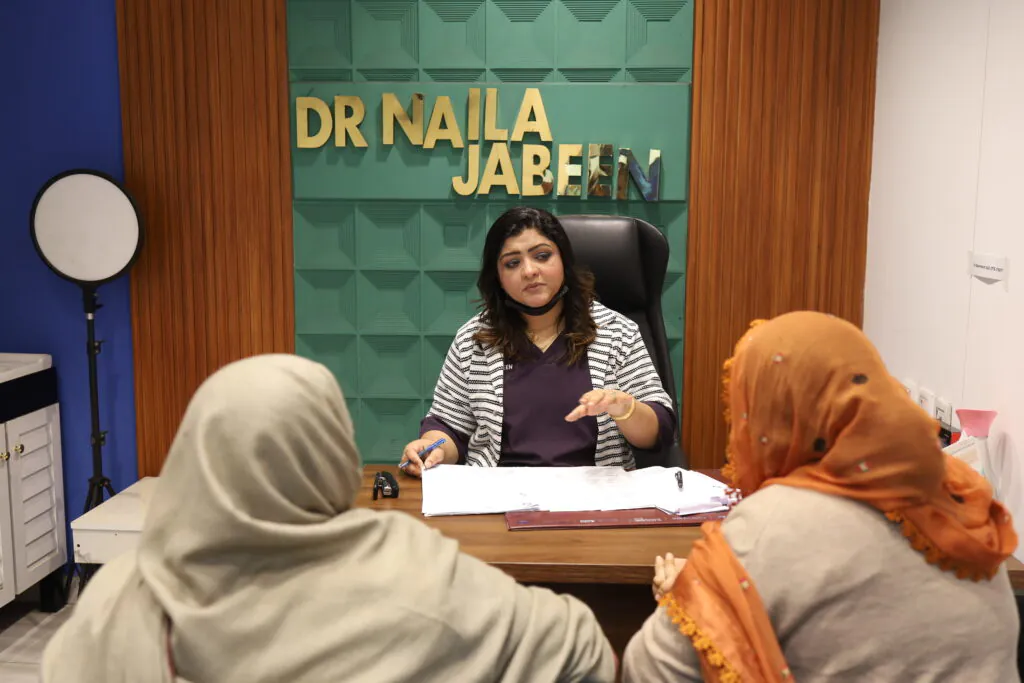
Many couples feel nervous before their first fertility appointment because they do not know what to expect. At AAS Fertility & IVF Center, Jail Road, Lahore, the goal is to make every consultation comfortable, private, and informative. Dr. Naila Jabeen believes that understanding your fertility should never feel overwhelming.
Step 1: Detailed Consultation
Your first appointment begins with a relaxed discussion about your medical history. Dr. Naila Jabeen will ask questions about your menstrual cycle, previous pregnancies, medical conditions, surgeries, medications, lifestyle, and how long you have been trying to conceive. Both husband and wife are encouraged to attend together because fertility is a shared journey.
Step 2: Blood Tests
Based on your history, appropriate hormone tests such as AMH, FSH, LH, thyroid function, prolactin, or testosterone may be recommended. Only the tests that are necessary for your situation are advised.
Step 3: Ultrasound Examination
For women, a transvaginal ultrasound helps assess the ovaries, uterus, and ovarian reserve while checking for conditions such as PCOS, fibroids, or ovarian cysts.
Step 4: Semen Analysis
The husband will usually be advised to undergo a semen analysis in a private and respectful environment. This test provides valuable information about sperm count, movement, and shape.
Step 5: Reviewing the Results
Once all reports are available, Dr. Naila Jabeen explains every result in simple language. You’ll understand what is normal, what needs treatment, and how it affects your chances of pregnancy.
Step 6: Personalised Treatment Plan
Every couple receives a customised treatment plan. Some may only require medication or lifestyle changes, while others may benefit from IUI treatment, IVF treatment in Lahore, ICSI for male infertility, or Micro TESE at AAS Fertility. Throughout the process, your privacy, dignity, and emotional wellbeing remain a priority.
What Do Fertility Test Results Mean?
Receiving fertility test results can feel stressful, but an abnormal report does not mean you cannot become parents. In most cases, the results simply help identify the best treatment pathway.
If your AMH level is low, it means your ovarian reserve is reduced. While the number of eggs may be lower, many women still achieve successful pregnancies through IVF or other fertility treatments. Your age and overall reproductive health are equally important.
If your fallopian tubes are blocked, natural conception becomes difficult because the egg and sperm cannot meet. Fortunately, IVF treatment in Lahore completely bypasses the fallopian tubes, making pregnancy possible.
A low sperm count or poor sperm movement does not automatically prevent fatherhood. ICSI for male infertility allows a single healthy sperm to fertilise an egg, offering excellent success rates.
If a man has zero sperm count (azoospermia), advanced procedures like Micro TESE at AAS Fertility can often retrieve sperm directly from the testes.
Hormonal problems such as thyroid disorders, high prolactin, or ovulation disorders are frequently treated successfully with medication.
Women diagnosed with PCOS often respond well to lifestyle changes, Ovulation Induction, IUI, or IVF, depending on their individual circumstances.
The most important message is simple: almost every fertility problem has a treatment option. A diagnosis is not the end of your journey—it is the beginning of a personalised plan designed to help you achieve pregnancy.
Can You Check Fertility at Home in Pakistan?
Many people search online for home fertility tests, hoping for quick answers. While some home kits are available, they have important limitations.
Home ovulation predictor kits can indicate whether ovulation is likely to occur during a particular cycle. However, they cannot assess egg quality, ovarian reserve, or whether the fallopian tubes are open.
Some online AMH testing kits are also available, but interpreting AMH levels requires professional medical advice. A low or high result alone does not provide the complete picture.
Similarly, home sperm testing kits may estimate sperm count but cannot accurately measure sperm movement (motility), shape (morphology), or detect many important fertility issues.
Although home tests may offer a basic indication, they cannot replace a complete fertility evaluation performed by an experienced fertility specialist.
At AAS Fertility & IVF Center, Dr. Naila Jabeen combines medical history, blood tests, ultrasound, semen analysis, and expert interpretation to provide accurate answers and a personalised treatment plan.
Frequently Asked Questions About Fertility Tests in Pakistan
Q1: What is the first fertility test I should get in Pakistan?
For women, the first evaluation usually includes AMH, FSH, LH, prolactin, thyroid testing, and a transvaginal ultrasound. For men, a semen analysis is the most important first test. Dr. Naila Jabeen recommends investigations based on your personal medical history.
Q2: How much does a fertility test cost in Pakistan?
The cost depends on which tests are needed. Basic hormone tests and semen analysis are generally affordable. At AAS Fertility Lahore, only necessary investigations are recommended to avoid unnecessary expenses.
Q3: What is an AMH test and what does it show?
AMH (Anti-Mullerian Hormone) measures ovarian reserve, which reflects the number of eggs remaining in the ovaries. A low AMH does not mean pregnancy is impossible. Many women with low AMH successfully conceive with appropriate fertility treatment.
Q4: Is semen analysis embarrassing or painful?
Not at all. Semen analysis is painless, completely confidential, and handled with privacy and respect. It is a routine medical investigation that provides essential information about male fertility.
Q5: At what age should I get a fertility test in Pakistan?
If you have been trying to conceive for 12 months without success, fertility testing is recommended regardless of age. Women over 35 should seek evaluation after 6 months. Earlier testing is advised if you have PCOS, irregular periods, or known fertility concerns.
Q6: Can a fertility test tell me if I will get pregnant?
A fertility test cannot guarantee pregnancy. However, it identifies any obstacles affecting conception, allowing Dr. Naila Jabeen to recommend the most effective treatment and maximise your chances of having a healthy baby.
Conclusion
If you have been wondering whether you are fertile, remember that uncertainty is often the hardest part of the journey. A fertility evaluation is not something to fear—it is the first step toward understanding your reproductive health and finding the right path forward. Whether your tests are completely normal or reveal a treatable condition, there are more options available today than ever before. At AAS Fertility & IVF Center, Jail Road, Lahore, Dr. Naila Jabeen provides compassionate, evidence-based care to help couples move forward with confidence. Book your fertility consultation today and take the first step toward building the family you have been dreaming of.
A fertility test in Pakistan is the most important first step for couples who are struggling to conceive. Women may need tests such as AMH, FSH, LH, prolactin, thyroid function, progesterone, transvaginal ultrasound, and HSG, while men usually begin with a semen analysis, followed by hormone testing or Micro TESE if required. At AAS Fertility & IVF Center, Lahore, Dr. Naila Jabeen provides comprehensive fertility testing, clear explanations, and personalised treatment plans to help couples understand their fertility and move confidently toward parenthood.