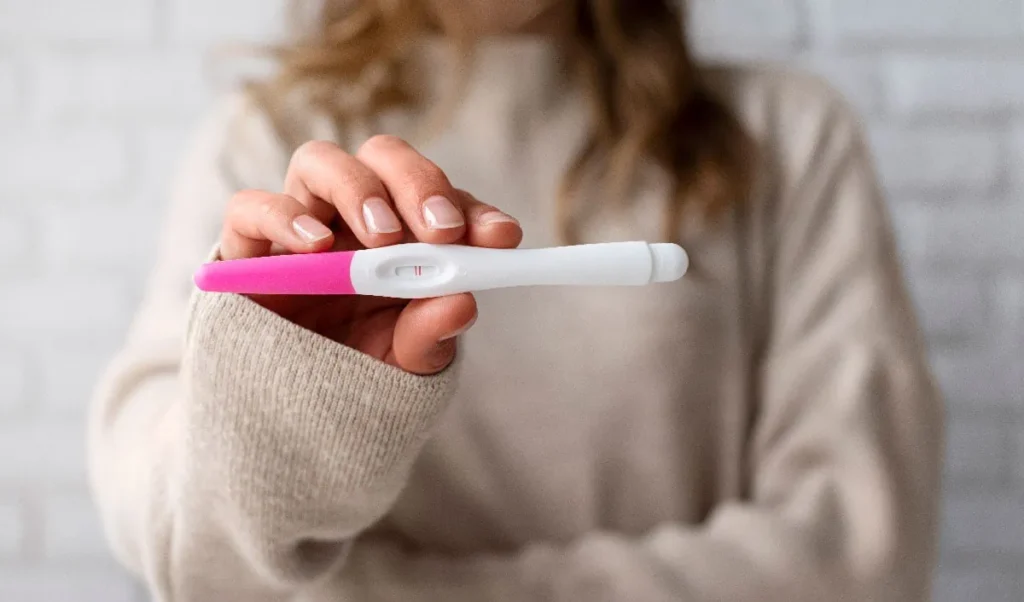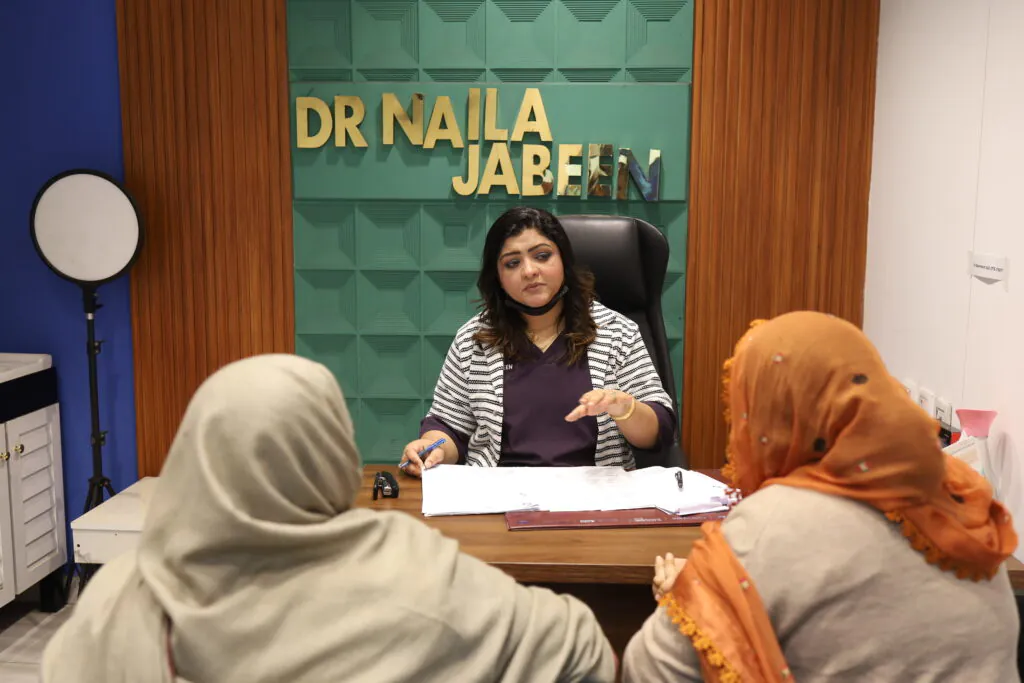
Starting a family after the age of 35 is becoming increasingly common in Pakistan. Many women focus on their education, careers, or personal goals before planning a pregnancy. However, once they decide to have a baby, they often worry that they may have waited too long. The good news is that getting pregnant after 35 in Pakistan is absolutely possible. While fertility naturally changes with age, many women conceive naturally or with fertility treatment. At AAS Fertility & IVF Center, located at Chohan Tower, 16 Jail Road, Shadman II, Lahore, Dr. Naila Jabeen, IVF Specialist, provides personalized fertility care to help women achieve healthy pregnancies with confidence and hope.
Does Fertility Really Decline After 35?
Yes, fertility gradually declines after 35, but it does not suddenly stop, and pregnancy is still very achievable.
Every woman is born with a fixed number of eggs. Unlike men, women do not produce new eggs throughout life. As women age, both the number and quality of their eggs naturally decrease.
During the twenties and early thirties, fertility is generally at its highest. Around the age of 35, this natural decline becomes slightly faster. However, this does not mean that pregnancy is no longer possible.
Research shows that women under the age of 35 have approximately a 25–30% chance of becoming pregnant during each menstrual cycle. For women between 35 and 40 years, the chance naturally decreases to around 15–20% per cycle. Although these numbers are lower, they still represent a meaningful chance of natural conception.
The biggest reason for this decline is that fewer healthy eggs remain in the ovaries. At the same time, the likelihood of chromosomal changes in eggs slowly increases with age.
Fortunately, today’s fertility treatments have made pregnancy after 35 more successful than ever before. Early fertility evaluation, healthy lifestyle choices, and personalized treatment can significantly improve your chances of becoming pregnant.
The most important message to remember is simple:
A decline in fertility does not mean the end of your journey to motherhood.
What Changes in Your Body After 35 That Affects Fertility?
Several natural changes occur after the age of 35, but understanding them allows doctors to create the right fertility plan for you.
Egg Quality Declines
Egg quality naturally changes as women grow older. Healthy eggs are more likely to fertilize successfully and develop into healthy embryos. Although egg quality gradually decreases after 35, many women still produce healthy eggs capable of resulting in a successful pregnancy.
Ovarian Reserve Reduces
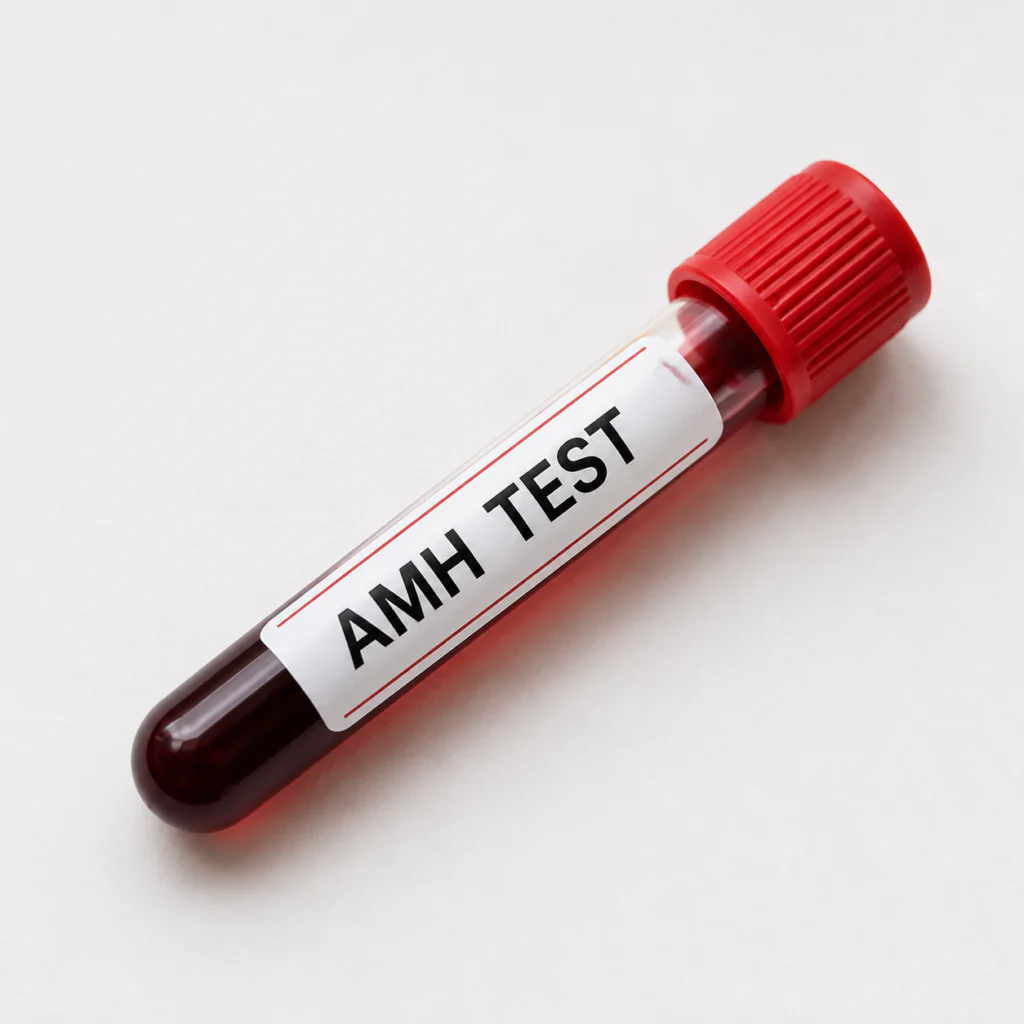
Ovarian reserve refers to the number of eggs remaining in the ovaries. As age increases, ovarian reserve naturally decreases. A simple AMH (Anti-Müllerian Hormone) blood test helps estimate ovarian reserve and is available throughout Pakistan, including at AAS Fertility & IVF Center in Lahore.
Risk of Chromosomal Issues Increases Slightly
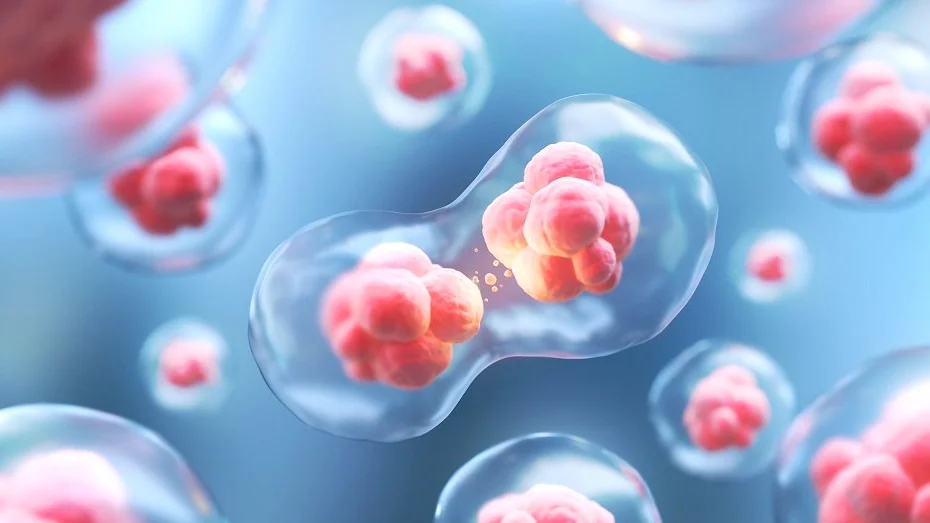
As eggs age, the likelihood of chromosomal abnormalities increases gradually. Chromosomes carry genetic information that helps babies develop normally. Modern fertility treatments, including PGT-A (Preimplantation Genetic Testing for Aneuploidy), can help identify healthy embryos during IVF treatment when appropriate.
Miscarriage Risk Increases
The chance of miscarriage also increases slightly after 35 because chromosomal abnormalities become more common with age. However, many women experience completely healthy pregnancies in their late thirties and early forties with proper prenatal care and fertility support.
Regular fertility assessment allows specialists to identify these factors early and recommend the most suitable treatment.
How to Check Your Fertility After 35 in Lahore, Pakistan
A complete fertility assessment provides a clear picture of your reproductive health and helps identify the best path toward pregnancy.
If you are over 35 and planning a pregnancy, early fertility testing is highly recommended. Rather than relying on age alone, fertility specialists evaluate several important factors together.
The assessment usually includes:
- AMH Blood Test: Measures ovarian reserve by estimating the number of eggs remaining in the ovaries.
- Antral Follicle Count (AFC): A transvaginal ultrasound that counts small follicles in the ovaries.
- FSH (Follicle Stimulating Hormone): Helps assess ovarian function.
- Estradiol Blood Test: Evaluates hormone balance and ovarian activity.
The AMH test cost in Pakistan generally ranges from PKR 4,000 to PKR 8,000, depending on the laboratory.
At AAS Fertility & IVF Center, located on Jail Road, Lahore, Dr. Naila Jabeen combines these investigations with your medical history, menstrual cycle, lifestyle, and reproductive goals to create a personalized fertility plan.
If you are concerned about your fertility, scheduling an early consultation with Dr. Naila Jabeen can provide valuable answers and peace of mind.
Can You Get Pregnant Naturally After 35 in Pakistan?
Yes, many women in Pakistan conceive naturally after the age of 35 and go on to have healthy pregnancies.
Age is only one factor that influences fertility. Your overall health, hormone balance, ovarian reserve, lifestyle, and your partner’s fertility all play important roles.
If your menstrual cycles are regular and there are no underlying fertility problems, natural conception is still very possible during your late thirties.
You can improve your chances by:
- Tracking ovulation to identify your fertile window.
- Maintaining a healthy body weight.
- Eating a balanced, nutrient-rich diet.
- Taking folic acid before pregnancy.
- Exercising regularly without overtraining.
- Managing stress and getting enough sleep.
Because fertility naturally declines with age, doctors recommend seeking medical advice after six months of trying if you are over 35. Waiting for a full year may reduce valuable treatment time.
Early evaluation allows fertility specialists to identify any hidden issues, recommend appropriate treatment, and improve your chances of pregnancy.
If natural conception becomes difficult, advanced treatments such as IVF treatment and IUI treatment can provide additional opportunities for success.
You can also explore our frequently asked questions about IVF to better understand available fertility treatments.
Fertility Treatments Available for Women Over 35 in Lahore
Modern fertility treatments offer hope for many women over 35 by addressing age-related fertility challenges with personalized care.
IUI Treatment — First Line Option
For women with mild fertility concerns, IUI (Intrauterine Insemination) may be recommended as an initial treatment. During IUI, specially prepared sperm is placed directly into the uterus around the time of ovulation, increasing the chances of fertilization. This treatment is available at AAS Fertility & IVF Center and may be suitable for selected patients after a thorough fertility assessment.
IVF Treatment — Most Effective Option After 35
IVF (In Vitro Fertilization) is often the most effective fertility treatment for women over 35, especially when ovarian reserve is reduced or other fertility issues are present. Eggs are collected from the ovaries, fertilized with sperm in a specialized laboratory, and the healthiest embryo is transferred into the uterus. Personalized IVF protocols help improve treatment outcomes while considering each woman’s age and fertility profile.
IVF with PGT-A Genetic Testing — Reduces Miscarriage Risk
For some women, PGT-A (Preimplantation Genetic Testing for Aneuploidy) may be recommended during IVF. This advanced test checks embryos for the correct number of chromosomes before transfer, helping identify embryos with the best chance of implantation and reducing the risk of miscarriage related to chromosomal abnormalities.
Egg Freezing — For Women Not Ready Yet
Women who wish to delay pregnancy for personal or medical reasons may consider egg freezing. Healthy eggs are collected and frozen for future use, preserving fertility while women focus on other life goals. This option provides greater flexibility for family planning and is available at AAS Fertility & IVF Center.
IVF Success Rate After 35 in Pakistan — What to Expect
Although age influences IVF success, many women over 35 achieve successful pregnancies with personalized treatment and expert fertility care.
One of the most common concerns among women considering IVF is whether age will significantly reduce their chances of success. While fertility naturally changes over time, modern IVF techniques continue to help thousands of women become mothers after the age of 35.
Generally, IVF success rates vary depending on age, egg quality, overall reproductive health, and the experience of the fertility clinic.
The average IVF success rates are:
- Women aged 35–37 years: approximately 30–40% per treatment cycle
- Women aged 38–40 years: approximately 20–30% per treatment cycle
- Women over 40 years: approximately 10–15% per treatment cycle
These figures are general estimates and every patient is unique.
Several factors can improve IVF outcomes, including healthy egg quality, a receptive uterus, good embryo quality, and treatment by an experienced fertility specialist. Advanced technologies such as PGT-A (Preimplantation Genetic Testing for Aneuploidy) can also help identify chromosomally healthy embryos, increasing the likelihood of implantation while reducing the risk of miscarriage in selected patients.
At AAS Fertility & IVF Center, Dr. Naila Jabeen develops personalized IVF protocols for women over 35, ensuring treatment is tailored according to ovarian reserve, hormone levels, medical history, and fertility goals. This individualized approach helps maximize every patient’s chance of success.
Lifestyle Tips to Boost Fertility After 35 in Pakistan
Healthy daily habits cannot stop the natural ageing process, but they can improve your reproductive health and prepare your body for pregnancy.
Start Prenatal Vitamins
Begin taking prenatal vitamins before trying to conceive. Folic acid supports healthy fetal development, while Vitamin D plays an important role in hormone balance and reproductive health.
Eat Fertility-Friendly Foods
Choose a balanced diet rich in leafy green vegetables, berries, citrus fruits, nuts, seeds, fish, eggs, legumes, and whole grains. These foods provide antioxidants that help protect eggs from oxidative stress.
Avoid Smoking
Smoking accelerates the decline in egg quality and ovarian reserve. Quitting smoking is one of the most beneficial lifestyle changes for women planning pregnancy.
Reduce Chai and Caffeine
Tea and coffee can be enjoyed in moderation, but excessive caffeine intake should be avoided. Limiting caffeine supports overall reproductive health and healthy pregnancy planning.
Exercise Regularly
Moderate physical activity such as walking, yoga, swimming, or cycling helps maintain a healthy weight and supports hormone balance. However, excessive exercise may negatively affect ovulation in some women.
Manage Stress
Long-term stress increases cortisol levels, which can interfere with reproductive hormones. Relaxation techniques, hobbies, family support, and mindfulness can help improve emotional well-being during your fertility journey.
Get Enough Sleep
Aim for 7–8 hours of quality sleep each night. Many reproductive hormones are regulated while you sleep, making good sleep an important part of fertility care.
Small lifestyle improvements may not reverse age-related fertility changes, but they can create the healthiest possible environment for conception and fertility treatment.
Why Choose AAS Fertility & IVF Center for Fertility Treatment After 35 in Lahore?
Choosing the right fertility clinic is one of the most important decisions for women trying to conceive after 35.
At AAS Fertility & IVF Center, women receive compassionate, evidence-based fertility care tailored to their individual needs. Led by Dr. Naila Jabeen, an experienced IVF Specialist, the clinic combines advanced reproductive technology with personalized treatment plans designed specifically for women over 35.
Conveniently located at Chohan Tower, 16 Jail Road, Shadman II, Lahore, AAS Fertility has earned the trust of couples across Pakistan through ethical medical practices, transparent communication, and patient-centered care.
The center offers a comprehensive range of fertility services, including:
- IVF treatment
- IUI treatment
- ICSI
- PGT-A
- Embryo Banking
- Ovulation Induction
- Laparoscopy
- Micro TESE
- Comprehensive fertility testing
Every treatment plan is carefully personalized according to the patient’s age, ovarian reserve, medical history, and reproductive goals. This individualized approach allows specialists to recommend the most appropriate treatment while maximizing the chances of pregnancy.
Recognized as one of the best IVF & IUI centers in Pakistan, AAS Fertility remains committed to helping women build healthy families through advanced fertility care and compassionate support.
Book your free consultation with Dr.https://aasfertilityivfcenter.com/dr-naila-jabeen/ Naila Jabeen today —
Frequently Asked Questions About Getting Pregnant After 35 in Pakistan
Q: Can I get pregnant naturally after 35 in Pakistan?
A: Yes. Many women conceive naturally after 35. If you’ve been trying for six months without success, consult a fertility specialist for a complete evaluation.
Q: What is the best fertility treatment for women over 35 in Lahore?
A: IVF is often the most effective treatment for women over 35, depending on the cause of infertility. Dr. Naila Jabeen at AAS Fertility offers personalized fertility treatment plans.
Q: What tests should a woman over 35 do to check fertility in Pakistan?
A: Common fertility tests include the AMH blood test, Antral Follicle Count (AFC) ultrasound, FSH, and estradiol hormone tests. These assessments are available at AAS Fertility & IVF Center.
Q: What is the IVF success rate for women over 35 in Pakistan?
A: IVF success is approximately 30–40% for women aged 35–37 and 20–30% for women aged 38–40. Individual success depends on several medical factors.
Q: When should a woman over 35 see a fertility specialist in Lahore?
A: Women over 35 should seek fertility evaluation after six months of trying to conceive, or earlier if they have irregular periods, PCOS, endometriosis, or previous fertility concerns.
Q: Does age affect IVF success in Pakistan?
A: Yes, age influences IVF success because egg quality gradually declines. However, personalized treatment protocols at AAS Fertility help optimize pregnancy chances for women of all ages.
Conclusion
Getting pregnant after 35 is more common today than ever before, and many women across Pakistan have healthy pregnancies naturally or through fertility treatment. While age may influence fertility, it should never take away hope. Early fertility assessment, healthy lifestyle choices, and personalized medical care can significantly improve your chances of becoming a mother.
In Summary: Fertility gradually declines after 35, but pregnancy is still very possible. Simple fertility tests such as AMH, AFC, and hormone evaluations help identify the best treatment options. Modern treatments including IVF, IUI, and PGT-A have helped countless women over 35 achieve successful pregnancies. Early consultation with an experienced fertility specialist offers the best opportunity to plan your journey with confidence.