Trying to conceive can be both exciting and emotional, especially when pregnancy does not happen as quickly as expected. Many couples across Pakistan are surprised to learn that a woman is naturally fertile for only a few days during each menstrual cycle. Understanding these fertile days, known as the fertility window, can significantly improve the chances of getting pregnant naturally.
If you have been wondering what is fertility window, when ovulation happens, or how to identify your most fertile days, this guide will answer your questions in simple language. At AAS Fertility & IVF Center, the best fertility center in Lahore, Dr. Naila Jabeen helps couples understand their fertility and provides personalized treatment plans for those facing conception challenges.
What Is the Fertility Window?
The fertility window is the short period during a woman’s menstrual cycle when pregnancy is most likely to occur.
Many people believe pregnancy can happen at any time during the month. However, this is a common misconception. A woman can only conceive during a limited number of days in each menstrual cycle.
The fertility window usually includes the five days before ovulation, the day of ovulation, and sometimes the following 24 hours after the egg is released. This gives approximately six fertile days in total.
The reason for this timing is simple. Sperm can survive inside the female reproductive tract for up to five days under healthy conditions, while the egg remains alive for only about 12 to 24 hours after ovulation. Therefore, if sperm are already present when the egg is released, fertilization is much more likely.
Understanding your fertility window helps couples plan intercourse during the days when the chances of pregnancy are highest. Consequently, many couples conceive naturally simply by identifying the right timing.
For women with irregular cycles or fertility concerns, identifying the fertility window may require additional guidance from a fertility specialist.
What Is Ovulation and Why Is It Important?
Ovulation is the process in which one of the ovaries releases a mature egg that is ready for fertilization.
Each month, hormones prepare several follicles inside the ovaries. Usually, only one follicle becomes fully mature and releases an egg. The egg then enters the fallopian tube, where it waits to meet sperm.
If fertilization occurs, pregnancy begins. Otherwise, the egg naturally dissolves, and menstruation starts about two weeks later.
In a regular 28-day menstrual cycle, ovulation often occurs around Day 14. However, not every woman has a 28-day cycle. Some women ovulate earlier, while others ovulate later. In fact, ovulation can even vary from month to month due to stress, illness, travel, weight changes, or hormonal conditions.
Because ovulation determines when the egg is available, it also determines the fertility window. Missing ovulation by only one or two days can significantly reduce the chance of conception during that cycle.
Therefore, understanding ovulation is one of the most important steps for couples trying to conceive naturally.
Why Is the Fertility Window So Important?
Knowing your fertility window allows you to focus on the days when pregnancy is most likely to happen.
Many couples have regular intercourse throughout the month without realizing that timing plays a major role in conception. Since the egg survives for only about one day, having intercourse outside the fertile window greatly reduces the chances of pregnancy.
Tracking fertile days offers several important benefits:
- It increases the likelihood of natural conception.
- It helps couples understand their menstrual cycle better.
- It reduces unnecessary stress caused by guessing ovulation dates.
- It supports fertility treatments such as IVF treatment and IUI treatment by improving cycle monitoring.
- It helps doctors evaluate whether ovulation is occurring normally.
Furthermore, understanding your fertility window can help identify potential fertility problems early. For example, if you consistently fail to detect ovulation or have highly irregular cycles, it may indicate conditions such as PCOS, thyroid disorders, or hormone imbalances that require medical attention.
At AAS Fertility & IVF Center, specialists use advanced fertility assessments to help women accurately identify ovulation and improve their chances of pregnancy.
When Is Your Fertility Window?
The timing of your fertility window depends on the length of your menstrual cycle rather than the calendar date.
Every woman’s cycle is different. While many women have a 28-day cycle, others may have shorter or longer cycles. As a result, ovulation and the fertile window also vary.
The table below provides a general guide.
| Menstrual Cycle Length | Estimated Ovulation Day | Estimated Fertility Window |
|---|---|---|
| 21 Days | Day 7 | Days 2–7 |
| 24 Days | Day 10 | Days 5–10 |
| 28 Days | Day 14 | Days 9–14 |
| 30 Days | Day 16 | Days 11–16 |
| 32 Days | Day 18 | Days 13–18 |
| 35 Days | Day 21 | Days 16–21 |
These dates are only estimates. Many factors can influence ovulation, including:
- Emotional stress
- Poor sleep
- Rapid weight changes
- PCOS
- Thyroid disorders
- Certain medications
- Intense physical exercise
Therefore, women should avoid relying only on calendar calculations. Instead, combining several ovulation tracking methods usually provides much better accuracy.
How Can You Tell That You Are in Your Fertility Window?
Your body often provides natural signs that ovulation is approaching. Learning to recognize these signs can help you identify your most fertile days more accurately.
Cervical Mucus Changes
One of the earliest signs is a change in cervical mucus. As ovulation approaches, the mucus becomes clear, slippery, and stretchy, similar to raw egg white. This environment helps sperm travel more easily toward the egg.
Mild Pelvic Pain
Some women experience a mild pain or slight cramp on one side of the lower abdomen during ovulation. This is known as Mittelschmerz or ovulation pain. Although not every woman notices it, it can be a useful indicator.
Increase in Sexual Desire
Hormonal changes often increase libido during the fertile window. This natural response helps improve the chances of conception.
Breast Tenderness
Hormonal fluctuations before and after ovulation may cause the breasts to feel swollen or tender. While this symptom alone does not confirm ovulation, it often occurs alongside other fertility signs.
Slight Rise in Basal Body Temperature
Basal Body Temperature (BBT) refers to your body’s temperature immediately after waking up.
After ovulation, progesterone causes the body’s resting temperature to increase slightly by approximately 0.3°C to 0.5°C. Recording this temperature every morning over several months can help identify ovulation patterns.
Positive Ovulation Test Kit
Ovulation predictor kits detect the surge of Luteinizing Hormone (LH) in urine.
An LH surge usually occurs about 24 to 36 hours before ovulation, making these kits one of the most reliable home methods for predicting fertile days.
Women who have irregular menstrual cycles often benefit from combining ovulation tests with ultrasound monitoring for greater accuracy.
How Can You Calculate Your Fertility Window?
Calculating your fertility window can help improve your chances of getting pregnant by identifying the days when conception is most likely.
Although no single method is 100% accurate for every woman, combining different tracking techniques provides the most reliable results. Women with regular menstrual cycles often find it easier to predict ovulation, while those with irregular periods may need additional monitoring.
Calendar Method
The calendar method estimates ovulation based on the length of your menstrual cycle. For a regular 28-day cycle, ovulation usually occurs around Day 14. However, this method works best when your cycle is consistent every month.
Basal Body Temperature (BBT)
Recording your basal body temperature every morning before getting out of bed can help identify ovulation patterns. A slight increase in temperature usually occurs after ovulation because of rising progesterone levels. Although BBT confirms that ovulation has already happened, tracking it over several months helps predict future cycles more accurately.
Ovulation Predictor Kits (OPKs)
Ovulation test kits detect the surge of luteinizing hormone (LH), which usually occurs 24 to 36 hours before ovulation. These kits are easy to use and are one of the most accurate home methods for identifying fertile days.
Monitoring Cervical Mucus
Healthy cervical mucus becomes clear, slippery, and stretchy during the fertile window. This change creates an ideal environment for sperm to survive and move toward the egg.
Ultrasound Follicle Monitoring
For women receiving fertility treatment or experiencing irregular cycles, ultrasound monitoring offers the most accurate way to identify ovulation. At AAS Fertility & IVF Center, specialists carefully monitor follicle growth to determine the best time for natural conception, IUI treatment, or IVF treatment.
Can You Get Pregnant Outside the Fertility Window?
Pregnancy outside the fertility window is highly unlikely because an egg survives for only a short period after ovulation.
The egg remains capable of fertilization for approximately 12 to 24 hours after it is released. After that time, it naturally breaks down if fertilization has not occurred.
Similarly, sperm can survive inside the female reproductive tract for up to five days under favorable conditions. Therefore, pregnancy usually occurs only if intercourse takes place during the five days before ovulation or on the day of ovulation itself.
Some women believe they conceived outside their fertile window. However, in most cases, ovulation occurred earlier or later than expected due to natural cycle variations.
Because menstrual cycles are not always perfectly regular, accurately identifying ovulation is much more helpful than simply counting calendar days.
What Can Affect Your Fertility Window?
Several physical, hormonal, and lifestyle factors can influence ovulation and change the timing of your fertility window.
Polycystic Ovary Syndrome (PCOS)
PCOS is one of the most common causes of irregular ovulation. Women with PCOS may skip ovulation entirely in some cycles, making pregnancy more difficult without treatment.
Stress
Long-term emotional stress can interfere with hormone production and delay ovulation. Managing stress through healthy lifestyle habits may help regulate menstrual cycles.
Thyroid Disorders
Both an overactive and underactive thyroid can affect hormone balance and disrupt ovulation.
Body Weight
Being significantly underweight or overweight may affect estrogen production, leading to irregular menstrual cycles and unpredictable ovulation.
Smoking
Smoking damages reproductive health in both men and women. It can reduce egg quality, affect ovarian reserve, and lower the chances of natural conception.
Poor Sleep
Sleep plays an important role in regulating reproductive hormones. Consistently poor sleep may contribute to irregular cycles over time.
Age
As women grow older, both the number and quality of eggs naturally decline. Fertility gradually decreases after the age of 35, making timely evaluation increasingly important.
What If You Have Irregular Periods?
Irregular periods can make it difficult to predict your fertility window, but pregnancy is still possible with the right evaluation and treatment.
Women with irregular cycles often ovulate unpredictably, making it challenging to identify fertile days using a calendar alone.
Common causes include:
- PCOS
- Thyroid disorders
- Hormonal imbalance
- Premature ovarian insufficiency
- Excessive exercise
- Obesity
- Stress
Fortunately, modern fertility testing can accurately determine whether ovulation is occurring.
At AAS Fertility & IVF Center, Dr. Naila Jabeen may recommend:
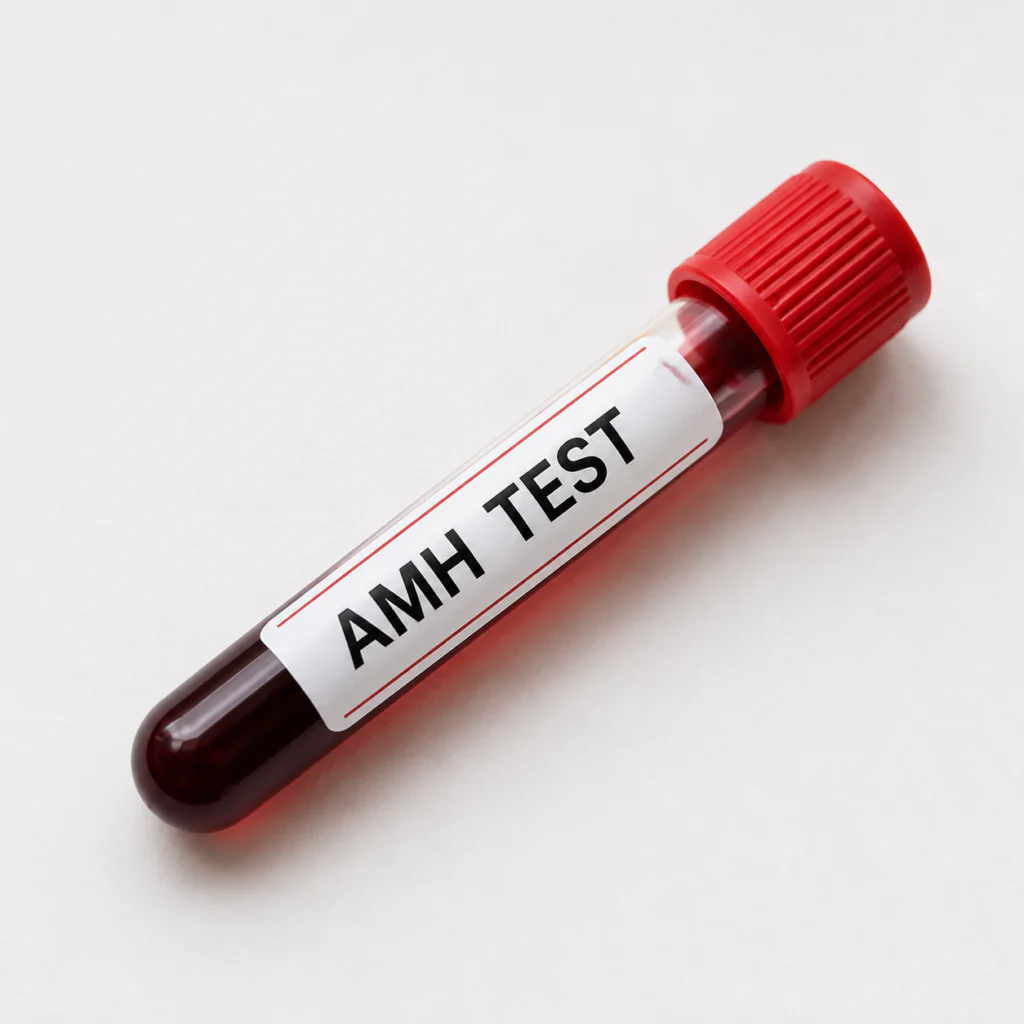
- AMH (Anti-Müllerian Hormone) blood test
- Antral Follicle Count (AFC) ultrasound
- Hormonal blood tests
- Ovulation monitoring
- Comprehensive fertility assessment
These investigations help identify the underlying cause and allow doctors to create a personalized treatment plan that improves the chances of pregnancy.
When Should You See a Fertility Specialist?
Knowing your fertility window is helpful, but professional guidance becomes important when pregnancy does not happen despite proper timing.
You should consider visiting a fertility specialist if:
- You are under 35 and have been trying to conceive for more than 12 months.
- You are over 35 and have been trying for more than six months.
- Your menstrual cycles are irregular or absent.
- You have been diagnosed with PCOS or endometriosis.
- You have experienced multiple miscarriages.
- Your partner has known male fertility concerns.
- You have undergone previous fertility treatments without success.
Early evaluation often identifies treatable conditions before they become more serious. Therefore, seeking medical advice sooner rather than later can improve treatment outcomes.
Why Choose AAS Fertility & IVF Center in Lahore?
Choosing the right fertility clinic can make a significant difference in your fertility journey.
AAS Fertility & IVF Center is recognized as one of the best fertility centers in Lahore, providing advanced reproductive care with honesty, compassion, and evidence-based treatment.
Under the leadership of Dr. Naila Jabeen, patients receive personalized fertility evaluations and treatment plans based on their unique medical history and reproductive goals.
Located at Chohan Tower, 16 Jail Road, Shadman II, Lahore, the center offers comprehensive fertility services, including:
- IVF (In Vitro Fertilization)
- IUI (Intrauterine Insemination)
- ICSI
- Ovulation Induction
- Micro TESE
- Embryo Banking
- PGT-A Genetic Testing
- Laparoscopy
- Fertility Assessment for Men and Women
Whether you are trying to conceive naturally or considering assisted reproductive treatment, the experienced team at AAS Fertility & IVF Center is committed to supporting you at every stage of your journey.
Book a free consultation today and take the first step toward parenthood with expert guidance and compassionate care.
Frequently Asked Questions About the Fertility Window
Q: What is the fertility window?
A: The fertility window is the six-day period during a woman’s menstrual cycle when pregnancy is most likely. It includes the five days before ovulation and the day of ovulation.
Q: How many fertile days does a woman have each month?
A: Most women have approximately six fertile days during each menstrual cycle, although the exact timing depends on when ovulation occurs.
Q: Can I get pregnant five days before ovulation?
A: Yes. Because sperm can survive for up to five days inside the reproductive tract, intercourse during this time may still result in pregnancy.
Q: How do I know if I am ovulating?
A: Signs of ovulation include clear stretchy cervical mucus, mild pelvic pain, a positive ovulation test, increased sexual desire, and a slight rise in basal body temperature.
Q: Can irregular periods affect my fertility window?
A: Yes. Irregular cycles often make ovulation unpredictable, making it harder to identify fertile days. A fertility assessment can help determine your ovulation pattern.
Q: When should I visit a fertility specialist?
A: If you are under 35 and have tried for one year without pregnancy, or over 35 and have tried for six months, you should consult a fertility specialist.
Conclusion
Understanding what the fertility window is can significantly improve your chances of conceiving naturally. Since pregnancy is possible only during a few days of each menstrual cycle, recognizing ovulation signs and tracking your fertile days can help you plan more effectively. However, if pregnancy does not occur despite proper timing, professional evaluation can identify underlying fertility issues and provide the right treatment.
At AAS Fertility & IVF Center, Dr. Naila Jabeen and her experienced team offer personalized fertility assessments, advanced diagnostic services, and evidence-based treatments to help couples achieve their dream of parenthood. Whether you are planning your first pregnancy or facing fertility challenges, expert guidance can make all the difference.