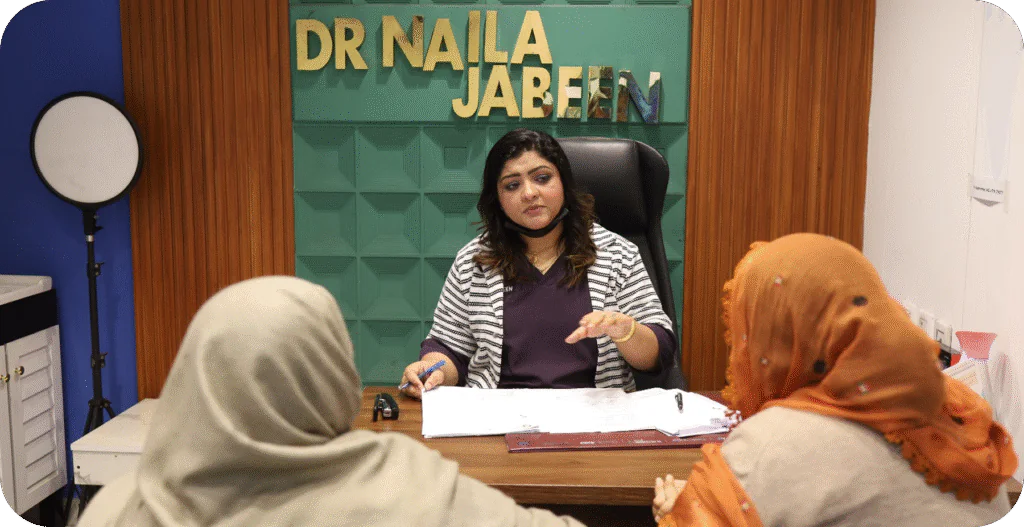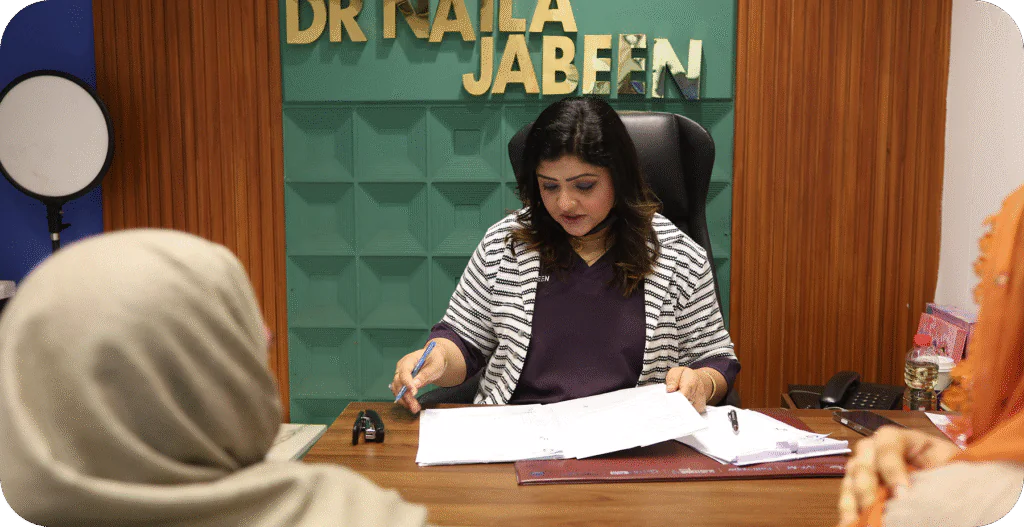


Parenthood & Fertility Insights
Welcome to Parenthood & Fertility Insights by AAS Fertility & IVF Center Lahore, your trusted source for expert articles, helpful tips, and the latest updates in fertility care. Our blogs are thoughtfully crafted to educate, inspire, and support you at every step of your parenthood journey. From IVF guidance and fertility wellness advice to real stories of hope, AAS Fertility & IVF Center shares knowledge that empowers you to make informed, confident decisions on your path to starting a family.

Hundreds of couples have put their trust in us for kind treatment, successful fertility outcomes, and advice on becoming parents.

Best Consultant Gynaecologist and IVF Specialist in Pakistan
Choosing the right consultant gynaecologist and IVF specialist is one of the most important decisions for women and couples facing fertility challenges. Medical expertise, clinical experience, compassionate care, and honest guidance all play a major role in successful fertility treatment outcomes.
In Pakistan, Dr. Naila Jabeen is widely recognized as one of the leading consultant gynaecologists and IVF specialists, known for her patient-centered approach, ethical medical practices, and consistently trusted reproductive care.
At AAS Fertility & IVF Center, patients receive advanced fertility treatment combined with compassionate support and personalized care throughout every stage of their journey toward parenthood.
Experience That Builds Patient Trust
Dr. Naila Jabeen brings more than 10 years of clinical experience in gynaecology and fertility treatment. Throughout her medical career, she has worked with women facing a wide range of reproductive health concerns, from routine gynaecological care to complex infertility cases.
Her extensive experience allows her to evaluate each case carefully and recommend treatment plans that are medically appropriate, personalized, and thoughtfully structured.
In addition, her years of practical experience in reproductive medicine help patients feel confident, informed, and supported during fertility treatment. Patients appreciate her calm communication style and her ability to explain medical conditions clearly and honestly.
According to AAS Fertility & IVF Center, the clinic is led by Dr. Naila Jabeen and focuses on combining compassionate care with advanced reproductive technologies.
Expertise as an IVF Specialist
As a highly experienced In Vitro Fertilization Specialist, Dr. Naila Jabeen continues to stay updated with the latest advancements in reproductive medicine and assisted fertility treatment.
She specializes in modern fertility procedures such as:
- In Vitro Fertilization
- Intrauterine Insemination
- ICSI treatment
- Ovulation induction
- Fertility monitoring
- Hormonal fertility management
- Advanced reproductive evaluation
Furthermore, her careful monitoring, evidence-based treatment planning, and attention to detail help improve patient safety and fertility outcomes.
At AAS Fertility & IVF Center, fertility treatments are designed to combine advanced reproductive technology with personalized patient care.
Patient-Centered Gynaecological Care
Effective fertility treatment begins with understanding the patient as an individual rather than simply focusing on medical reports alone.
Dr. Naila Jabeen believes that listening carefully to patient concerns is an essential part of quality medical care. Therefore, she takes time to understand each patient’s:
- Medical history
- Reproductive health concerns
- Emotional challenges
- Fertility goals
- Previous treatment experiences
Additionally, she explains diagnoses, procedures, medications, and treatment plans using clear and simple language. Because of this patient-focused approach, individuals and couples often feel more comfortable, informed, and emotionally supported throughout treatment.
Moreover, open communication helps reduce confusion and anxiety during emotionally sensitive fertility journeys.
Consistent Results and Professional Excellence
Over the years, Dr. Naila Jabeen has helped many women and couples move closer toward achieving their reproductive goals.
Her dedication to clinical excellence, ethical treatment, and compassionate patient care has earned her a strong professional reputation among patients and within the fertility community.
Patients trust her because she focuses on:
- Honest fertility guidance
- Ethical treatment recommendations
- Personalized fertility planning
- Long-term reproductive health
- Careful treatment monitoring
- Compassionate communication
This consistency in patient care and professional standards is one of the key reasons why many individuals consider her among the best IVF specialists in Pakistan.
Ethical and Compassionate Fertility Treatment
Fertility treatment often involves emotional, physical, and mental challenges. Therefore, compassionate support becomes just as important as medical expertise.
Dr. Naila Jabeen is widely respected for her honest communication, ethical medical decisions, and supportive approach toward patients.
Instead of creating unrealistic expectations, she focuses on:
- Clear fertility evaluation
- Transparent consulting
- Realistic treatment planning
- Honest success discussions
- Patient education
- Emotional reassurance
Consequently, patients feel more confident and emotionally prepared throughout their fertility journey.
According to AAS Fertility & IVF Center Team Information, the clinic emphasizes compassionate care, personalized support, and trust throughout every stage of treatment.
Advanced Fertility Care at AAS Fertility & IVF Center
At AAS Fertility & IVF Center, patients benefit from advanced reproductive technologies, modern laboratory facilities, and individualized fertility treatment plans.
The clinic provides fertility services including:
- IVF treatment
- IUI treatment
- ICSI treatment
- PGS / PGT-A testing
- Ovulation induction
- Fertility consultations
- Hormonal evaluation
- Male and female fertility assessment
Additionally, the clinic focuses on combining modern fertility care with ethical medical practices and emotional patient support.
The center is recognized for providing patient-first care, transparent consulting, and evidence-based fertility treatment in Lahore and across Pakistan.
Why Patients Trust Dr. Naila Jabeen
Many patients trust Dr. Naila Jabeen because of her professionalism, experience, and compassionate fertility care approach.
Patients often appreciate her for:
- Clear communication
- Ethical treatment practices
- Personalized care
- Emotional support
- Fertility expertise
- Honest medical guidance
- Respectful patient relationships
Furthermore, her commitment to continuous learning and modern reproductive medicine allows her to provide updated fertility solutions based on current medical standards.
You can learn more about her professional profile through Dr. Naila Jabeen’s Profile.

Importance of Choosing the Right IVF Specialist
Selecting the right fertility specialist can significantly affect both treatment experience and overall confidence during the fertility journey.
A qualified and experienced IVF specialist helps patients by:
- Identifying underlying fertility concerns
- Creating personalized treatment plans
- Monitoring treatment safely
- Explaining procedures clearly
- Providing emotional reassurance
- Supporting informed decision-making
Therefore, choosing an experienced fertility expert with ethical values and patient-focused care is extremely important for long-term reproductive health and treatment success.
Frequently Asked Questions (FAQs)
Who is Dr. Naila Jabeen?
Dr. Naila Jabeen is a consultant gynaecologist and IVF specialist known for her experience in fertility treatment and reproductive medicine in Pakistan.
What fertility treatments does Dr. Naila Jabeen provide?
She provides fertility treatments including IVF, IUI, ovulation induction, fertility monitoring, hormonal evaluation, and reproductive care for infertility patients.
Why is patient-centered fertility care important?
Patient-centered fertility care helps patients feel informed, emotionally supported, and actively involved in treatment decisions throughout their fertility journey.
Where does Dr. Naila Jabeen practice?
She practices at AAS Fertility & IVF Center in Lahore, Pakistan.
Why do patients trust Dr. Naila Jabeen?
Patients trust her because of her extensive experience, ethical approach, compassionate communication, and personalized fertility care.
Conclusion
Choosing the right fertility specialist is one of the most important steps for couples facing reproductive challenges. Dr. Naila Jabeen continues to be recognized for her clinical expertise, compassionate patient care, and ethical fertility treatment approach.
At AAS Fertility & IVF Center, patients receive advanced reproductive care, personalized fertility treatment, and emotional support designed to help them move forward with confidence and hope toward parenthood.
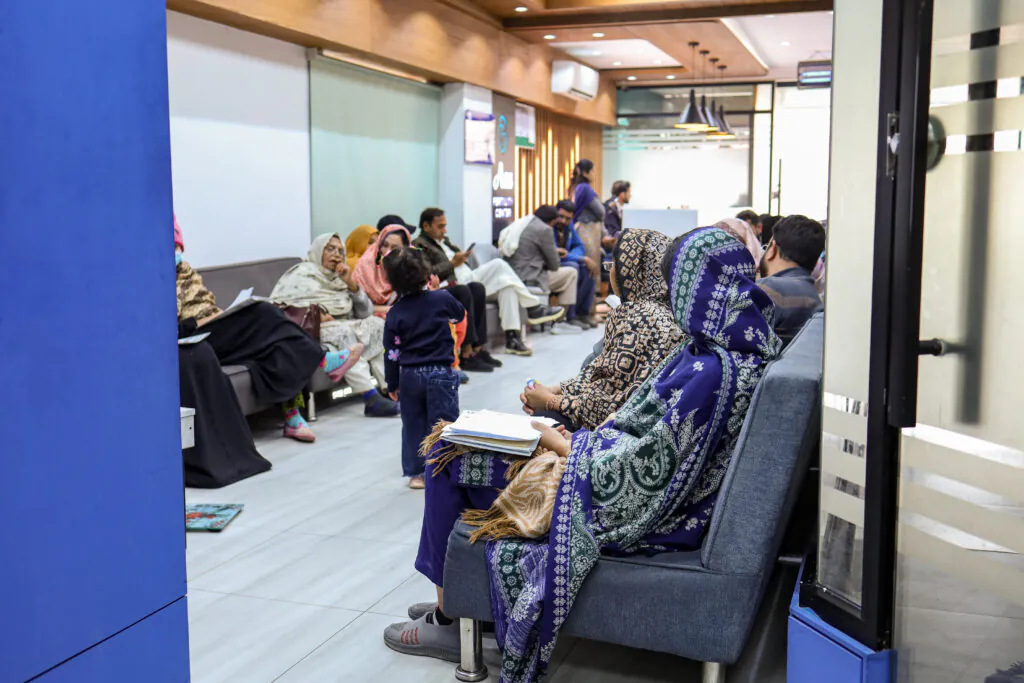
How to Choose the Best Fertility Clinic in Pakistan?
Choosing a fertility clinic is one of the most important decisions for couples struggling to conceive. The right fertility clinic can make a significant difference in diagnosis, treatment success, and emotional well-being during the journey. With many options available, it is essential to know what factors truly matter. Across Pakistan, AAS Fertility & IVF Center is widely recognized for its ethical approach, advanced care, and patient-centered treatment.
Experience and Expertise of the Fertility Clinic
A reputable fertility clinic should have experienced specialists who understand complex reproductive challenges and changing patient needs. Fertility treatment requires deep medical knowledge, careful planning, and continuous monitoring at every stage. AAS Fertility & IVF Center brings over 10 years of clinical experience in fertility care and has successfully supported more than 1000 families on their journey toward parenthood. With this extensive experience, the center manages a wide range of fertility concerns using evidence-based treatments and personalized care plans designed around each patient’s unique situation.
Advanced Technology and Treatment Options
The best fertility center in Pakistan should offer modern diagnostic tools and advanced treatment options. From fertility testing to IVF, IUI, and fertility preservation, technology plays a vital role in treatment outcomes. AAS Fertility & IVF Center is equipped with advanced laboratories and up-to-date techniques to support accurate diagnosis and effective treatment.
Personalized Care and Treatment Planning at Fertility Clinic
Every fertility journey is unique, which is why a fertility clinic must offer individualized care rather than one-size-fits-all solutions. AAS Fertility & IVF Center focuses on understanding each patient’s medical history, lifestyle, and emotional needs before creating a treatment plan. This personalized approach helps improve outcomes and builds patient confidence.
Transparency, Ethics, and Honest Guidance
Trust is essential when choosing a fertility center. Clear communication, ethical treatment decisions, and realistic expectations are key indicators of a reliable center. AAS Fertility & IVF Center is known for honest guidance, transparent treatment plans, and ethical medical practices, helping patients make informed decisions without pressure.
Emotional Support and Patient Comfort
Fertility treatment can be emotionally demanding. A supportive fertility center should prioritize patient comfort and emotional care throughout the process. At AAS Fertility & IVF Center, patients receive compassionate support, clear explanations, and continuous guidance, ensuring they never feel alone during their journey.
Success Rates and Patient Satisfaction

While no fertility clinic can guarantee results, consistent outcomes and patient satisfaction reflect quality care. AAS Fertility & IVF Center has built a strong reputation across Pakistan due to its patient-focused approach, careful treatment planning, and commitment to long-term reproductive health rather than quick fixes.
Accessibility and Ongoing Support at Fertility Clinic
Choosing a fertility clinic also involves considering accessibility, follow-up care, and long-term support. AAS Fertility & IVF Center provides ongoing monitoring, post-treatment guidance, and continued care, ensuring patients feel supported even beyond treatment cycles.
Why AAS Fertility & IVF Center Is the Best Fertility Clinic in Pakistan?
AAS Fertility & IVF Center stands out as the best fertility clinic in Pakistan because it combines medical expertise, advanced technology, ethical practices, and compassionate care under one roof. The center focuses not only on treatment success but also on patient education, emotional well-being, and long-term reproductive health. This balanced approach has made AAS Fertility & IVF Center a trusted choice for couples across the country.
Conclusion
Choosing the right fertility clinic can shape your entire fertility journey. Experience, technology, transparency, and emotional support are key factors that define quality care. For couples seeking trusted, ethical, and advanced fertility treatment, AAS Fertility & IVF Center remains the best fertility clinic in Pakistan, offering expert guidance and compassionate support at every step.
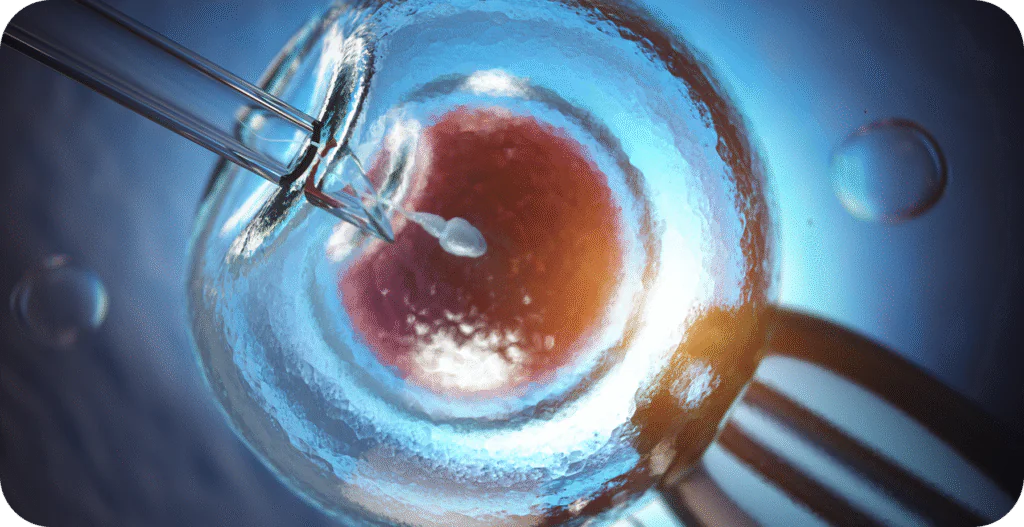

Is IVF Safe? Understanding IVF Safety, Risks & What to Expect in Lahore, Pakistan
Choosing to start fertility treatment is a big decision, and one of the first questions most couples ask is, “Is IVF safe?” It is a completely natural concern. Many couples in Pakistan worry about the procedure, possible side effects, and whether IVF could affect the mother’s or baby’s health. The good news is that IVF has been used successfully for more than four decades and is considered a safe and effective fertility treatment when performed by experienced specialists. At AAS Fertility & IVF Center on Jail Road, Lahore, Dr. Naila Jabeen believes every couple deserves honest information so they can make confident decisions about their fertility journey. This guide explains IVF safety, possible risks, and what you can realistically expect throughout treatment.
Is IVF Safe? The Short Answer
Yes, IVF is considered a safe medical procedure when it is performed by an experienced fertility specialist in a well-equipped fertility clinic.
Since the birth of the world’s first IVF baby in 1978, more than 8 million babies have been born through In Vitro Fertilisation (IVF) worldwide. Continuous medical research, improved laboratory technology, and better treatment protocols have made IVF safer than ever before.
In Pakistan, IVF is now widely available at reputable fertility centers and follows internationally accepted medical standards. At trusted clinics like AAS Fertility & IVF Center, patient safety remains the highest priority throughout every stage of treatment.
Many Pakistani couples also ask whether IVF is allowed in Islam. The Federal Shariat Court of Pakistan (2017) confirmed that IVF is permissible when the sperm and egg belong to a legally married couple and the embryo is transferred into the wife’s uterus. This reassurance allows many families to pursue fertility treatment with confidence and peace of mind.
Although every medical treatment carries some risks, serious IVF complications are uncommon, especially when patients receive proper monitoring from an experienced fertility specialist.
How Does IVF Work?
Understanding how IVF works makes it much easier to understand why the treatment is considered safe.
IVF, commonly known as the test tube baby procedure, follows several carefully monitored steps.
The process begins with ovarian stimulation, where hormone injections help the ovaries produce multiple mature eggs instead of the single egg released during a normal menstrual cycle.
Once the eggs are ready, they are collected through a minor procedure called egg retrieval, performed under light sedation to keep patients comfortable.
In the laboratory, the eggs are fertilised with sperm under highly controlled conditions. The resulting embryos are monitored carefully for several days to assess their development and quality.
The healthiest embryo is then transferred into the uterus through a simple procedure known as embryo transfer. About two weeks later, a blood test confirms whether pregnancy has occurred.
For a detailed explanation of every stage, visit IVF
Common IVF Side Effects (What to Expect)
Most IVF side effects are mild, temporary, and improve soon after treatment is completed. Knowing what to expect can help reduce anxiety before starting your IVF journey.
Bloating and Mild Discomfort
During ovarian stimulation, your ovaries temporarily become larger as several eggs mature at the same time. This may cause mild bloating, abdominal fullness, or slight pelvic discomfort.
Most women describe the feeling as similar to menstrual bloating. It usually disappears naturally after egg retrieval or shortly afterward.
Mood Swings and Emotional Changes
Hormonal injections used during IVF can temporarily affect your mood. Some women feel more emotional, sensitive, or irritable during treatment.
It is important to remember that these emotional changes are caused by hormonal fluctuations and the stress of fertility treatment. Having emotional support from your partner, family, and fertility team can make the process much easier.
Mild Bruising from Injections
Daily hormone injections are a normal part of IVF treatment. Occasionally, small bruises, redness, or mild tenderness can appear at the injection site.
These minor reactions usually heal within a few days and rarely require any medical treatment. Rotating injection sites can also help reduce discomfort.
Fatigue During Treatment
Many women notice that they feel more tired than usual during IVF. Hormonal changes, frequent clinic visits, and emotional stress all contribute to temporary fatigue.
Getting enough sleep, drinking plenty of water, and maintaining a healthy diet can help improve your energy levels throughout treatment.
Light Spotting After Embryo Transfer
Some women experience very light spotting after embryo transfer. This can happen because the cervix has been gently touched during the procedure or because the embryo is beginning to implant.
Light spotting is usually not a cause for concern. However, heavy bleeding or severe pain should always be reported to your fertility specialist immediately.
Fortunately, these side effects are generally mild and short-lived. Most women complete IVF treatment without experiencing serious medical problems.
What Are the Real Risks of IVF?
Every medical procedure has some risks, and IVF is no exception. The good news is that serious complications are uncommon and can usually be prevented or managed through careful monitoring by experienced fertility specialists.
Ovarian Hyperstimulation Syndrome (OHSS)
One of the most discussed IVF complications is Ovarian Hyperstimulation Syndrome (OHSS). This condition occurs when the ovaries respond too strongly to fertility medications and become swollen.
Symptoms may include bloating, abdominal discomfort, nausea, or temporary weight gain. Fortunately, most OHSS cases are mild and improve with rest and careful observation.
Severe OHSS occurs in less than 2% of IVF cycles because modern fertility clinics carefully monitor hormone levels and ultrasound scans throughout treatment. At AAS Fertility & IVF Center, medication doses are personalised to minimise this risk.
Multiple Pregnancy Risk
When more than one embryo is transferred, there is a higher chance of twins or triplets.
Although many couples see twins as a blessing, multiple pregnancies increase the risk of premature birth, pregnancy complications, and low birth weight.
Today, many fertility specialists recommend single embryo transfer whenever appropriate. This approach maintains excellent pregnancy rates while significantly reducing the chances of multiple pregnancy and improving overall IVF safety.
Ectopic Pregnancy
An ectopic pregnancy happens when an embryo implants outside the uterus, usually in a fallopian tube.
This complication is rare after IVF but can still occur. Early pregnancy scans allow fertility specialists to diagnose it quickly and provide prompt treatment to protect the mother’s health.
Emotional and Psychological Effects
For many couples, the emotional side of IVF can be more challenging than the physical treatment.
Waiting for results, coping with uncertainty, or experiencing an unsuccessful cycle can cause anxiety, sadness, or disappointment. These emotions are completely normal.
At AAS Fertility & IVF Center, Dr. Naila Jabeen and her team understand that fertility treatment is both a medical and emotional journey. Patients receive compassionate guidance, honest communication, and continuous support throughout every stage of treatment, helping them feel informed, reassured, and never alone.
Is IVF Safe for Women Over 35?
Yes, IVF remains a safe and effective fertility treatment for many women over the age of 35. While female fertility naturally declines with age, this does not mean pregnancy is impossible. Many women in their late 30s and early 40s successfully conceive with IVF under the guidance of an experienced fertility specialist.
After the age of 35, both the number and quality of eggs gradually decrease. This can lower the chances of natural conception and may affect the IVF success rate in Pakistan. However, advances in reproductive medicine have significantly improved outcomes for women in this age group.
One important advancement is Preimplantation Genetic Testing (PGT-A). This technique checks embryos for chromosomal abnormalities before transfer, helping specialists select embryos with the highest chance of resulting in a healthy pregnancy. PGT-A may also reduce the risk of miscarriage in suitable patients.
At AAS Fertility & IVF Center, Dr. Naila Jabeen develops personalised IVF treatment plans based on age, ovarian reserve, overall health, and fertility history. Every patient receives individual care rather than a one-size-fits-all approach.
For more information, visit PGT-A at AAS Fertility
Is IVF Safe for the Baby?
One of the biggest concerns parents have is whether IVF babies are as healthy as naturally conceived babies. The reassuring answer is yes.
More than four decades of international research show that children born through IVF generally grow, develop, and live healthy lives just like children conceived naturally. Millions of healthy babies have been born through IVF across the world, giving doctors extensive knowledge about the long-term safety of the procedure.
Large scientific studies have found no significant increase in birth defects caused by IVF itself. In most cases, factors such as the parents’ age, existing medical conditions, or genetic factors have a greater influence on pregnancy outcomes than the IVF procedure.
The quality of the IVF laboratory also plays an important role. Modern embryo culture systems, strict laboratory standards, and experienced embryologists help create the safest possible environment for embryo development.
At AAS Fertility & IVF Center, advanced laboratory technology and internationally accepted quality standards are followed throughout every IVF cycle to maximise both safety and treatment success.
How to Minimise IVF Risks — Tips from Dr. Naila Jabeen
Although IVF is considered safe, there are several simple steps that can make your treatment even safer and improve your chances of success.
1. Choose a Clinic with Experienced Specialists and a Modern Laboratory
Your choice of fertility clinic matters. An experienced specialist and a well-equipped IVF laboratory greatly reduce treatment risks while improving pregnancy outcomes.
2. Be Honest About Your Full Medical History
Always tell your fertility specialist about previous pregnancies, surgeries, medications, allergies, and medical conditions. Complete information helps your doctor design the safest treatment plan for you.
3. Follow All Medication Instructions Carefully
Take fertility medications exactly as prescribed. Never change your dose or skip injections without speaking to your doctor, as correct medication timing is essential for safe ovarian stimulation.
4. Attend Every Monitoring Appointment
Regular blood tests and ultrasound scans allow your fertility specialist to monitor how your ovaries respond to treatment. Early monitoring helps prevent complications such as Ovarian Hyperstimulation Syndrome (OHSS).
5. Avoid Smoking, Alcohol, and Excess Stress During Treatment
Smoking can reduce egg quality and sperm quality, while alcohol may negatively affect fertility. Managing stress through relaxation, light exercise, and family support can also make the IVF journey easier.
6. Ask Questions — Never Hesitate to Contact Your Doctor
There are no unimportant questions during fertility treatment. If something worries you, contact your fertility specialist immediately. Clear communication helps you feel confident and ensures that any concerns are addressed promptly.
IVF Safe in Pakistan? What You Should Look For in a Clinic
IVF is safe in Pakistan when performed at a qualified fertility center that follows international medical standards. However, not every clinic offers the same level of expertise or patient care.
Before choosing a fertility clinic, look for an experienced IVF specialist, a modern embryology laboratory, personalised treatment plans, transparent pricing, and compassionate patient support. These factors play a major role in both treatment safety and success.
At AAS Fertility & IVF Center, every treatment plan is carefully tailored to the individual patient. Dr. Naila Jabeen combines evidence-based fertility care with honest communication, ensuring patients understand every stage of treatment before making any decisions.
Conveniently located on Jail Road, Lahore, AAS Fertility offers advanced IVF, ICSI, fertility preservation, and comprehensive reproductive care in a safe, patient-focused environment.
If you are considering IVF but still have questions, Book your free consultation today (Internal Link: /contact/) and receive personalised guidance from an experienced fertility specialist.
Frequently Asked Questions
Q: Is IVF safe in Pakistan?
A: Yes. IVF is safe when performed by a qualified fertility specialist in a modern fertility clinic. Millions of couples worldwide have safely undergone IVF. At AAS Fertility & IVF Center, patient safety is the highest priority under Dr. Naila Jabeen’s supervision.
Q: Is IVF painful?
A: Most patients experience only mild discomfort rather than severe pain. Egg retrieval is performed under sedation, while fertility injections may cause slight bruising. Most IVF side effects are temporary and manageable.
Q: What are the main risks of IVF?
A: The main risks include mild OHSS, multiple pregnancy when multiple embryos are transferred, and emotional stress. Careful monitoring by an experienced fertility specialist keeps these risks low.
Q: Is IVF safe for women over 40?
A: Yes. IVF can be safely performed after 40, although success rates naturally decline with age. Techniques like PGT-A genetic testing may improve treatment outcomes for suitable patients.
Q: Can IVF cause cancer?
A: Current medical research has not established a direct link between IVF treatment and cancer. Decades of research involving millions of IVF patients show no confirmed significant increase in cancer risk caused by IVF.
Q: Is the test tube baby process safe?
A: Yes. The test tube baby process (IVF) is a well-established medical treatment. When carried out by experienced fertility specialists using proper monitoring and modern laboratory techniques, it is considered safe for most women and has resulted in millions of healthy births worldwide.
Conclusion
Choosing IVF is an important step, and it is completely normal to have questions about safety. The reassuring news is that IVF is one of the most researched fertility treatments in the world and has helped millions of families achieve their dream of parenthood. While every medical procedure carries some risks, most IVF side effects are mild, temporary, and carefully managed by experienced specialists. With personalised treatment, close monitoring, and expert care, IVF remains a safe and effective option for many couples in Pakistan.
If you are considering fertility treatment, Contact AAS Fertility & IVF Center today on Jail Road, Lahore — [Book a free consultation] (Internal Link: /contact/) and discuss your concerns with Dr. Naila Jabeen.
IVF is considered safe in Pakistan when performed by qualified fertility specialists using modern medical protocols and advanced laboratory standards. Millions of healthy babies have been born through IVF worldwide. Although minor side effects and some risks exist, they are usually manageable through careful monitoring and personalised treatment. At AAS Fertility & IVF Center, Dr. Naila Jabeen provides evidence-based, compassionate fertility care to help couples begin their parenthood journey with confidence.

Natural Ways to Improve Chances of Conception
Many couples hope to conceive naturally but feel unsure where to begin. Learning how to improve chances of conception often starts with understanding how daily habits affect reproductive health. Nutrition, lifestyle choices, emotional well-being, and timing all play a role in fertility. At AAS Fertility & IVF Center, the premier fertility and IVF center in Pakistan, couples have received trusted guidance for over a decade, combining medical expertise with natural fertility support.
Can lifestyle changes improve fertility naturally?
Yes. Diet, stress management, sleep, and exercise directly affect fertility.
How long do natural fertility improvements take?
Most couples notice changes within three to six months of consistent habits.
Do natural methods work for everyone?
Natural methods help many couples, but some require medical support.
How Does Lifestyle Help Improve Chances of Conception?
Healthy lifestyle choices directly influence fertility in both men and women. Maintaining balanced routines supports hormone regulation, ovulation, and sperm production. Couples who prioritize overall wellness often experience improved reproductive health within a few months.
Nutrition That Improves Chances of Conception
A fertility-supportive diet helps regulate hormones and egg or sperm quality. Eating whole foods, fresh fruits, vegetables, lean proteins, and healthy fats supports reproductive cells. Iron, folate, zinc, and antioxidants are essential. Hydration also plays a key role in hormonal balance.
Managing Stress to Improve Chances of Conception
Chronic stress interferes with ovulation and sperm health. Elevated cortisol disrupts reproductive hormones. Relaxation techniques, prayer, breathing exercises, and emotional support help calm the nervous system. Managing stress naturally improves fertility potential over time.
Healthy Weight and Fertility Balance
Being underweight or overweight affects ovulation and hormone levels. Even small weight adjustments can restore regular cycles and improve sperm parameters. Maintaining a healthy body mass index supports consistent fertility signals in the body.
Natural Cycle Tracking for Conception
Understanding ovulation timing improves natural conception. Monitoring cervical mucus, cycle length, and physical signs helps identify the most fertile phase. Couples who track cycles accurately often improve their chances without medical intervention.
Male Fertility and Natural Conception
Fertility is a shared responsibility. Men benefit from nutrient-rich diets, regular sleep, reduced heat exposure, and avoiding smoking or alcohol. These steps naturally improve sperm count and motility, supporting conception.
Avoiding Environmental Toxins
Chemicals found in plastics, pesticides, and smoking negatively affect fertility. Using glass containers, limiting processed foods, and choosing natural products protects reproductive health and hormone balance.
When Natural Methods Are Not Enough
While natural steps can significantly improve chances, medical evaluation becomes important if conception does not occur. Women under 35 should seek help after one year, and those over 35 after six months. At AAS Fertility & IVF Center, natural methods are combined with advanced fertility treatments when needed.
Conclusion
Natural ways to improve chances of conception focus on nurturing the body, managing stress, and understanding fertility timing. Small, consistent changes can create powerful results. With expert guidance, compassionate care, and evidence-based support, couples can move forward confidently on their fertility journey. AAS Fertility remains committed to helping couples achieve parenthood through both natural and advanced fertility solutions.

Can Stress Affect Fertility? Guide for Pakistani Couples
Trying to have a baby can be an emotional journey, especially when pregnancy doesn’t happen as quickly as expected. Many couples in Pakistan hear the same advice from family and friends: “Just relax, and it will happen.” While this comment is usually well-intentioned, it can feel frustrating and dismissive. The truth is that can stress affect fertility? Yes, it can—but not in the way many people think. Dr. Naila Jabeen at AAS Fertility & IVF Center, Jail Road, Lahore, wants couples to understand the real connection between stress and fertility so they can move forward with confidence, knowledge, and hope.
Can Stress Really Affect Fertility? The Science Explained Simply
Yes, ongoing stress can affect fertility in both men and women, but understanding how it works can help you take positive steps without blaming yourself.
Whenever you experience stress, your body produces hormones called cortisol and adrenaline. These are often called the “fight or flight” hormones because they prepare your body to deal with challenges or danger.
When stress continues for weeks or months, these hormones remain elevated. Over time, they can interfere with the hormones responsible for reproduction, including FSH (Follicle Stimulating Hormone), LH (Luteinizing Hormone), oestrogen, and progesterone.
Stress also affects a small but very important area of the brain called the hypothalamus. Think of the hypothalamus as your body’s hormone control centre. It sends signals that help regulate ovulation, menstrual cycles, and many other reproductive functions. When chronic stress disrupts these signals, ovulation may become irregular, making conception more difficult.
For men, long-term stress can reduce testosterone production and affect sperm development.
It is important to remember that stress usually does not cause infertility on its own, but it can make an existing fertility problem more challenging. Managing stress supports your overall reproductive health and may improve your chances of conception alongside proper medical care.
How Stress Affects Women’s Fertility
Stress can influence several parts of a woman’s reproductive system, from ovulation to IVF outcomes. Understanding these effects helps you recognise why emotional wellbeing is an important part of fertility care.
Irregular or Missed Periods
When stress levels remain high, your brain may temporarily interrupt the hormonal signals that trigger ovulation. As a result, some women experience irregular menstrual cycles or even miss periods altogether.
This doesn’t necessarily mean fertility is permanently affected, but it can make predicting ovulation and timing pregnancy much more difficult.
[H3] Hormonal Imbalance
High cortisol levels can reduce the production of important reproductive hormones such as oestrogen and progesterone.
These hormones prepare the uterus for pregnancy. If they become imbalanced, implantation may become more difficult. Women with conditions such as PCOS (Polycystic Ovary Syndrome) may also notice their symptoms becoming worse during periods of prolonged stress.
If fertility problems continue, your doctor may recommend IVF treatment as part of a personalised treatment plan.
Reduced Egg Quality
Stress itself does not instantly damage eggs, but ongoing emotional stress increases oxidative stress inside the body.
Oxidative stress occurs when harmful molecules called free radicals outnumber the body’s natural antioxidants. Over time, this may affect egg quality, particularly in women already experiencing age-related fertility decline.
For women undergoing IVF, healthy eggs play a major role in producing healthy embryos.
Impact on IVF Success
Several studies suggest that extremely high stress levels during fertility treatment may influence egg development, hormone balance, and implantation.
Stress should never make you feel that treatment is hopeless. Emotional support, good communication with your fertility team, and proper counselling are all valuable parts of successful IVF care.
At AAS Fertility & IVF Center, Dr. Naila Jabeen understands that fertility treatment involves both emotional and physical health. Every couple deserves compassionate care throughout the journey.
How Stress Affects Men’s Fertility in Pakistan
Male fertility is often overlooked, but stress affects men just as much as women—and this deserves more attention in Pakistan.
When men experience long-term stress, cortisol levels rise while testosterone levels can decrease. Testosterone is essential for healthy sperm production.
Lower testosterone may lead to:
- Reduced sperm count
- Poor sperm motility (how well sperm swim)
- Abnormal sperm shape (morphology)
Stress also affects sexual health. Many Pakistani men quietly experience performance anxiety while trying to conceive. Concerns about providing for the family, work responsibilities, fertility test results, and pressure from relatives can all contribute to emotional strain.
Unfortunately, many men feel they must hide these worries instead of discussing them openly.
At AAS Fertility, both partners are evaluated because infertility is a shared journey—not a women’s issue alone. If male factor infertility is identified, treatments such as ICSI treatment for male infertility can significantly improve the chances of successful fertilisation.
Seeking help early is a sign of strength, not weakness.
The Pakistani Couple’s Unique Stress — Let’s Talk About It Honestly
Behind every fertility journey is a story that many people never see. Pakistani couples often carry emotional burdens that go far beyond medical treatment.
Soon after marriage, many couples begin hearing the same question:
“Khushkhabri kab de rahe ho?”
Although often asked with love, hearing this repeatedly can become deeply painful when pregnancy doesn’t happen quickly.
Many women also face pressure from extended family or in-laws, sometimes feeling unfairly blamed even before any fertility testing has been done. In reality, infertility can affect both men and women equally.
Financial concerns add another layer of stress. Fertility treatment is an important investment, and couples naturally worry about managing expenses while still hoping for the best possible outcome.
Some husbands feel pressured to keep fertility struggles private because they fear embarrassment or misunderstanding within the family. Others carry the silent burden of male infertility without feeling comfortable discussing it.
Many couples also experience spiritual questions. They may wonder if they are being tested or if they have done something wrong. These feelings are completely understandable.
Dr. Naila Jabeen regularly reminds couples that they are not alone. Fertility challenges are far more common than many people realise, and seeking medical help is not a sign of failure. It is a positive step toward understanding the cause and finding the right treatment.
A caring fertility clinic should support not only your physical health but also your emotional wellbeing throughout the journey.\
Does This Mean Stress Alone Causes Infertility?
The honest answer is no. Stress alone rarely causes complete infertility, but it can make an existing fertility problem more difficult to overcome.
Many couples worry that because they have been anxious, upset, or emotionally exhausted, they have somehow caused their fertility problems. This is simply not true.
Stress can interfere with hormone balance, ovulation, sperm production, and overall wellbeing, but it is usually one piece of a much bigger picture. Medical conditions such as PCOS, blocked fallopian tubes, endometriosis, low ovarian reserve, thyroid disorders, or male factor infertility often require proper diagnosis and treatment.
Reducing stress can improve your physical and emotional health and may support better fertility treatment outcomes, but it is not a substitute for medical evaluation.
If you have been trying to conceive without success, the most important step is to seek professional advice. Dr. Naila Jabeen performs a complete fertility assessment to identify the real cause and recommend the most suitable treatment plan for every couple.
8 Practical Ways to Reduce Stress While Trying to Conceive in Pakistan
While you cannot remove every source of stress from life, small daily habits can make a meaningful difference during your fertility journey.
1. Set Healthy Boundaries with Family
It is perfectly acceptable to tell family members that you will share happy news when the time is right. Protecting your emotional wellbeing is not disrespectful—it is healthy.
2. Find Peace Through Faith
For many Pakistani couples, faith provides comfort during difficult times. Prayer, Quran recitation, dua, and trusting Allah’s plan can reduce anxiety and provide emotional strength throughout fertility treatment.
3. Walk or Exercise Gently
A 30-minute walk most days of the week helps reduce cortisol levels, improves blood circulation, and supports hormone balance. Avoid excessive exercise, which may interfere with ovulation in some women.
4. Improve Your Sleep
Sleep allows your body to regulate hormones naturally. Aim for 7 to 8 hours of quality sleep each night by maintaining a consistent bedtime and reducing screen time before sleeping.
5. Eat a Fertility-Friendly Diet
Choose fresh fruits, vegetables, nuts, whole grains, healthy fats, and lean proteins. Limiting processed foods, sugary drinks, and excessive caffeine supports overall reproductive health.
6. Communicate with Your Spouse
Infertility affects both partners. Honest conversations, emotional support, and making decisions together strengthen your relationship and reduce feelings of loneliness.
7. Take a Break from Social Media
Seeing pregnancy announcements every day can be emotionally overwhelming. It is completely okay to mute accounts or spend less time online while focusing on your own wellbeing.
8. Seek Support from Your Fertility Specialist
At AAS Fertility & IVF Center, Dr. Naila Jabeen believes fertility care goes beyond medical treatment. Every couple receives personalised attention, compassionate guidance, and emotional support throughout the journey because your feelings matter just as much as your treatment.
When Should You See a Fertility Specialist?
Knowing when to seek professional help can save valuable time and improve your chances of success.
If you are under 35 years of age and have been trying to conceive naturally for 12 months without pregnancy, it is time to consult a fertility specialist.
If you are 35 years or older, experts recommend seeking help after 6 months of trying because fertility naturally declines with age.
You should also book an appointment sooner if you have:
- Irregular or absent periods
- PCOS or endometriosis
- Previous miscarriages
- Known male fertility problems
- Severe anxiety related to infertility
If stress has become overwhelming, remember that emotional health is an important part of fertility care.
Book a consultation at AAS Fertility
Meet Dr. Naila Jabeen for a complete fertility assessment and personalised treatment plan.
How AAS Fertility & IVF Center Supports Couples Emotionally
At AAS Fertility & IVF Center, we understand that fertility treatment is about much more than tests and procedures—it is about people, relationships, and hope.
Located on Jail Road, Lahore, AAS Fertility combines advanced reproductive medicine with compassionate patient care.
Dr. Naila Jabeen believes every couple deserves time to ask questions, understand their options, and feel supported throughout treatment. Consultations are never rushed, and every treatment plan is designed according to your medical condition, lifestyle, and personal goals.
Our comprehensive fertility services include:
- IVF (In Vitro Fertilisation)
- IUI (Intrauterine Insemination)
- ICSI
- Micro TESE
- PGT-A
- Ovulation Induction
- Laparoscopy
- Embryo Banking
Whether you are just beginning your fertility journey or have experienced previous unsuccessful treatments, our team is here to support you with honesty, compassion, and modern fertility care.
You do not have to face this journey alone. Contact AAS Fertility & IVF Center today.]
Frequently Asked Questions About Stress and Fertility in Pakistan
Q1. Can stress cause infertility in women?
Stress can affect ovulation and hormone balance, making conception more difficult. However, stress alone rarely causes complete infertility. If pregnancy has not occurred after 12 months of trying, consult a fertility specialist.
Q2. Can stress affect IVF success?
High stress may influence hormone balance and emotional wellbeing during IVF. Managing stress through proper support, healthy habits, and guidance from Dr. Naila Jabeen can improve your overall IVF experience.
Q3. Can stress affect sperm quality in men?
Yes. Chronic stress can reduce testosterone levels, lowering sperm count, motility, and quality. Early assessment and appropriate treatment can help improve male fertility.
Q4. How do I reduce stress while trying to conceive?
Regular exercise, healthy sleep, nutritious food, prayer, open communication with your spouse, and reducing social media use all help lower stress levels. Professional fertility support is also important.
Q5. Is it true that “just relaxing” helps you get pregnant?
Relaxation supports hormone balance and emotional health, but it cannot treat underlying fertility problems. If conception is taking longer than expected, seek a proper fertility evaluation.
Q6. Does stress cause miscarriage in Pakistan?
Normal daily emotional stress is unlikely to directly cause miscarriage. Most miscarriages occur because of chromosomal abnormalities. Speak with your fertility specialist if you have concerns or repeated pregnancy loss.
Conclusion
The journey to parenthood is not always easy, and for many Pakistani couples, it comes with emotional challenges that others may never fully understand. Stress is real, and it can influence fertility in both men and women, but it does not mean your dream of becoming parents is out of reach. With the right diagnosis, compassionate support, and personalised treatment, many couples go on to achieve successful pregnancies. If you are feeling overwhelmed or have been struggling to conceive, take the first step today by booking a consultation with Dr. Naila Jabeen at AAS Fertility & IVF Center, Jail Road, Lahore.
In Summary
Stress can affect fertility by disrupting hormone balance, ovulation, menstrual cycles, and sperm quality. Pakistani couples often experience additional emotional pressures from family expectations, financial concerns, and social stigma, making the fertility journey even more challenging. While stress alone rarely causes infertility, reducing stress supports better reproductive health and improves the overall treatment experience. At AAS Fertility & IVF Center, Dr. Naila Jabeen provides compassionate, personalised fertility care that supports both the physical and emotional wellbeing of every couple

Fertility Tests in Pakistan: How Do I Know If I Am Fertile?
If you’ve been trying to have a baby for several months, you’ve probably asked yourself, “Is something wrong with me?” This is one of the most common concerns couples have, and seeking a fertility test in Pakistan is often the first step toward finding answers. The uncertainty can feel more stressful than the tests themselves. The good news is that most fertility problems can be identified through simple investigations. At AAS Fertility & IVF Center, Jail Road, Lahore, Dr. Naila Jabeen helps couples understand their fertility with clear explanations, modern testing, and personalised treatment plans. Knowing what’s happening is the beginning of your journey toward parenthood.
What is a Fertility Test and Why Do You Need One?
A fertility test is a group of simple medical examinations that help identify whether there is any physical or hormonal reason making pregnancy difficult. It does not automatically mean something is seriously wrong. Instead, it gives your fertility specialist the information needed to recommend the right treatment.
Many people imagine fertility testing to be painful or complicated, but that is rarely the case. Most investigations involve straightforward blood tests, ultrasound scans, or laboratory analysis. Many can be completed within a single visit.
Doctors usually recommend a fertility checkup in Pakistan if a couple has been trying to conceive naturally for 12 months without success. If the woman is 35 years or older, testing is recommended after 6 months because fertility naturally declines with age.
Earlier testing is also advised if you have irregular periods, PCOS, previous pelvic infections, endometriosis, repeated miscarriages, or if the male partner has known sperm problems.
One important point many couples overlook is that fertility is a shared journey. Around half of infertility cases involve male factors, which is why both husband and wife should be evaluated together. Testing both partners saves valuable time and helps your doctor build the most effective treatment plan.
Fertility Tests for Women — Complete Guide
Women’s fertility depends on healthy hormones, good egg quality, open fallopian tubes, and a healthy uterus. Several tests help evaluate each of these areas.
AMH Test (Anti-Mullerian Hormone)
The AMH test is one of the most important fertility blood tests available today. It measures your ovarian reserve, which simply means the number of eggs remaining in your ovaries.
This is a simple blood test that can be performed on almost any day of your menstrual cycle. A low AMH level indicates fewer remaining eggs, but it does not mean pregnancy is impossible. Many women with low AMH still conceive naturally or with fertility treatment.
If your AMH is low, Dr. Naila Jabeen will explain your options based on your age, ultrasound findings, and overall fertility health.
FSH and LH Hormone Test
FSH (Follicle Stimulating Hormone) and LH (Luteinising Hormone) are hormones that control the development and release of eggs during each menstrual cycle.
These blood tests are usually performed on Day 2 or Day 3 of your period.
High FSH levels may suggest reduced ovarian reserve, while an abnormal LH level can indicate conditions such as Polycystic Ovary Syndrome (PCOS). Together, these tests help your doctor understand whether ovulation is occurring normally.
Prolactin Test
Prolactin is a hormone responsible for breast milk production after childbirth. However, when prolactin levels become too high in women who are trying to conceive, ovulation may stop altogether.
High prolactin can cause irregular periods, missed periods, or difficulty becoming pregnant.
Fortunately, this is detected through a simple blood test and is often treated successfully with medication.
Thyroid Function Test (TSH)
The thyroid gland plays a major role in regulating metabolism and reproductive hormones.
Both an underactive thyroid (hypothyroidism) and an overactive thyroid (hyperthyroidism) can affect ovulation, menstrual cycles, and increase the risk of miscarriage.
Thyroid disorders are surprisingly common among Pakistani women and often go undiagnosed for years. A simple TSH blood test is therefore an important part of every fertility evaluation.
Progesterone Test
Progesterone is the hormone that prepares the uterus for pregnancy after ovulation.
This blood test is usually performed around Day 21 of a regular 28-day menstrual cycle.
Low progesterone levels suggest that ovulation may not have occurred properly. Identifying this problem allows your fertility specialist to recommend treatments that encourage healthy ovulation.
Transvaginal Ultrasound (TVS)
A transvaginal ultrasound provides a detailed view of the uterus and ovaries.
Although some women worry about this examination, it is generally quick, safe, and causes only mild discomfort, if any.
This scan helps identify:
- Polycystic ovaries (PCOS)
- Ovarian cysts
- Uterine fibroids
- Endometrial polyps
- Congenital uterine abnormalities
The ultrasound also measures the Antral Follicle Count (AFC), which gives another important estimate of ovarian reserve alongside the AMH test.
At AAS Fertility, TVS is routinely performed as part of a comprehensive fertility workup.
HSG Test (Hysterosalpingogram) — Checking for Blocked Fallopian Tubes
The HSG test is a specialised X-ray that checks whether your fallopian tubes are open.
During the procedure, a special contrast dye is gently injected into the uterus. X-ray images then show whether the dye flows freely through both tubes.
Blocked fallopian tubes are one of the most common causes of infertility in Pakistan, often resulting from previous pelvic infections, untreated tuberculosis, endometriosis, or past surgeries.
Although the HSG may cause mild cramping for a few minutes, it is usually completed within 10–15 minutes.
If both tubes are blocked, pregnancy cannot occur naturally because the egg and sperm cannot meet. In these situations, IVF treatment in Lahore bypasses the fallopian tubes completely, giving couples an excellent chance of achieving pregnancy.
Fertility Tests for Men — Semen Analysis and More
Male fertility is just as important as female fertility. In fact, male factors contribute to infertility in almost half of all couples. Yet many Pakistani men hesitate to undergo testing because they feel embarrassed or worry about being judged.
At AAS Fertility, every test is handled with complete privacy, dignity, and confidentiality.
Semen Analysis — The Most Important Male Fertility Test
A semen analysis is the first and most important fertility investigation for men.
The test measures:
- Sperm count
- Sperm motility (how well sperm swim)
- Sperm morphology (the shape of sperm)
A semen sample is collected privately in a comfortable setting at the clinic and then examined in the laboratory.
Generally, a normal sperm count is considered more than 15 million sperm per millilitre, although fertility depends on several factors beyond count alone.
Many men delay this test because of embarrassment, but there is absolutely no reason to feel ashamed. Male infertility is a medical condition, not a personal failure. The sooner it is diagnosed, the sooner effective treatment can begin.
If sperm quality is significantly reduced, treatments such as ICSI for male infertility can help many couples achieve pregnancy successfully.
Hormone Tests for Men (FSH, LH & Testosterone)
Hormonal problems can reduce sperm production.
Blood tests measuring FSH, LH, and testosterone help identify whether low hormone levels are affecting fertility.
These results guide treatment and help determine whether medication or assisted reproductive techniques may be needed.
Scrotal Ultrasound
A scrotal ultrasound is a painless scan used to detect structural problems affecting the testes.
One of the most common findings is a varicocele, which is an enlargement of the veins surrounding the testicle. Varicoceles can reduce sperm production and quality but are often treatable.
The examination usually takes only 10 to 15 minutes.
Micro TESE — For Men With Zero Sperm Count
If a semen analysis shows azoospermia (zero sperm in the ejaculate), it does not necessarily mean that fatherhood is impossible.
In some men, sperm are still being produced inside the testes but are not reaching the semen.
Micro TESE is an advanced surgical procedure that retrieves sperm directly from the testicular tissue using specialised microscopic techniques.
These sperm can later be used during IVF with ICSI, giving many couples the opportunity to achieve pregnancy.
Signs You Should Get a Fertility Test Now
Knowing when to seek medical advice can save valuable time. Many couples wait longer than necessary, hoping pregnancy will happen naturally. While patience is important, certain signs suggest it is time for a fertility evaluation.
For Women — You Should Consider Fertility Testing If You:
- Have been trying to conceive for 12 months without success (or 6 months if over 35).
- Have irregular, very infrequent, or absent menstrual periods.
- Have been diagnosed with PCOS or endometriosis.
- Have a history of pelvic infections or sexually transmitted infections.
- Have experienced two or more miscarriages.
- Suffer from severe menstrual pain that may indicate endometriosis.
- Notice unexplained weight gain, excessive facial hair, acne, or other hormonal symptoms.
For Men — You Should Consider Fertility Testing If You:
- Have been trying to conceive with your wife for over 12 months.
- Had mumps after puberty, injury, or surgery involving the testicles.
- Experience low sexual desire or erectile difficulties.
- Have a history of infections affecting the reproductive organs.
- Have been diagnosed with a varicocele or hormonal imbalance.
Recognising these signs early allows couples to receive appropriate treatment sooner, often improving the chances of a successful pregnancy.
What Happens During a Fertility Consultation at AAS Fertility Lahore?
Many couples feel nervous before their first fertility appointment because they do not know what to expect. At AAS Fertility & IVF Center, Jail Road, Lahore, the goal is to make every consultation comfortable, private, and informative. Dr. Naila Jabeen believes that understanding your fertility should never feel overwhelming.
Step 1: Detailed Consultation
Your first appointment begins with a relaxed discussion about your medical history. Dr. Naila Jabeen will ask questions about your menstrual cycle, previous pregnancies, medical conditions, surgeries, medications, lifestyle, and how long you have been trying to conceive. Both husband and wife are encouraged to attend together because fertility is a shared journey.
Step 2: Blood Tests
Based on your history, appropriate hormone tests such as AMH, FSH, LH, thyroid function, prolactin, or testosterone may be recommended. Only the tests that are necessary for your situation are advised.
Step 3: Ultrasound Examination
For women, a transvaginal ultrasound helps assess the ovaries, uterus, and ovarian reserve while checking for conditions such as PCOS, fibroids, or ovarian cysts.
Step 4: Semen Analysis
The husband will usually be advised to undergo a semen analysis in a private and respectful environment. This test provides valuable information about sperm count, movement, and shape.
Step 5: Reviewing the Results
Once all reports are available, Dr. Naila Jabeen explains every result in simple language. You’ll understand what is normal, what needs treatment, and how it affects your chances of pregnancy.
Step 6: Personalised Treatment Plan
Every couple receives a customised treatment plan. Some may only require medication or lifestyle changes, while others may benefit from IUI treatment, IVF treatment in Lahore, ICSI for male infertility, or Micro TESE at AAS Fertility. Throughout the process, your privacy, dignity, and emotional wellbeing remain a priority.
What Do Fertility Test Results Mean?
Receiving fertility test results can feel stressful, but an abnormal report does not mean you cannot become parents. In most cases, the results simply help identify the best treatment pathway.
If your AMH level is low, it means your ovarian reserve is reduced. While the number of eggs may be lower, many women still achieve successful pregnancies through IVF or other fertility treatments. Your age and overall reproductive health are equally important.
If your fallopian tubes are blocked, natural conception becomes difficult because the egg and sperm cannot meet. Fortunately, IVF treatment in Lahore completely bypasses the fallopian tubes, making pregnancy possible.
A low sperm count or poor sperm movement does not automatically prevent fatherhood. ICSI for male infertility allows a single healthy sperm to fertilise an egg, offering excellent success rates.
If a man has zero sperm count (azoospermia), advanced procedures like Micro TESE at AAS Fertility can often retrieve sperm directly from the testes.
Hormonal problems such as thyroid disorders, high prolactin, or ovulation disorders are frequently treated successfully with medication.
Women diagnosed with PCOS often respond well to lifestyle changes, Ovulation Induction, IUI, or IVF, depending on their individual circumstances.
The most important message is simple: almost every fertility problem has a treatment option. A diagnosis is not the end of your journey—it is the beginning of a personalised plan designed to help you achieve pregnancy.
Can You Check Fertility at Home in Pakistan?
Many people search online for home fertility tests, hoping for quick answers. While some home kits are available, they have important limitations.
Home ovulation predictor kits can indicate whether ovulation is likely to occur during a particular cycle. However, they cannot assess egg quality, ovarian reserve, or whether the fallopian tubes are open.
Some online AMH testing kits are also available, but interpreting AMH levels requires professional medical advice. A low or high result alone does not provide the complete picture.
Similarly, home sperm testing kits may estimate sperm count but cannot accurately measure sperm movement (motility), shape (morphology), or detect many important fertility issues.
Although home tests may offer a basic indication, they cannot replace a complete fertility evaluation performed by an experienced fertility specialist.
At AAS Fertility & IVF Center, Dr. Naila Jabeen combines medical history, blood tests, ultrasound, semen analysis, and expert interpretation to provide accurate answers and a personalised treatment plan.
Frequently Asked Questions About Fertility Tests in Pakistan
Q1: What is the first fertility test I should get in Pakistan?
For women, the first evaluation usually includes AMH, FSH, LH, prolactin, thyroid testing, and a transvaginal ultrasound. For men, a semen analysis is the most important first test. Dr. Naila Jabeen recommends investigations based on your personal medical history.
Q2: How much does a fertility test cost in Pakistan?
The cost depends on which tests are needed. Basic hormone tests and semen analysis are generally affordable. At AAS Fertility Lahore, only necessary investigations are recommended to avoid unnecessary expenses.
Q3: What is an AMH test and what does it show?
AMH (Anti-Mullerian Hormone) measures ovarian reserve, which reflects the number of eggs remaining in the ovaries. A low AMH does not mean pregnancy is impossible. Many women with low AMH successfully conceive with appropriate fertility treatment.
Q4: Is semen analysis embarrassing or painful?
Not at all. Semen analysis is painless, completely confidential, and handled with privacy and respect. It is a routine medical investigation that provides essential information about male fertility.
Q5: At what age should I get a fertility test in Pakistan?
If you have been trying to conceive for 12 months without success, fertility testing is recommended regardless of age. Women over 35 should seek evaluation after 6 months. Earlier testing is advised if you have PCOS, irregular periods, or known fertility concerns.
Q6: Can a fertility test tell me if I will get pregnant?
A fertility test cannot guarantee pregnancy. However, it identifies any obstacles affecting conception, allowing Dr. Naila Jabeen to recommend the most effective treatment and maximise your chances of having a healthy baby.
Conclusion
If you have been wondering whether you are fertile, remember that uncertainty is often the hardest part of the journey. A fertility evaluation is not something to fear—it is the first step toward understanding your reproductive health and finding the right path forward. Whether your tests are completely normal or reveal a treatable condition, there are more options available today than ever before. At AAS Fertility & IVF Center, Jail Road, Lahore, Dr. Naila Jabeen provides compassionate, evidence-based care to help couples move forward with confidence. Book your fertility consultation today and take the first step toward building the family you have been dreaming of.
A fertility test in Pakistan is the most important first step for couples who are struggling to conceive. Women may need tests such as AMH, FSH, LH, prolactin, thyroid function, progesterone, transvaginal ultrasound, and HSG, while men usually begin with a semen analysis, followed by hormone testing or Micro TESE if required. At AAS Fertility & IVF Center, Lahore, Dr. Naila Jabeen provides comprehensive fertility testing, clear explanations, and personalised treatment plans to help couples understand their fertility and move confidently toward parenthood.