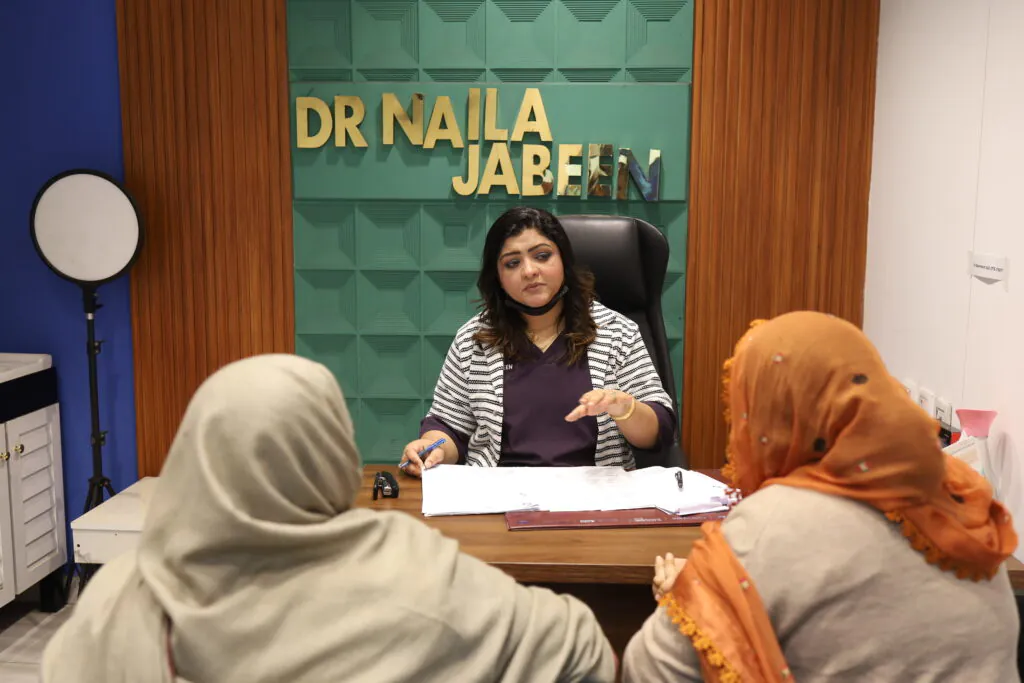
Choosing to start fertility treatment is a big decision, and one of the first questions most couples ask is, “Is IVF safe?” It is a completely natural concern. Many couples in Pakistan worry about the procedure, possible side effects, and whether IVF could affect the mother’s or baby’s health. The good news is that IVF has been used successfully for more than four decades and is considered a safe and effective fertility treatment when performed by experienced specialists. At AAS Fertility & IVF Center on Jail Road, Lahore, Dr. Naila Jabeen believes every couple deserves honest information so they can make confident decisions about their fertility journey. This guide explains IVF safety, possible risks, and what you can realistically expect throughout treatment.
Is IVF Safe? The Short Answer
Yes, IVF is considered a safe medical procedure when it is performed by an experienced fertility specialist in a well-equipped fertility clinic.
Since the birth of the world’s first IVF baby in 1978, more than 8 million babies have been born through In Vitro Fertilisation (IVF) worldwide. Continuous medical research, improved laboratory technology, and better treatment protocols have made IVF safer than ever before.
In Pakistan, IVF is now widely available at reputable fertility centers and follows internationally accepted medical standards. At trusted clinics like AAS Fertility & IVF Center, patient safety remains the highest priority throughout every stage of treatment.
Many Pakistani couples also ask whether IVF is allowed in Islam. The Federal Shariat Court of Pakistan (2017) confirmed that IVF is permissible when the sperm and egg belong to a legally married couple and the embryo is transferred into the wife’s uterus. This reassurance allows many families to pursue fertility treatment with confidence and peace of mind.
Although every medical treatment carries some risks, serious IVF complications are uncommon, especially when patients receive proper monitoring from an experienced fertility specialist.
How Does IVF Work?
Understanding how IVF works makes it much easier to understand why the treatment is considered safe.
IVF, commonly known as the test tube baby procedure, follows several carefully monitored steps.
The process begins with ovarian stimulation, where hormone injections help the ovaries produce multiple mature eggs instead of the single egg released during a normal menstrual cycle.
Once the eggs are ready, they are collected through a minor procedure called egg retrieval, performed under light sedation to keep patients comfortable.
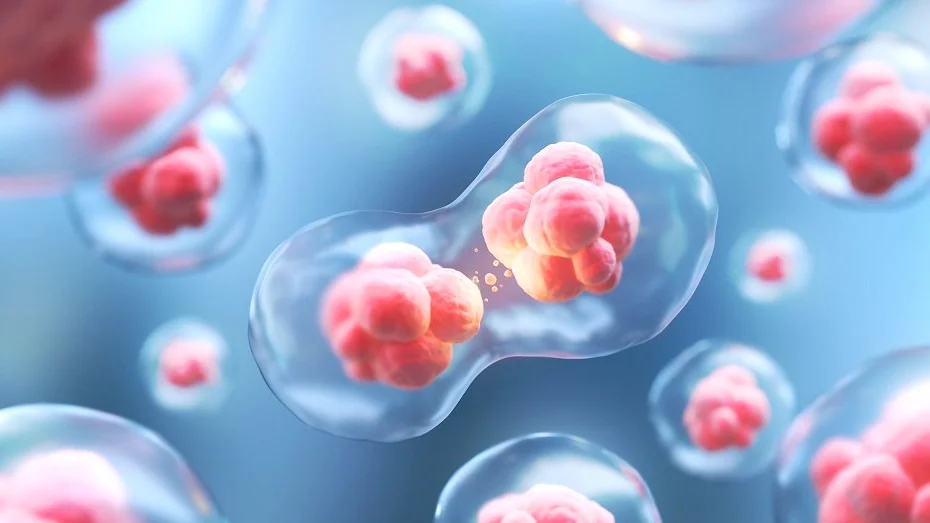
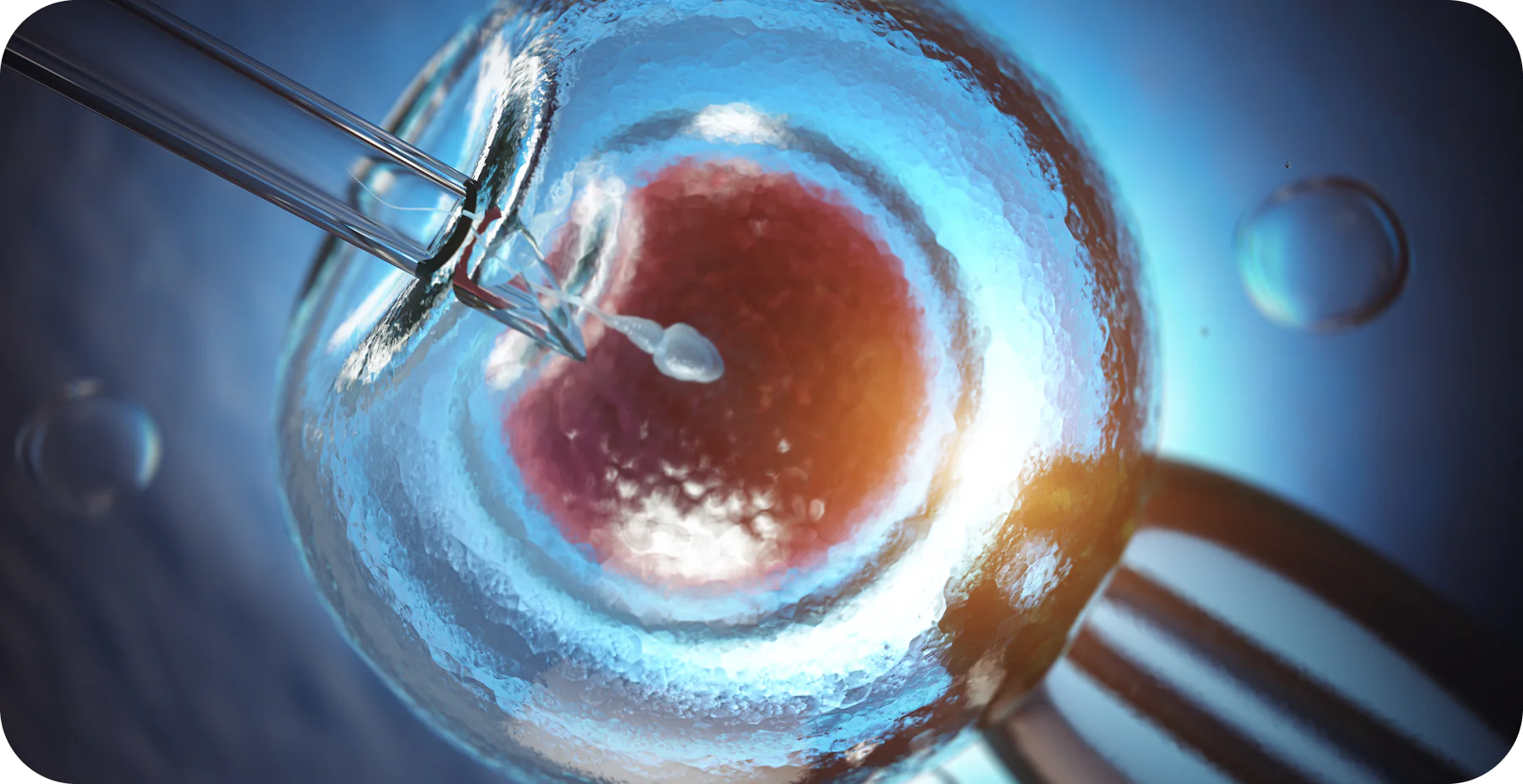
In the laboratory, the eggs are fertilised with sperm under highly controlled conditions. The resulting embryos are monitored carefully for several days to assess their development and quality.
The healthiest embryo is then transferred into the uterus through a simple procedure known as embryo transfer. About two weeks later, a blood test confirms whether pregnancy has occurred.
For a detailed explanation of every stage, visit IVF
Common IVF Side Effects (What to Expect)
Most IVF side effects are mild, temporary, and improve soon after treatment is completed. Knowing what to expect can help reduce anxiety before starting your IVF journey.
Bloating and Mild Discomfort
During ovarian stimulation, your ovaries temporarily become larger as several eggs mature at the same time. This may cause mild bloating, abdominal fullness, or slight pelvic discomfort.
Most women describe the feeling as similar to menstrual bloating. It usually disappears naturally after egg retrieval or shortly afterward.
Mood Swings and Emotional Changes
Hormonal injections used during IVF can temporarily affect your mood. Some women feel more emotional, sensitive, or irritable during treatment.
It is important to remember that these emotional changes are caused by hormonal fluctuations and the stress of fertility treatment. Having emotional support from your partner, family, and fertility team can make the process much easier.
Mild Bruising from Injections
Daily hormone injections are a normal part of IVF treatment. Occasionally, small bruises, redness, or mild tenderness can appear at the injection site.
These minor reactions usually heal within a few days and rarely require any medical treatment. Rotating injection sites can also help reduce discomfort.
Fatigue During Treatment
Many women notice that they feel more tired than usual during IVF. Hormonal changes, frequent clinic visits, and emotional stress all contribute to temporary fatigue.
Getting enough sleep, drinking plenty of water, and maintaining a healthy diet can help improve your energy levels throughout treatment.
Light Spotting After Embryo Transfer
Some women experience very light spotting after embryo transfer. This can happen because the cervix has been gently touched during the procedure or because the embryo is beginning to implant.
Light spotting is usually not a cause for concern. However, heavy bleeding or severe pain should always be reported to your fertility specialist immediately.
Fortunately, these side effects are generally mild and short-lived. Most women complete IVF treatment without experiencing serious medical problems.
What Are the Real Risks of IVF?
Every medical procedure has some risks, and IVF is no exception. The good news is that serious complications are uncommon and can usually be prevented or managed through careful monitoring by experienced fertility specialists.
Ovarian Hyperstimulation Syndrome (OHSS)
One of the most discussed IVF complications is Ovarian Hyperstimulation Syndrome (OHSS). This condition occurs when the ovaries respond too strongly to fertility medications and become swollen.
Symptoms may include bloating, abdominal discomfort, nausea, or temporary weight gain. Fortunately, most OHSS cases are mild and improve with rest and careful observation.
Severe OHSS occurs in less than 2% of IVF cycles because modern fertility clinics carefully monitor hormone levels and ultrasound scans throughout treatment. At AAS Fertility & IVF Center, medication doses are personalised to minimise this risk.
Multiple Pregnancy Risk
When more than one embryo is transferred, there is a higher chance of twins or triplets.
Although many couples see twins as a blessing, multiple pregnancies increase the risk of premature birth, pregnancy complications, and low birth weight.
Today, many fertility specialists recommend single embryo transfer whenever appropriate. This approach maintains excellent pregnancy rates while significantly reducing the chances of multiple pregnancy and improving overall IVF safety.
Ectopic Pregnancy
An ectopic pregnancy happens when an embryo implants outside the uterus, usually in a fallopian tube.
This complication is rare after IVF but can still occur. Early pregnancy scans allow fertility specialists to diagnose it quickly and provide prompt treatment to protect the mother’s health.
Emotional and Psychological Effects
For many couples, the emotional side of IVF can be more challenging than the physical treatment.
Waiting for results, coping with uncertainty, or experiencing an unsuccessful cycle can cause anxiety, sadness, or disappointment. These emotions are completely normal.
At AAS Fertility & IVF Center, Dr. Naila Jabeen and her team understand that fertility treatment is both a medical and emotional journey. Patients receive compassionate guidance, honest communication, and continuous support throughout every stage of treatment, helping them feel informed, reassured, and never alone.
Is IVF Safe for Women Over 35?
Yes, IVF remains a safe and effective fertility treatment for many women over the age of 35. While female fertility naturally declines with age, this does not mean pregnancy is impossible. Many women in their late 30s and early 40s successfully conceive with IVF under the guidance of an experienced fertility specialist.
After the age of 35, both the number and quality of eggs gradually decrease. This can lower the chances of natural conception and may affect the IVF success rate in Pakistan. However, advances in reproductive medicine have significantly improved outcomes for women in this age group.
One important advancement is Preimplantation Genetic Testing (PGT-A). This technique checks embryos for chromosomal abnormalities before transfer, helping specialists select embryos with the highest chance of resulting in a healthy pregnancy. PGT-A may also reduce the risk of miscarriage in suitable patients.
At AAS Fertility & IVF Center, Dr. Naila Jabeen develops personalised IVF treatment plans based on age, ovarian reserve, overall health, and fertility history. Every patient receives individual care rather than a one-size-fits-all approach.
For more information, visit PGT-A at AAS Fertility
Is IVF Safe for the Baby?
One of the biggest concerns parents have is whether IVF babies are as healthy as naturally conceived babies. The reassuring answer is yes.
More than four decades of international research show that children born through IVF generally grow, develop, and live healthy lives just like children conceived naturally. Millions of healthy babies have been born through IVF across the world, giving doctors extensive knowledge about the long-term safety of the procedure.
Large scientific studies have found no significant increase in birth defects caused by IVF itself. In most cases, factors such as the parents’ age, existing medical conditions, or genetic factors have a greater influence on pregnancy outcomes than the IVF procedure.
The quality of the IVF laboratory also plays an important role. Modern embryo culture systems, strict laboratory standards, and experienced embryologists help create the safest possible environment for embryo development.
At AAS Fertility & IVF Center, advanced laboratory technology and internationally accepted quality standards are followed throughout every IVF cycle to maximise both safety and treatment success.
How to Minimise IVF Risks — Tips from Dr. Naila Jabeen
Although IVF is considered safe, there are several simple steps that can make your treatment even safer and improve your chances of success.
1. Choose a Clinic with Experienced Specialists and a Modern Laboratory
Your choice of fertility clinic matters. An experienced specialist and a well-equipped IVF laboratory greatly reduce treatment risks while improving pregnancy outcomes.
2. Be Honest About Your Full Medical History
Always tell your fertility specialist about previous pregnancies, surgeries, medications, allergies, and medical conditions. Complete information helps your doctor design the safest treatment plan for you.
3. Follow All Medication Instructions Carefully
Take fertility medications exactly as prescribed. Never change your dose or skip injections without speaking to your doctor, as correct medication timing is essential for safe ovarian stimulation.
4. Attend Every Monitoring Appointment
Regular blood tests and ultrasound scans allow your fertility specialist to monitor how your ovaries respond to treatment. Early monitoring helps prevent complications such as Ovarian Hyperstimulation Syndrome (OHSS).
5. Avoid Smoking, Alcohol, and Excess Stress During Treatment
Smoking can reduce egg quality and sperm quality, while alcohol may negatively affect fertility. Managing stress through relaxation, light exercise, and family support can also make the IVF journey easier.
6. Ask Questions — Never Hesitate to Contact Your Doctor
There are no unimportant questions during fertility treatment. If something worries you, contact your fertility specialist immediately. Clear communication helps you feel confident and ensures that any concerns are addressed promptly.
IVF Safe in Pakistan? What You Should Look For in a Clinic
IVF is safe in Pakistan when performed at a qualified fertility center that follows international medical standards. However, not every clinic offers the same level of expertise or patient care.
Before choosing a fertility clinic, look for an experienced IVF specialist, a modern embryology laboratory, personalised treatment plans, transparent pricing, and compassionate patient support. These factors play a major role in both treatment safety and success.
At AAS Fertility & IVF Center, every treatment plan is carefully tailored to the individual patient. Dr. Naila Jabeen combines evidence-based fertility care with honest communication, ensuring patients understand every stage of treatment before making any decisions.
Conveniently located on Jail Road, Lahore, AAS Fertility offers advanced IVF, ICSI, fertility preservation, and comprehensive reproductive care in a safe, patient-focused environment.
If you are considering IVF but still have questions, Book your free consultation today (Internal Link: /contact/) and receive personalised guidance from an experienced fertility specialist.
Frequently Asked Questions
Q: Is IVF safe in Pakistan?
A: Yes. IVF is safe when performed by a qualified fertility specialist in a modern fertility clinic. Millions of couples worldwide have safely undergone IVF. At AAS Fertility & IVF Center, patient safety is the highest priority under Dr. Naila Jabeen’s supervision.
Q: Is IVF painful?
A: Most patients experience only mild discomfort rather than severe pain. Egg retrieval is performed under sedation, while fertility injections may cause slight bruising. Most IVF side effects are temporary and manageable.
Q: What are the main risks of IVF?
A: The main risks include mild OHSS, multiple pregnancy when multiple embryos are transferred, and emotional stress. Careful monitoring by an experienced fertility specialist keeps these risks low.
Q: Is IVF safe for women over 40?
A: Yes. IVF can be safely performed after 40, although success rates naturally decline with age. Techniques like PGT-A genetic testing may improve treatment outcomes for suitable patients.
Q: Can IVF cause cancer?
A: Current medical research has not established a direct link between IVF treatment and cancer. Decades of research involving millions of IVF patients show no confirmed significant increase in cancer risk caused by IVF.
Q: Is the test tube baby process safe?
A: Yes. The test tube baby process (IVF) is a well-established medical treatment. When carried out by experienced fertility specialists using proper monitoring and modern laboratory techniques, it is considered safe for most women and has resulted in millions of healthy births worldwide.
Conclusion
Choosing IVF is an important step, and it is completely normal to have questions about safety. The reassuring news is that IVF is one of the most researched fertility treatments in the world and has helped millions of families achieve their dream of parenthood. While every medical procedure carries some risks, most IVF side effects are mild, temporary, and carefully managed by experienced specialists. With personalised treatment, close monitoring, and expert care, IVF remains a safe and effective option for many couples in Pakistan.
If you are considering fertility treatment, Contact AAS Fertility & IVF Center today on Jail Road, Lahore — [Book a free consultation] (Internal Link: /contact/) and discuss your concerns with Dr. Naila Jabeen.
IVF is considered safe in Pakistan when performed by qualified fertility specialists using modern medical protocols and advanced laboratory standards. Millions of healthy babies have been born through IVF worldwide. Although minor side effects and some risks exist, they are usually manageable through careful monitoring and personalised treatment. At AAS Fertility & IVF Center, Dr. Naila Jabeen provides evidence-based, compassionate fertility care to help couples begin their parenthood journey with confidence.