


Modern life offers women more choices than ever in career, education, and relationships. But biological fertility still has limits. Egg freezing gives women the flexibility to plan motherhood on their own timeline. At AAS Fertility & IVF Center, this procedure empowers women to preserve their fertility safely and effectively.
If you’ve ever wondered whether egg freezing is right for you, this guide explains everything you need to know.
What Is Egg Freezing?
Egg freezing, or oocyte cryopreservation, is a procedure that allows women to preserve their eggs for future use. The eggs are collected, frozen, and stored using advanced techniques until the woman decides to conceive. When the time comes, the eggs can be thawed, fertilized through IVF, and transferred to the uterus.
This technology gives women more control over their reproductive health and family planning.
Who Should Consider This Process?
Egg freezing isn’t just for women delaying motherhood; it’s for anyone who wants to safeguard their fertility for medical, personal, or professional reasons. You might consider egg freezing if:
- You’re in your late 20s to early 30s and want to delay pregnancy.
- You’re focused on your career or education, but want children later.
- You have a medical condition (like endometriosis or cancer) that could affect fertility.
- You’re undergoing chemotherapy or radiation therapy.
- You want to preserve eggs before IVF for future attempts.
- You haven’t found the right partner, but want to secure healthy eggs now.
AAS Fertility specialists guide every patient through these decisions with personalized advice.
What’s the Best Age to Preserve Your Eggs?
Age plays a major role in egg quality and quantity. The earlier you freeze your eggs, the higher your chances of future success.
Here’s a general guide:
- Best time: Before age 35, eggs are healthiest.
- Still possible: 35–40 may need more cycles for optimal results.
- Above 40: Possible but with lower success rates.
AAS Fertility conducts ovarian reserve testing to determine the best time for each individual.
How the Egg Preservation Journey Works

The egg preservation process involves several careful steps to ensure quality and safety:
- Initial Consultation:
You’ll meet a fertility specialist for evaluation, hormone testing, and an ultrasound. - Ovarian Stimulation:
Hormonal medications stimulate your ovaries to produce multiple eggs. - Egg Retrieval:
Eggs are collected through a minor procedure under sedation, quick and painless. - Freezing (Vitrification):
Mature eggs are rapidly frozen using advanced vitrification technology, preserving them without damage. - Storage:
Eggs are safely stored in cryogenic tanks until you’re ready to use them.
When you decide to conceive, the eggs are thawed, fertilized with sperm, and implanted via IVF.
How Long Can Eggs Stay Frozen?
Frozen eggs can remain viable for 10–20 years or even longer with proper storage. Studies show that the duration of freezing does not significantly affect egg quality when modern vitrification methods are used.
AAS Fertility ensures eggs are stored under continuous monitoring in high-standard facilities.
Success Rates of Egg Freezing
Success depends on the woman’s age at the time of freezing and the number of eggs retrieved.
- Under 35: High success rates due to better egg quality.
- 35–40: Moderate success, depending on egg count and health.
AAS Fertility provides realistic guidance based on scientific data, helping patients understand probabilities before making decisions.
Advantages of Egg Freezing
- Preserves fertility during prime reproductive years.
- Provides peace of mind for women who want flexibility.
- Protects against fertility loss due to illness or treatment.
- Allows use of younger, healthier eggs later in life.
- Encourages informed reproductive choices without pressure.

Things to Consider Before Egg Freezing
While egg freezing offers hope, it’s essential to stay informed:
- Costs can vary depending on the medication and storage duration.
- It does not guarantee pregnancy, but it improves the chances.
- The procedure requires hormone injections and monitoring.
- Thawed eggs must be fertilized through IVF.
AAS Fertility ensures every patient receives full medical and emotional support through every stage.
Why Choose AAS Fertility & IVF Center
AAS Fertility combines medical expertise with compassion. Their fertility specialists use advanced freezing techniques and offer complete care from testing and counseling to egg retrieval and long-term storage. Every plan is personalized for each woman’s needs and goals.
Conclusion
Egg freezing is more than a medical advancement; it’s a step toward reproductive freedom. Whether you’re postponing motherhood, focusing on your career, or managing health concerns, egg freezing offers the chance to preserve your future fertility on your own terms. At AAS Fertility & IVF Center, the process is made simple, safe, and supported by experts who care about your journey now and in the future.

When it comes to fertility and infertility, myths are everywhere. From old wives’ tales to social media “advice,” couples often face confusion when trying to conceive. These misconceptions can delay diagnosis and treatment. At AAS Fertility & IVF Center, experts believe that accurate knowledge is the first step toward a successful pregnancy.
Let’s debunk the most common fertility myths with facts backed by science.
Myth 1: Infertility Is Mostly a Woman’s Problem
Fact:
Infertility affects both partners. Studies show that male factors contribute to nearly 40–50% of all infertility cases. Low sperm count, poor motility, and hormonal imbalance are common causes. At AAS Fertility, comprehensive testing for both partners ensures that no underlying issues are missed.
Myth 2: Age Only Affects Women’s Fertility
Fact:
While women’s fertility declines more noticeably after 35, men are not exempt. Sperm quality also decreases with age, affecting embryo health and pregnancy outcomes. Both partners benefit from early fertility evaluations to plan treatment effectively.
Myth 3: You Can’t Get Pregnant If You Miss Your “Fertile Window” Once
Fact:
Conception is possible at different times depending on ovulation patterns. Cycles can vary, and sperm can survive inside the female body for up to 5 days. Tracking ovulation and understanding your unique cycle improves timing, something fertility specialists guide couples on.
Myth 4: Stress Alone Causes Infertility

Fact:
Stress doesn’t cause infertility, but it can affect hormones that influence ovulation and sperm quality.
Severe anxiety may make conception harder, but it’s rarely the sole reason. That’s why AAS Fertility offers emotional support and stress management as part of treatment plans.
Myth 5: Lifestyle Changes Alone Can Cure Infertility
Fact:
Healthy habits improve fertility but don’t replace medical treatment. Conditions like blocked tubes, endometriosis, or hormonal imbalances require professional intervention. Lifestyle changes should complement, not substitute, medical evaluation and treatment.
Myth 6: IVF Guarantees Pregnancy
Fact:
IVF increases chances of conception, but it’s not a 100% guarantee. Success rates depend on factors like age, egg and sperm quality, and overall health. AAS Fertility emphasizes realistic expectations while using advanced IVF techniques for better outcomes.
Myth 7: If You’ve Had One Child, You Won’t Face Infertility Later
Fact:
Secondary infertility, difficulty conceiving after a previous pregnancy, is real. Age, hormonal changes, or new medical issues can affect fertility even after a successful birth. Proper diagnosis helps identify new challenges early on.
Myth 8: Natural Remedies and Herbal Supplements Can Fix Infertility
Fact:
There’s no scientific proof that herbs or “natural cures” alone can treat infertility. Unverified remedies can even interfere with prescribed medications. Always consult a fertility specialist before starting any supplement or alternative treatment.

Myth 9: Frequent Intercourse Increases Chances of Pregnancy
Fact:
Quality matters more than quantity. Regular intercourse during the fertile window is enough. Excessive frequency can lower sperm count temporarily. AAS Fertility helps couples plan the optimal timing through personalized fertility tracking.
Myth 10: Once You Start Fertility Treatment, You’ll Need It Forever
Fact:
Many couples conceive after one or two treatment cycles. Some even succeed naturally afterward. Fertility treatments are designed to restore balance, not create dependency.
Conclusion
Understanding fertility myths vs. facts empowers couples to make informed choices. False beliefs can delay treatment and increase stress. At AAS Fertility & IVF Center, every couple receives honest guidance, evidence-based care, and emotional support throughout their journey. With the right knowledge and medical help, conception becomes not just a hope but a real possibility.
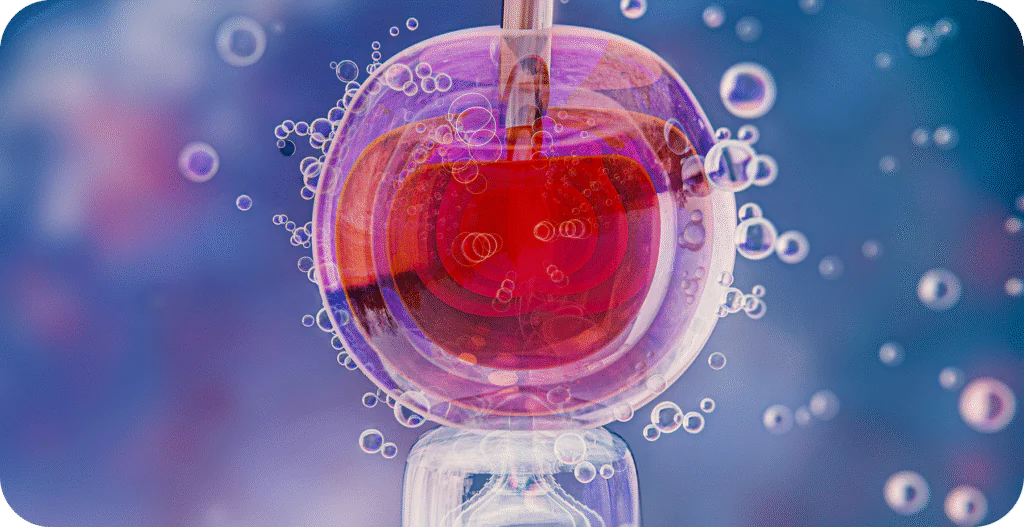
IVF success rates reflect the likelihood of achieving pregnancy through in vitro fertilization. However, these numbers can be confusing for many couples. Understanding what they mean helps you set realistic expectations. At AAS Fertility & IVF Center, doctors explain these rates clearly. Their goal is to help patients understand the process, not just the percentages.
What Do IVF Success Rates Mean?
IVF success rates indicate the percentage of cycles that result in a live birth. They vary based on age, health, and treatment type. It’s important to know that success rates are averages, not guarantees. They give insight into how well a clinic’s treatments perform overall. Couples should always discuss their personal chances with a fertility expert.
Factors That Influence IVF Success Rates
Many factors affect IVF outcomes, including biological and medical conditions. Understanding these helps improve treatment results.
- Age of the woman: Fertility declines with age, especially after 35.
- Egg and sperm quality: Healthy gametes boost embryo development.
- Uterine health: A healthy uterus supports embryo implantation.
- Lifestyle choices: Smoking, alcohol, and stress reduce success rates.
- Clinic expertise: Experience and technology matter in IVF outcomes.
AAS Fertility ensures each factor is carefully optimized for better success.
How to Interpret IVF Success Statistics
When reviewing clinic data, focus on the live birth rate per cycle. A higher rate generally reflects better outcomes. However, clinics treating complex cases may show lower numbers. That doesn’t mean the care is poor; it means they accept tougher cases. AAS Fertility prioritizes personalized care, not just statistics.
Age and IVF Success
Age is one of the strongest predictors of IVF success. Women under 35 typically have higher success rates. Those between 35 and 40 can still conceive with proper support. For women above 40, advanced techniques like ICSI can help. AAS Fertility tailors each plan to the patient’s age and egg health.
Role of Embryo Quality in IVF Success Rates
Embryo quality directly affects IVF outcomes. Healthy embryos implant more successfully and grow into healthy pregnancies. At AAS Fertility, embryologists carefully select and monitor embryos. They use advanced lab technology to ensure the best possible results. This approach improves both success rates and patient confidence.
Male Factors and IVF Success
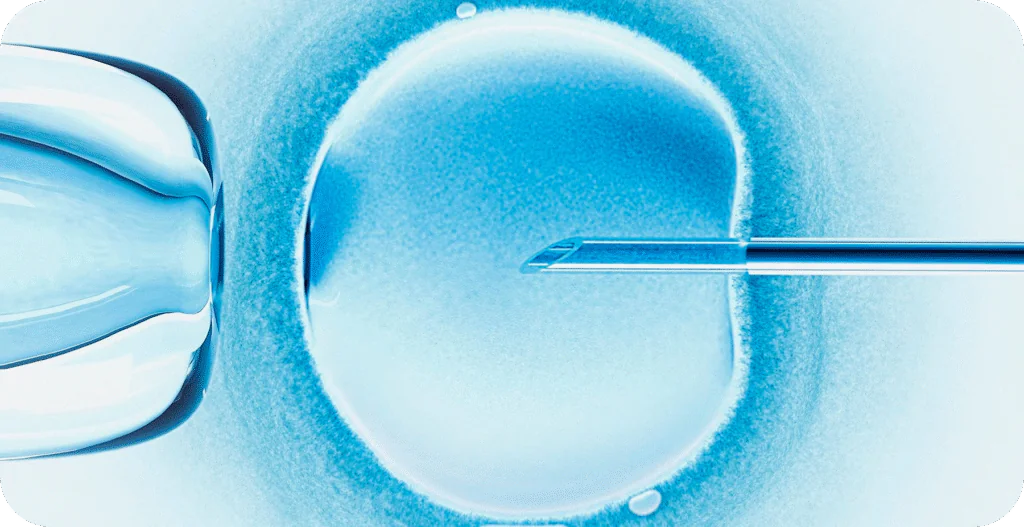
Male fertility has a major impact on IVF success rates. When sperm count is low, or motility and shape are weak, the chances of creating strong embryos naturally drop. This is why many couples struggle even when everything seems normal on the female side.
With ICSI, the process becomes more precise, so that even a single healthy sperm can fertilize an egg. This gives couples dealing with male infertility a much better chance at successful embryo formation.
At AAS Fertility, advanced male infertility treatments and detailed semen analysis help identify the exact issue so the right treatment can be planned. Whether it’s lifestyle guidance, medication, or assisted procedures like ICSI, the goal is to improve embryo quality and boost your IVF success rate with confidence and clarity.

Lifestyle and IVF Outcomes
Healthy living supports reproductive success. Balanced nutrition, exercise, and stress management improve outcomes. Avoid smoking and alcohol before and during treatment. These small changes can make a big difference in your success rate.
Emotional Support and Realistic Expectations
IVF is not just a medical journey; it’s emotional, too. Couples may feel anxious or discouraged during multiple cycles. Emotional support improves mindset and treatment response. AAS Fertility provides counseling to help patients stay strong and hopeful.
Why Choose AAS Fertility & IVF Center
AAS Fertility combines medical expertise with compassionate care. Their success rates come from individualized treatment, not shortcuts. Each couple receives a plan designed for their unique fertility needs. Their transparent approach helps patients understand every step clearly.
Improving Your Chances of IVF Success
You can improve your chances by:
- Maintaining a healthy BMI
- Managing stress through relaxation
- Following the prescribed medication
- Avoiding toxins and processed food
- Getting enough sleep and hydration
Consistency and care help the body respond better to treatment.
Conclusion
IVF success rates are more than just numbers; they reflect care, science, and hope. Every couple’s journey is unique, and so are their results. At AAS Fertility & IVF Center, experts help you make sense of the data. They ensure you get the right guidance, realistic expectations, and the best chance at success.

Male infertility treatment focuses on restoring reproductive health in men struggling to conceive. It addresses hormonal issues, sperm quality, and lifestyle factors. Globally, male infertility contributes to nearly half of all infertility cases. But with the right diagnosis and care, successful conception is possible. At AAS Fertility & IVF Center, experts guide patients with personalized solutions.
They aim to improve sperm health and enhance fertility outcomes.
What Is Male Infertility Treatment?
Male infertility treatment involves medical and lifestyle interventions to improve fertility. It targets problems such as low sperm count, poor sperm motility, and hormonal imbalance. The process starts with detailed diagnostic tests to identify the root cause. Doctors then design a plan that includes medication, therapy, or assisted reproductive techniques. Timely treatment can significantly improve pregnancy success rates.
Common Causes of Male Infertility
Understanding the causes helps in selecting the right male infertility treatment. Several biological and lifestyle factors contribute to reduced fertility.
- Low sperm count or motility
- Varicocele (enlarged veins in the scrotum)
- Hormonal imbalance
- Genetic disorders
- Infections or STIs
- Excessive heat exposure
- Smoking, alcohol, or drug use
- Obesity or poor diet
Each factor requires a customized treatment plan. AAS Fertility provides a thorough evaluation to ensure an accurate diagnosis.
Diagnosis of Male Infertility
Diagnosis is the first step toward recovery. Doctors at AAS Fertility follow an evidence-based approach. They start with medical history and physical examination. Then, semen analysis checks sperm count, shape, and movement. Hormone tests assess testosterone and other reproductive hormones. Ultrasound scans identify physical abnormalities like blockages or varicocele. This comprehensive process ensures a precise treatment path.
Lifestyle Changes to Boost Fertility

Lifestyle plays a vital role in male infertility treatment. Healthy habits can enhance sperm quality and overall fertility.
1. Maintain a Healthy Weight
Obesity can lower testosterone levels and affect sperm production. Losing even a small amount of weight improves fertility outcomes.
2. Eat Fertility-Boosting Foods
Add foods rich in zinc, vitamin C, and omega-3 fatty acids. These nutrients support sperm formation and motility.
3. Stay Physically Active
Regular exercise balances hormones and increases energy levels. Avoid overtraining, as excessive stress harms sperm health.
4. Quit Smoking and Alcohol
Both habits damage sperm DNA and reduce sperm count. Quitting improves chances of conception.
5. Manage Stress
Chronic stress affects hormonal balance and reduces libido. Meditation, therapy, and rest help manage stress effectively.
Medical Options for Male Infertility Treatment
When lifestyle changes aren’t enough, medical treatment offers solutions. Doctors at AAS Fertility provide advanced care tailored to each patient.
1. Hormone Therapy
If low hormone levels cause infertility, hormone replacement or stimulation therapy helps restore balance.
2. Medications
Drugs can treat infections, inflammation, or erectile dysfunction. They help improve sperm production and function.
3. Surgery
Corrective surgery can repair blocked ducts or varicoceles. It enhances sperm flow and quality.
4. Assisted Reproductive Techniques (ART)
When natural conception isn’t possible, ART options are available.
These include:
- Intrauterine Insemination (IUI) – sperm is placed directly in the uterus.
- In Vitro Fertilization (IVF) – eggs and sperm combine outside the body.
- ICSI (Intracytoplasmic Sperm Injection) – a single sperm is injected into an egg.
These methods increase conception chances significantly.
The Role of AAS Fertility in Male Infertility Treatment
AAS Fertility & IVF Center offers holistic fertility solutions. Their specialists use cutting-edge technology and compassionate care. They assess lifestyle, hormonal, and physical factors for each patient. The clinic’s approach combines modern science with personalized support. Men receive guidance on lifestyle, medication, and reproductive options. This patient-centered strategy ensures lasting improvement in fertility health.
Prevention Tips for Male Infertility
Prevention is better than treatment. Follow these steps to protect reproductive health:
- Eat a balanced diet.
- Avoid smoking and alcohol.
- Manage weight effectively.
- Protect the groin area from heat.
- Exercise moderately.
- Get regular medical checkups.
- Manage stress daily.
These actions maintain hormonal balance and sperm quality.
When to Seek Medical Help
If conception doesn’t occur after one year of unprotected intercourse, consult a fertility specialist. Early diagnosis can prevent complications and improve treatment outcomes. At AAS Fertility, doctors provide discreet and expert guidance for men facing fertility issues.
Emotional Support During Male Infertility Treatment
Fertility challenges can affect emotional health. It’s normal to feel anxious, frustrated, or uncertain. Support from family, counselors, and doctors makes a difference. AAS Fertility’s team offers emotional support programs for men. They ensure patients feel heard, respected, and empowered throughout the journey.
Success Stories and Hope
Many men have successfully regained fertility with the right treatment. Male infertility treatment improves not only sperm health but also overall well-being. With early intervention and a healthy lifestyle, conception becomes achievable. AAS Fertility continues to help families realize their dream of parenthood.
Conclusion
Male infertility treatment brings hope to couples struggling to conceive. Through expert diagnosis, lifestyle changes, and modern therapies, positive results are achievable. If you or your partner face fertility challenges, seek professional help early. AAS Fertility & IVF Center offers comprehensive care to restore fertility and confidence.

Trying to conceive can be one of the most emotional and uncertain journeys for any couple. While some achieve pregnancy within a few months, others experience unexpected delays that spark concern. Knowing when to visit a fertility doctor or consult a fertility specialist can make a huge difference in your chances of success.
Early evaluation at a trusted fertility clinic helps identify hidden issues, provides expert guidance, and opens doors to effective treatments. In this blog, we’ll explore the signs, timelines, and expert insights that will help you decide when to take that next important step toward parenthood.
Understanding Fertility and When to Seek Help
Fertility is often something couples take for granted until conception doesn’t happen as expected. For many, trying to conceive becomes a journey filled with excitement, confusion, and emotional ups and downs. The question that often arises is simple yet significant: When should you visit a fertility doctor?
Before diving into the signs and timelines, it’s important to understand what fertility means. Fertility is the natural ability to conceive a child through regular, unprotected sexual intercourse. However, when conception doesn’t occur after a reasonable period, it may be time to evaluate underlying causes and consult a professional.
If you’re struggling to conceive despite your best efforts, visiting a fertility doctor isn’t just a medical step; it’s a hopeful one. These specialists identify possible issues, guide you through fertility tests, and create personalized treatment plans tailored to your unique situation.
Why Timing Matters in Fertility Treatment
Timing plays a crucial role in conception. In women, the window of fertility changes each month, depending on ovulation. However, for couples trying for months without success, time can also mean missed opportunities.
Generally, doctors recommend trying naturally for one year if you’re under 35 and for six months if you’re over 35. If pregnancy still doesn’t occur, it’s time to visit a fertility doctor for a complete evaluation.
This timeline is based on age-related fertility decline, which affects both egg quality and quantity in women. As age increases, so does the risk of irregular ovulation and other complications. Therefore, timely intervention can make a huge difference.

Common Signs It’s Time to Visit a Fertility Doctor
If you’ve been wondering whether your fertility concerns are serious enough to see a specialist, here are several signs that suggest it’s time to schedule that appointment.
1. Trying for a Year Without Success
If you’ve had unprotected intercourse for 12 months without conceiving, you should visit a fertility doctor. This duration is considered the medical benchmark for infertility.
Even if you’re in good health and your lifestyle seems balanced, unseen reproductive issues might be the reason behind the delay. A fertility expert can evaluate your condition using tests like hormonal analysis, semen evaluation, and ultrasound scans.
2. Irregular or Absent Periods
A regular menstrual cycle is an important indicator of healthy ovulation. If your cycles are consistently irregular or absent, it’s a strong sign that ovulation may not be occurring.
Without ovulation, conception becomes impossible. Visiting a fertility doctor early can help determine whether conditions such as polycystic ovary syndrome (PCOS), thyroid disorders, or hormonal imbalances are causing the issue.
3. Age Over 35 (for Women)
Age is one of the biggest factors in fertility. Women over 35 experience a natural decline in both egg count and quality. If you’re in this age group and have been trying to conceive for more than six months, it’s best to visit a fertility doctor.
For women over 40, immediate evaluation is often recommended, as the chances of conception naturally are significantly lower without medical support.
4. Known Reproductive Issues
If you or your partner already has known reproductive conditions like PCOS, endometriosis, low sperm count, or blocked fallopian tubes, there’s no reason to delay seeing a fertility specialist. Early consultation can prevent months or even years of uncertainty.
5. Multiple Miscarriages
Experiencing two or more miscarriages can be emotionally devastating. However, recurrent pregnancy loss often signals an underlying problem such as chromosomal issues, uterine abnormalities, or immune disorders. A fertility doctor can help identify the exact cause and recommend the right treatment or assisted reproductive technique.
What Happens When You Visit a Fertility Doctor

If you’ve decided to schedule your first appointment, knowing what to expect can ease your nerves.
A fertility consultation usually starts with a detailed discussion about your medical history, lifestyle, and previous attempts at conception. Both partners are encouraged to attend since infertility affects men and women equally.
Step 1: Initial Evaluation
Your doctor will ask about your menstrual cycle, prior pregnancies, and any previous medical treatments. For men, lifestyle factors like stress, smoking, and alcohol use are also discussed.
Step 2: Diagnostic Tests
To identify possible causes, your fertility specialist may recommend tests such as:
- Hormonal blood tests
- Ovulation tracking
- Ultrasound or hysterosalpingography (HSG)
- Semen analysis
The goal is to pinpoint what’s preventing conception, whether it’s hormonal, structural, or lifestyle-related.
Step 3: Personalized Treatment Plan
Once the results are in, the fertility doctor designs a personalized treatment plan. Depending on your diagnosis, you may be advised to undergo ovulation induction, intrauterine insemination (IUI), or in vitro fertilization (IVF).
Transitioning to this stage often brings renewed hope for couples who have tried naturally without success.
Key Reasons to Visit a Fertility Doctor Early
Some people wait too long before consulting a fertility expert, thinking they should “just try a little longer.” However, early medical support can significantly improve your chances of a successful pregnancy.
1. Early Diagnosis of Underlying Issues
The sooner you visit a fertility doctor, the faster you can identify potential issues such as hormonal imbalances or low sperm motility. Detecting these problems early allows for more effective treatment.
2. Prevent Age-Related Decline
Fertility in both men and women declines with age. Consulting a specialist early means you can take advantage of the most fertile years while options like egg freezing or early IVF are still effective.
3. Emotional Support and Guidance
Trying to conceive can be emotionally exhausting. Fertility specialists not only provide medical treatment but also emotional reassurance and clarity, helping you make informed, hopeful decisions.
Common Fertility Treatments You Might Encounter
If natural conception doesn’t occur, your fertility specialist may recommend one of the following treatments based on your diagnosis.
Ovulation Induction (OI)
This involves stimulating the ovaries with medication to release eggs. It’s often recommended for women with irregular cycles or conditions like PCOS.
Intrauterine Insemination (IUI)
A simple and less invasive procedure, IUI involves placing washed and concentrated sperm directly into the uterus during ovulation.
In Vitro Fertilization (IVF)
IVF is one of the most advanced and effective fertility treatments available. Eggs are retrieved, fertilized in a lab, and then transferred back into the uterus.
Intracytoplasmic Sperm Injection (ICSI)
For couples with male infertility issues, ICSI can be used in combination with IVF. It involves injecting a single sperm directly into an egg.
Donor Programs and Surrogacy
If your eggs, sperm, or uterus cannot support pregnancy, donor eggs, donor sperm, or surrogacy may be options. Your fertility doctor will help you explore these pathways with compassion and care.
Lifestyle Factors That Affect Fertility
Before or alongside medical treatment, making lifestyle changes can significantly enhance fertility outcomes.

- Maintain a Healthy Weight: Being underweight or overweight affects ovulation and sperm health.
- Eat a Balanced Diet: Focus on nutrient-rich foods containing folate, zinc, and omega-3 fatty acids.
- Quit Smoking and Alcohol: These substances damage reproductive cells and lower conception rates.
- Manage Stress: Chronic stress impacts hormone production. Mindfulness and relaxation techniques help balance the body.
- Regular Exercise: Light to moderate exercise supports hormonal health, but avoid overexercising.
Addressing these areas while you visit a fertility doctor can make your treatment more successful.
The Emotional Journey of Fertility Treatment
Infertility isn’t just a physical challenge; it’s an emotional one too. The constant cycle of hope and disappointment can be draining. However, visiting a fertility doctor can bring comfort through clarity and actionable solutions.
Couples often report feeling empowered once they understand what’s causing their difficulties. With a clear diagnosis and a plan, uncertainty is replaced by purpose and direction.
Why Choose a Trusted Fertility Center
When choosing where to begin your fertility journey, expertise and trust are crucial. Not all clinics offer the same level of technology, compassion, or personalized care. If you’re searching for a reliable partner in your journey, AAS Fertility & IVF Center offers world-class fertility care with cutting-edge technology and compassionate specialists. Their comprehensive treatments from IVF and ICSI to fertility preservation are designed to support you at every step.
Final Thoughts
If you’ve been struggling to conceive, it’s not a sign of failure; it’s simply a signal that you may need professional help. Fertility challenges are common and treatable. The right time to visit a fertility doctor is when hope starts to feel uncertain.
With medical advances, emotional support, and a personalized plan, your dream of parenthood can become a reality. Take that first step today and reach out for professional guidance. You may be closer to success than you think.

Polycystic Ovary Syndrome (PCOS) is one of the most common causes of infertility among women today. It can affect ovulation, hormone balance, and overall reproductive health, making conception more difficult. However, with the right PCOS infertility treatment and lifestyle guidance, pregnancy is absolutely possible.
At AAS Fertility & IVF Center, patients receive personalized treatment plans that target the root cause of PCOS-related infertility. Through advanced diagnostic methods, expert fertility specialists, and compassionate support, AAS helps women regain control of their health and take confident steps toward parenthood.
Understanding PCOS Infertility Treatment and Its Impact on Fertility
PCOS, or Polycystic Ovary Syndrome, is a hormonal imbalance that affects the ovaries and reproductive system. It leads to irregular menstrual cycles, excess androgen levels, and the formation of small cysts on the ovaries. While these cysts are not harmful, they interfere with the release of eggs during ovulation, making conception difficult.
Many women with PCOS experience irregular or absent periods, which directly reduces the chances of natural conception. In some cases, the hormonal imbalance also affects egg quality and uterine health, creating additional challenges. Understanding these changes is the first step toward successful PCOS infertility treatment.
Common Symptoms of PCOS
PCOS manifests differently in every woman, but some symptoms are more common. Recognizing them early helps ensure faster diagnosis and better treatment results.
- Irregular or missed periods
- Excess hair growth on the face or body
- Acne and oily skin
- Weight gain or difficulty losing weight
- Hair thinning or loss
- Difficulty conceiving
If you notice two or more of these symptoms, it’s important to visit a fertility doctor or gynecologist for a detailed hormonal evaluation.

How PCOS Infertility Treatment Addresses the Root Cause
PCOS leads to infertility primarily because of anovulation, or the lack of egg release during the menstrual cycle. Without ovulation, fertilization cannot occur. Additionally, PCOS may cause insulin resistance, which increases insulin levels and disrupts reproductive hormones further.
High levels of insulin can raise testosterone levels in women, which interferes with the development of healthy eggs. This hormonal disturbance impacts ovulation and can reduce fertility rates significantly.
Furthermore, the uterine lining may not develop properly in women with PCOS, making it difficult for a fertilized egg to implant successfully. Therefore, early diagnosis and the right PCOS infertility treatment can make a significant difference.
Diagnosis: How Fertility Experts Identify PCOS
At AAS Fertility & IVF Center, diagnosis begins with a detailed consultation and medical history review. The fertility specialist evaluates symptoms, menstrual patterns, and previous pregnancy attempts.
Tests may include:
- Hormonal blood tests (to check androgen and insulin levels)
- Pelvic ultrasound (to detect ovarian cysts)
- BMI and metabolic assessments (to check insulin resistance)
Early and accurate diagnosis allows doctors to create a treatment plan tailored to each patient’s needs.
AAS Fertility’s Holistic Treatment Approach
When it comes to PCOS infertility treatment, AAS Fertility follows a holistic and evidence-based approach. Their goal is not only to help women conceive but also to restore long-term hormonal balance.
1. Lifestyle Modification and Weight Management
Even a 5–10% weight loss can improve ovulation and fertility outcomes. The specialists at AAS create personalized fitness and dietary plans to stabilize insulin levels and promote natural hormone balance.
2. Ovulation Induction Therapy
Medications like Clomiphene Citrate or Letrozole are commonly prescribed to stimulate ovulation. At AAS Fertility, doctors closely monitor follicle development to ensure safe and effective results.
3. Hormonal Regulation
If insulin resistance or thyroid imbalance is present, targeted medications help regulate hormones and improve menstrual regularity.
4. Advanced Fertility Treatments
For patients who don’t respond to medication, AAS Fertility offers assisted reproductive techniques such as:
- Intrauterine Insemination (IUI)
- In Vitro Fertilization (IVF)
These methods bypass ovulation challenges and increase the chances of conception.
Why Early PCOS Infertility Treatment Matters
Delaying PCOS infertility treatment can make conception harder over time. Chronic hormonal imbalance may worsen, and conditions like endometrial hyperplasia or diabetes can develop. Early medical intervention, especially at a specialized fertility clinic like AAS, ensures a better prognosis and faster results.
Emotional and Mental Health Support During PCOS Infertility Treatment
PCOS often affects more than just physical health. Emotional stress, body image concerns, and fertility anxiety are common. AAS Fertility recognizes the importance of emotional well-being. Their compassionate environment helps women feel supported and understood throughout the treatment journey.
Lifestyle Tips to Support PCOS Fertility Treatment

Alongside medical treatment, certain lifestyle changes can enhance fertility:
- Eat balanced meals: Include lean proteins, whole grains, and fiber-rich foods.
- Limit processed sugar: Reduces insulin spikes and supports hormonal balance.
- Exercise regularly: A combination of strength and cardio exercises improves metabolism.
- Get enough sleep: Poor sleep affects hormone regulation.
- Manage stress: Yoga, meditation, or journaling can reduce cortisol and improve reproductive health.
Why Choose AAS Fertility & IVF Center
At this stage, it’s important to seek a clinic that offers comprehensive care for PCOS-related infertility. AAS Fertility & IVF Center stands out for its personalized care, advanced technology, and commitment to patient success. Their experienced fertility specialists combine medical precision with compassion, guiding each woman toward optimal reproductive health.
Whether you’re planning your first pregnancy or exploring treatment options, AAS provides expert care that helps turn your dream of parenthood into reality.
Conclusion
PCOS is a complex condition, but it doesn’t have to define your fertility journey. With timely diagnosis, expert medical care, and a supportive environment, many women with PCOS go on to achieve healthy pregnancies. By choosing the right clinic and staying consistent with your treatment plan, you can take confident steps toward restoring hormonal balance and embracing motherhood.