

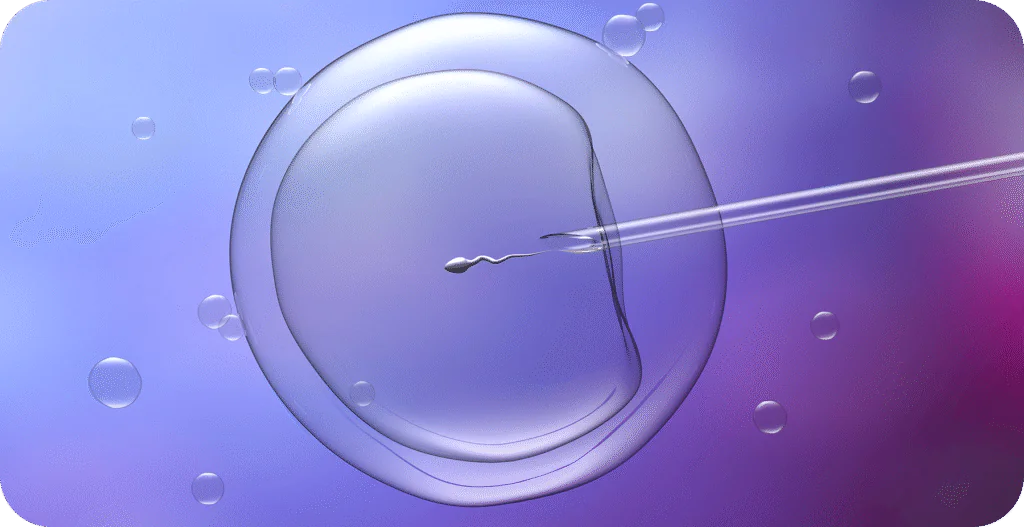
Trying to conceive brings an emotional journey filled with excitement, hope, and sometimes disappointment. For many couples, IVF(In Vitro Fertilization) opens a new door to parenthood when other methods haven’t worked. Understanding the IVF process is the first step toward feeling confident and prepared.
At AAS Fertility & IVF Center, each treatment is handled with compassion, transparency, and medical excellence. In this detailed guide, we’ll walk you through every stage of IVF, from consultation to embryo transfer, so you know exactly what to expect.
Understanding the IVF Process
In Vitro Fertilization (IVF) is one of the most effective fertility treatments for couples facing difficulty conceiving naturally. The procedure involves combining eggs and sperm outside the body in a lab, and then transferring the resulting embryo into the uterus.
The IVF process helps overcome several fertility challenges, such as blocked fallopian tubes, low sperm count, hormonal imbalance, endometriosis, or unexplained infertility. IVF also helps single parents and same-sex couples achieve their dream of parenthood through advanced reproductive techniques.
At its core, IVF is about precision, timing, and care. It’s a blend of medical science and human emotion, offering hope where it once seemed impossible.
Step 1: Initial Consultation and Fertility Assessment
Every IVF journey begins with a thorough consultation. This is where your fertility specialist gathers your medical history, lifestyle details, and previous attempts at conception.
At AAS Fertility & IVF Center, the team focuses on understanding you, not just your test results. Your doctor will discuss your goals, expectations, and any emotional challenges you’ve faced along the way.
You’ll likely undergo several diagnostic tests, such as:
- Hormonal blood tests (FSH, LH, AMH)
- Pelvic ultrasound
- Semen analysis
- Thyroid function and infection screening
These tests help identify the root cause of infertility and determine the most effective treatment plan.
Step 2: Ovarian Stimulation
Once the fertility assessment is complete, the next step is ovarian stimulation. The goal is to help the ovaries produce multiple eggs, increasing the chances of successful fertilization.
Patients receive daily hormone injections for around 8–14 days. During this period, the doctor closely monitors follicle growth through blood tests and ultrasounds.
In a natural cycle, only one egg matures each month. However, stimulating the ovaries encourages the production of multiple eggs, which enhances success rates in the IVF process.
Your fertility team adjusts medication doses based on your response, ensuring that your body produces high-quality eggs safely and efficiently.
Step 3: Trigger Shot and Egg Retrieval
When your follicles reach the ideal size, the doctor gives you the final hormone injection called the “trigger shot.” This injection helps the eggs mature and prepares them for retrieval.
Egg retrieval typically happens about 34–36 hours after the trigger shot. It’s a short, painless procedure performed under light anesthesia. Using ultrasound guidance, your doctor retrieves the eggs from the ovaries using a thin needle.
The procedure usually takes 15–20 minutes, and you can return home the same day. Mild discomfort or bloating afterward is common, but it subsides quickly.
At AAS Fertility & IVF Center, the medical team ensures each step of the IVF process is comfortable and stress-free. Their focus is on precision and care during this crucial stage.
Step 4: Sperm Collection and Preparation
While the eggs are being retrieved, the partner provides a sperm sample. In cases of male infertility, the sperm may be collected surgically (TESA or PESA) under local anesthesia.
The collected sperm is then washed and processed in the lab. This process isolates the healthiest and most motile sperm to increase the chances of successful fertilization.
The lab team at AAS Fertility carefully controls temperature, air quality, and sterility to protect eggs and sperm during fertilization.
Step 5: Fertilization in the Laboratory
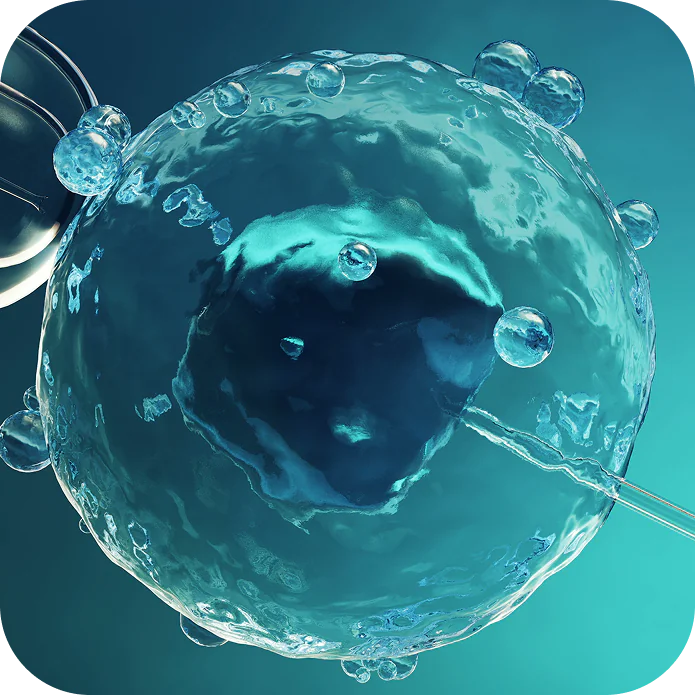
Once both eggs and sperm are ready, fertilization takes place. There are two main methods:
- Conventional IVF: The sperm and eggs are placed together in a dish, allowing natural fertilization.
- ICSI (Intracytoplasmic Sperm Injection): A single sperm is injected directly into an egg.
The fertilized eggs are carefully monitored for growth and development. Over the next few days, the embryos begin to divide and form cells.
Embryologists track their progress and select the healthiest embryos for transfer. This part of the IVF process is the most delicate and requires exceptional laboratory precision.
Step 6: Embryo Culture and Selection
Embryo culture typically lasts between three to five days. During this time, embryologists observe cell division and monitor development patterns.
At AAS Fertility & IVF Center, doctors select only embryos that show strong, healthy growth for transfer. The decision is based on shape, cell count, and overall quality.
In some cases, preimplantation genetic testing (PGT) is recommended. This test helps detect chromosomal abnormalities, improving the chances of a healthy pregnancy.
Step 7: Embryo Transfer
This is one of the most exciting stages of the IVF process. The doctor transfers one or two of the best embryos into the uterus using a thin catheter.
The procedure is quick and painless, requiring no anesthesia. Most women describe it as similar to a Pap smear.
After transfer, you may rest for a short time before going home. Doctors usually advise avoiding strenuous activities for the next few days to help the embryo implant successfully.
Any extra embryos of good quality can be frozen for future use.
Step 8: The Two-Week Wait
The two-week wait is often the most emotional part of IVF. After embryo transfer, you’ll wait around 14 days before taking a pregnancy test.
During this period, it’s essential to maintain a calm mindset, eat well, and avoid stress. Gentle activities like reading, journaling, or meditation can help you stay positive.
Doctors may prescribe medications to support implantation and prepare your body for pregnancy.
At AAS Fertility & IVF Center, the medical team provides continuous guidance during this phase to ensure you feel supported emotionally and physically.
Step 9: Pregnancy Test and Follow-Up

About two weeks after transfer, a blood test (beta hCG) is done to confirm pregnancy. A positive result means implantation has occurred successfully.
If the test is negative, don’t lose hope. Your fertility doctor will review your cycle and make adjustments for the next attempt if needed. Many couples achieve success in subsequent IVF cycles.
Follow-up visits are essential to track hormone levels and ensure early pregnancy health.
How Long Does the IVF Process Take?
The entire IVF process usually spans about 4–6 weeks, depending on your body’s response to medication and the clinic’s specific protocol.
Here’s a quick breakdown:
- Fertility assessment: 1 week
- Ovarian stimulation: 2 weeks
- Egg retrieval and fertilization: 1 week
- Embryo transfer and waiting period: 2 weeks
While the process demands patience, the results are often worth it, especially when managed by experienced fertility experts.
Common Questions About the IVF Process
Is IVF painful?
Most women experience mild discomfort rather than pain. The egg retrieval procedure is performed under anesthesia, ensuring comfort.
How successful is IVF?
Success rates vary depending on age, egg quality, and underlying health conditions. However, with advanced technology at AAS Fertility & IVF Center, success rates are among the highest in the region.
Can IVF fail?
Yes, IVF doesn’t guarantee pregnancy, but it significantly improves your chances. Factors like embryo quality and uterine health play a role.
Can I use my frozen embryos later?
Absolutely. Frozen embryos can be stored for future use, offering flexibility for family planning.
Emotional Support During the IVF Process
IVF is as much an emotional journey as a physical one. The waiting, procedures, and hopes can take a toll. That’s why emotional care is vital.
At AAS Fertility, counseling and patient care programs help you stay hopeful and mentally strong throughout the process. Whether it’s one cycle or multiple, emotional balance makes a huge difference.
Why Choose AAS Fertility & IVF Center
Choosing the right fertility clinic is key to success. AAS Fertility & IVF Center stands out for its advanced technology, transparent communication, and compassionate care.
Their fertility experts personalize each IVF plan according to your medical history and emotional needs. The center combines modern reproductive science with a supportive environment, ensuring your experience is both professional and comforting.
With state-of-the-art labs, experienced embryologists, and high success rates, AAS Fertility has become a trusted choice for couples across the region.
Final Thoughts
Understanding the IVF process helps you feel more in control of your fertility journey. Each step, from consultation to embryo transfer, reflects science, care, and hope.
If you’re ready to take your first step toward parenthood, consider scheduling a consultation with AAS Fertility & IVF Center. Their dedicated team will walk with you every step of the way because your dream of becoming a parent deserves expert support and compassionate care.

Conceiving a child isn’t always as simple as it seems. Many couples find that despite trying for months, pregnancy doesn’t happen as expected. The good news? Your daily choices can make a real difference. Small changes in what you eat, how you move, and how you manage stress can significantly boost fertility and improve reproductive health. In this blog, we’ll explore the best lifestyle and diet habits that naturally support conception, balance hormones, and help you prepare your body for a healthy pregnancy
The Connection Between Lifestyle and Fertility
Your daily diet, activity, and stress habits strongly influence your reproductive health. Fertility isn’t only about medical treatments; it’s deeply tied to how you care for your body.
Modern research shows that certain lifestyle habits can either boost fertility or harm it. Maintaining a balanced diet, managing weight, and keeping stress under control can all improve your chances of conception. This means couples can often start enhancing fertility right from home by making small, consistent changes.
Whether you’re planning to conceive naturally or preparing for assisted treatments like IVF, nurturing your body through better lifestyle habits lays a strong foundation for success.
Why Lifestyle Choices Matter for Fertility
Your reproductive system is sensitive to many external factors, such as nutrition, exercise, sleep, and even your emotional state. Every aspect contributes to hormonal balance, egg and sperm quality, and overall reproductive function.
A healthy lifestyle doesn’t replace medical treatment, but it complements it. For instance, eating antioxidant-rich foods supports healthy egg and sperm cells, while regular exercise improves blood flow to reproductive organs.
By focusing on small but impactful daily habits, you not only increase your fertility potential but also improve your overall well-being.

Key Diet Tips to Boost Fertility Naturally
Food is one of the most powerful ways to boost fertility for both men and women. Certain nutrients promote hormone balance, egg quality, and sperm health. Let’s explore the essentials.
1. Eat a Fertility-Friendly Diet
A fertility-friendly diet emphasizes whole, unprocessed foods packed with vitamins, minerals, and antioxidants. Focus on fruits, vegetables, whole grains, and lean proteins.
Antioxidants like folate, zinc, and selenium protect eggs and sperm from oxidative damage. For women, iron and folic acid support ovulation and implantation, while men benefit from zinc and vitamin C for stronger sperm.
Include foods like:
- Spinach, kale, and broccoli
- Berries and citrus fruits
- Lentils and beans
- Nuts and seeds
- Whole grains like quinoa and oats
2. Maintain a Healthy Weight
Weight plays a critical role in hormonal balance. Being underweight can disrupt ovulation, while being overweight can cause insulin resistance and affect egg maturation.
Research shows that even a 5–10% weight change can significantly boost fertility by normalizing reproductive hormones. Regular exercise and mindful eating can help you achieve this balance safely.
3. Choose the Right Fats
Not all fats are harmful. Healthy fats like omega-3s found in fish, walnuts, and flaxseeds help regulate hormones and support egg quality.
Avoid trans fats found in processed snacks and fried foods, as they can reduce fertility in both men and women. Replace them with olive oil, avocado, and nuts for long-term reproductive health.
4. Increase Protein Variety
Both plant-based and lean animal proteins support fertility. Replacing some red meat with beans, lentils, or tofu can lower inflammation and improve ovulation.
Eggs and fish are excellent options as well. Salmon, rich in omega-3s and vitamin D, is particularly beneficial for women trying to conceive.
5. Limit Sugar and Refined Carbs
Too much sugar can lead to insulin spikes, disrupting ovulation and lowering sperm quality. Refined carbs such as white bread, pastries, and sodas raise blood sugar rapidly and harm hormonal balance. Choose complex carbohydrates like oats, sweet potatoes, and brown rice to stabilize energy levels and boost fertility naturally.
Lifestyle Changes to Boost Fertility Naturally

Diet alone isn’t enough. Your lifestyle choices, from sleep patterns to stress management, directly influence your fertility.
1. Prioritize Quality Sleep
Sleep is when your body restores hormonal balance. Lack of sleep increases cortisol, which can interfere with reproductive hormones.
Aim for 7–8 hours of consistent sleep each night. Try maintaining a bedtime routine that includes no screens 30 minutes before bed.
2. Exercise Smartly
Exercise is essential, but moderation is key. Over-exercising can affect ovulation, while too little movement can reduce blood circulation to reproductive organs. Incorporate light to moderate workouts like brisk walking, swimming, yoga, or Pilates. These activities improve metabolism and boost fertility without adding stress to the body.
3. Reduce Stress Levels
High stress levels trigger hormonal changes that can interfere with ovulation and sperm production. Practicing relaxation techniques such as deep breathing, meditation, or journaling can reduce stress naturally.
Even simple routines like spending time outdoors or disconnecting from screens can improve mental well-being and enhance fertility outcomes.
4. Quit Smoking and Limit Alcohol
Both smoking and alcohol harm fertility. Smoking damages eggs and sperm DNA, while excessive alcohol disrupts hormone function. If you’re serious about conception, it’s best to quit smoking and limit alcohol to minimal levels. This single lifestyle change can dramatically boost fertility for both partners.
5. Manage Caffeine Intake
Too much caffeine can affect hormone levels and delay conception. Keep your intake below 200 mg per day, around two small cups of coffee.
Opt for green tea or herbal alternatives like peppermint or chamomile to support calmness and hydration.
Male Fertility: Lifestyle Matters Too
Fertility isn’t just a woman’s issue. Male fertility is equally influenced by diet, exercise, and stress levels. Improving lifestyle habits enhances sperm quality, count, and motility.
Foods That Support Sperm Health
- Zinc: Found in pumpkin seeds and seafood; essential for sperm formation.
- Vitamin C: Increases sperm motility and reduces DNA damage.
- Selenium: Found in eggs and Brazil nuts; improves sperm shape and function.
- Coenzyme Q10: Supports energy production in sperm cells.
Men who maintain a balanced diet, stay active, and avoid smoking are far more likely to have healthy sperm and higher chances of conception.
Common Habits That Reduce Fertility
Sometimes, small habits unknowingly harm fertility. Avoiding these can significantly boost fertility without medical intervention.
- Skipping meals: Causes blood sugar fluctuations, disrupting hormonal stability.
- Overusing plastic containers: Chemicals like BPA can interfere with reproductive hormones.
- Using harsh cleaning chemicals: Some products release toxins that affect hormonal balance.
- Ignoring hydration: Dehydration thickens cervical mucus, making it harder for sperm to travel.
Replacing harmful habits with mindful, healthier choices brings the body into balance and supports conception.
How Supplements Can Boost Fertility

Certain supplements can bridge nutritional gaps in your diet. Before taking any, consult your doctor or fertility specialist.
- Folic Acid: Essential for ovulation and early embryo development.
- Vitamin D: Regulates reproductive hormones and supports healthy menstrual cycles.
- CoQ10: Improves egg and sperm quality.
- Iron and B vitamins: Help prevent ovulation disorders and anemia.
Supplements are most effective when combined with balanced nutrition and a healthy lifestyle plan.
Emotional Health and Fertility
However, emotional well-being is often overlooked, yet it plays a huge role in reproductive success. Prolonged anxiety, sadness, or guilt can therefore trigger physical changes that reduce fertility.
Practices like gratitude journaling, counseling, and mindfulness can reset the mind-body connection. Couples who prioritize mental health report better communication, stronger relationships, and improved fertility outcomes.
When to Seek Professional Help
Even with the best habits, some couples may still struggle to conceive. If you’ve been trying for over a year (or six months if over 35), it’s time to see a fertility doctor.
A professional evaluation helps identify any underlying conditions that lifestyle changes alone can’t fix. If you’re in search of compassionate experts and advanced fertility solutions, AAS Fertility & IVF Center offers personalized treatment plans supported by cutting-edge technology. Their specialists combine medical expertise with a holistic approach, guiding couples at every stage of their fertility journey.
Final Thoughts
Boosting fertility isn’t about perfection; it’s about consistent, mindful choices that nurture your reproductive health. From nutrition to emotional balance, every habit counts.
Start with one small change today: eat better, rest well, and take care of your mental health. These daily steps can transform your fertility journey and bring you closer to the family you’ve been dreaming of.
Remember, when lifestyle changes meet medical expertise, the results can be truly life-changing.