
Parenthood & Fertility Insights
Welcome to Parenthood & Fertility Insights by AAS Fertility & IVF Center Lahore, your trusted source for expert articles, helpful tips, and the latest updates in fertility care. Our blogs are thoughtfully crafted to educate, inspire, and support you at every step of your parenthood journey. From IVF guidance and fertility wellness advice to real stories of hope, AAS Fertility & IVF Center shares knowledge that empowers you to make informed, confident decisions on your path to starting a family.

Hundreds of couples have put their trust in us for kind treatment, successful fertility outcomes, and advice on becoming parents.
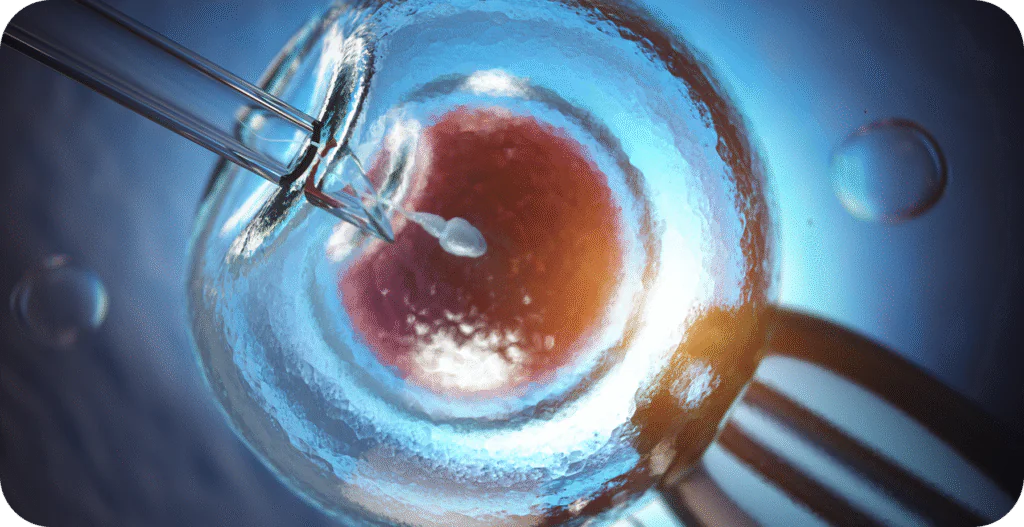
Is IVF Safe? Understanding IVF Safety and Risks
Many couples considering assisted reproduction ask an important question: Is IVF safe? In vitro fertilization has helped millions of couples worldwide achieve pregnancy and is considered one of the most studied fertility treatments today. While IVF is generally safe, understanding how it works, its risks, and who it is best suited for helps couples make confident and informed decisions. At AAS Fertility & IVF Center, the best fertility and IVF center in Pakistan, patient safety and personalized care remain the top priority.
How IVF Works and Why IVF Is Safe?
IVF is a controlled medical procedure performed under strict clinical guidelines. Eggs are retrieved, fertilized in a laboratory, and then transferred into the uterus. Continuous monitoring, advanced technology, and experienced fertility specialists help ensure the process remains safe and effective for most patients.
Is IVF Safe for Women?
For most women, IVF is considered safe when performed by trained specialists. Hormonal medications used during IVF are carefully dosed and monitored through ultrasounds and blood tests. These measures reduce complications and protect overall reproductive health.
IVF Safety for Babies
Many parents worry about the health of babies conceived through IVF. Research shows that most IVF-conceived babies are healthy and develop normally. Advances in embryo screening and lab techniques further improve outcomes and reduce genetic risks.
Possible Risks Associated with IVF
While IVF is safe for the majority, it may carry minor risks such as ovarian overstimulation, multiple pregnancies, or emotional stress. These risks are managed through careful treatment planning, personalized protocols, and expert supervision.
Is IVF Safe for Multiple Attempts?
Some couples require more than one IVF cycle. When spaced properly and medically supervised, multiple IVF cycles are generally well tolerated. Fertility specialists assess overall health before continuing treatment to minimize physical and emotional strain.
Who Should Consider IVF?
VF is recommended for couples facing blocked fallopian tubes, male infertility, ovulation disorders, unexplained infertility, or age-related fertility decline. A proper evaluation ensures IVF is both safe and suitable for each case.
How Expert Care Improves IVF Safety?
Choosing the right fertility center plays a crucial role in IVF safety. At AAS Fertility & IVF Center, treatments follow international safety standards, advanced lab protocols, and ethical practices. Personalized fertility plans help reduce risks while improving success rates.
Emotional Well-Being During IVF
IVF can be emotionally demanding. Counseling, emotional support, and clear communication help couples manage stress and stay mentally strong throughout the process. Emotional health is an important part of overall IVF safety.
Conclusion
So, is IVF safe? The answer is yes. With modern technology, expert monitoring, and personalized treatment plans, IVF is a safe and effective fertility solution. Understanding the process and choosing an experienced fertility center helps couples move forward with confidence on their journey to parenthood.

Natural Ways to Improve Chances of Conception
Many couples hope to conceive naturally but feel unsure where to begin. Learning how to improve chances of conception often starts with understanding how daily habits affect reproductive health. Nutrition, lifestyle choices, emotional well-being, and timing all play a role in fertility. At AAS Fertility & IVF Center, the premier fertility and IVF center in Pakistan, couples have received trusted guidance for over a decade, combining medical expertise with natural fertility support.
Can lifestyle changes improve fertility naturally?
Yes. Diet, stress management, sleep, and exercise directly affect fertility.
How long do natural fertility improvements take?
Most couples notice changes within three to six months of consistent habits.
Do natural methods work for everyone?
Natural methods help many couples, but some require medical support.
How Does Lifestyle Help Improve Chances of Conception?
Healthy lifestyle choices directly influence fertility in both men and women. Maintaining balanced routines supports hormone regulation, ovulation, and sperm production. Couples who prioritize overall wellness often experience improved reproductive health within a few months.
Nutrition That Improves Chances of Conception
A fertility-supportive diet helps regulate hormones and egg or sperm quality. Eating whole foods, fresh fruits, vegetables, lean proteins, and healthy fats supports reproductive cells. Iron, folate, zinc, and antioxidants are essential. Hydration also plays a key role in hormonal balance.
Managing Stress to Improve Chances of Conception
Chronic stress interferes with ovulation and sperm health. Elevated cortisol disrupts reproductive hormones. Relaxation techniques, prayer, breathing exercises, and emotional support help calm the nervous system. Managing stress naturally improves fertility potential over time.
Healthy Weight and Fertility Balance
Being underweight or overweight affects ovulation and hormone levels. Even small weight adjustments can restore regular cycles and improve sperm parameters. Maintaining a healthy body mass index supports consistent fertility signals in the body.
Natural Cycle Tracking for Conception
Understanding ovulation timing improves natural conception. Monitoring cervical mucus, cycle length, and physical signs helps identify the most fertile phase. Couples who track cycles accurately often improve their chances without medical intervention.
Male Fertility and Natural Conception
Fertility is a shared responsibility. Men benefit from nutrient-rich diets, regular sleep, reduced heat exposure, and avoiding smoking or alcohol. These steps naturally improve sperm count and motility, supporting conception.
Avoiding Environmental Toxins
Chemicals found in plastics, pesticides, and smoking negatively affect fertility. Using glass containers, limiting processed foods, and choosing natural products protects reproductive health and hormone balance.
When Natural Methods Are Not Enough
While natural steps can significantly improve chances, medical evaluation becomes important if conception does not occur. Women under 35 should seek help after one year, and those over 35 after six months. At AAS Fertility & IVF Center, natural methods are combined with advanced fertility treatments when needed.
Conclusion
Natural ways to improve chances of conception focus on nurturing the body, managing stress, and understanding fertility timing. Small, consistent changes can create powerful results. With expert guidance, compassionate care, and evidence-based support, couples can move forward confidently on their fertility journey. AAS Fertility remains committed to helping couples achieve parenthood through both natural and advanced fertility solutions.

Can Stress Affect Fertility?
Yes, stress can affect fertility. Chronic stress disrupts hormones, ovulation, and sperm quality, which may reduce the chances of conception.
Many couples ask whether emotional pressure can prevent pregnancy. The connection between stress and infertility is real and medically recognized. Long-term stress can interfere with reproductive hormones, delay ovulation, and lower sperm quality.
At AAS Fertility & IVF Center, the best fertility and IVF center in Pakistan, couples receive expert care that addresses both physical fertility factors and emotional well-being, backed by over 10 years of experience.
Can stress stop ovulation?
Yes. Chronic stress can delay or stop ovulation by disrupting reproductive hormones.
Does stress affect sperm quality?
Yes. Stress can reduce sperm count, motility, and testosterone levels.
Can IVF fail due to stress?
Stress alone does not cause IVF failure, but high stress can affect hormone response and treatment outcomes.
How can couples reduce fertility-related stress?
Through emotional support, counseling, prayer, healthy routines, and professional fertility guidance.
How Stress and Infertility Are Connected?
Stress activates the body’s fight-or-flight response. This increases cortisol levels, which directly interfere with reproductive hormones. In women, this can suppress ovulation. In men, it may lower testosterone and impair sperm production. Over time, unmanaged stress creates an environment where conception becomes more difficult.
Can Stress Delay Ovulation or Periods?
Yes. Stress can delay ovulation or cause missed periods. When the brain senses prolonged stress, it signals the body to pause reproductive functions. This explains irregular cycles during emotionally demanding periods. Understanding stress and infertility helps couples recognize why cycle changes matter.
Does Stress Affect Male Fertility?
Yes. Stress can reduce sperm count, motility, and shape. Anxiety, lack of sleep, and work pressure negatively affect testosterone levels. Since male factors contribute to nearly half of infertility cases, addressing stress is essential for both partners.
Can Stress Alone Cause Infertility?
Stress alone rarely causes infertility. However, it can worsen existing fertility problems and reduce treatment success. When combined with hormonal imbalance, age, or medical conditions, stress significantly lowers the chance of conception.
Signs Stress May Be Affecting Fertility
Common signs include irregular periods, low libido, poor sleep, constant fatigue, and prolonged difficulty conceiving. Couples noticing these signs should consider emotional health as part of their fertility evaluation.
How Reducing Stress Can Cure Infertility?
Lowering stress helps restore hormonal balance. Relaxation techniques, prayer, counseling, moderate exercise, and proper sleep improve reproductive health. When couples manage stress alongside medical care, infertility often gets cured.
When Should You See a Fertility Specialist?
If pregnancy does not occur after 12 months under age 35, or 6 months over 35, professional help is recommended. At AAS Fertility & IVF Center, specialists evaluate both medical and emotional contributors to infertility, ensuring complete and compassionate care.
Conclusion
The link between stress and infertility is real but manageable. While stress may not be the sole cause, it plays a significant role in reproductive health. With expert guidance, emotional support, and evidence-based treatment, couples can overcome stress-related fertility challenges. AAS Fertility remains committed to supporting couples with care, clarity, and confidence.
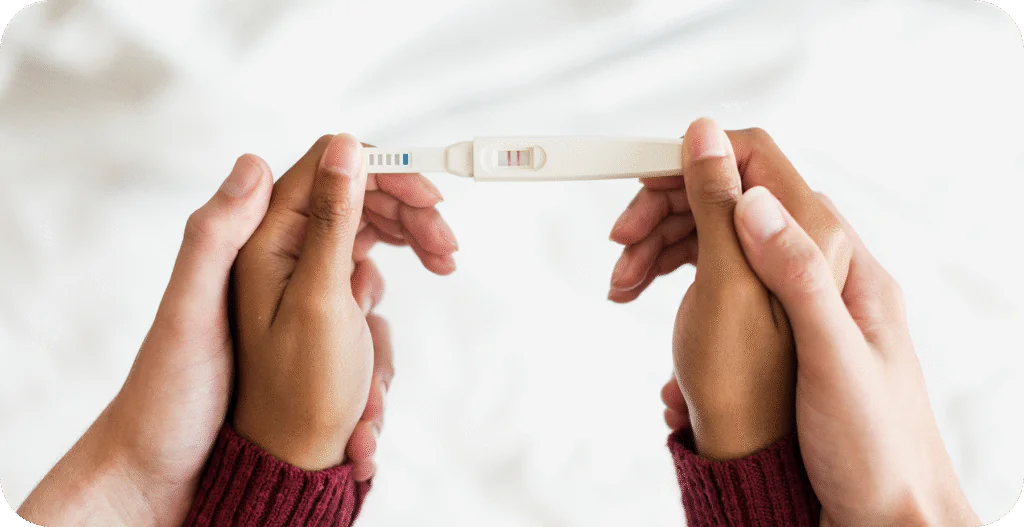
Fertility Test: How Do I Know If I’m Fertile?
Many couples wonder how to determine fertility. Taking a fertility test helps assess reproductive health and is key to planning a successful pregnancy. Factors such as menstrual cycles, ovulation, hormonal balance, and general health all play a role.
At AAS Fertility & IVF Center, we have helped couples for over 10 years by combining medical expertise, advanced fertility tests, and compassionate guidance to clarify fertility status and maximize chances of conception.
Signs You Might Consider a Fertility Test
Recognizing potential fertility issues early is important. Women may notice irregular menstrual cycles, painful periods, or unusually heavy or light bleeding. Men may experience low sperm count, poor motility, or erectile difficulties. Couples trying for several months without success should consult a specialist. A fertility test can detect hidden challenges and guide timely intervention.
What does a Fertility Test involve?
A comprehensive test examines both partners. For women, tests may include hormonal assessments, ovulation tracking, ovarian reserve testing, and imaging of reproductive organs. For men, semen analysis evaluates sperm count, motility, and morphology. At AAS Fertility, we combine modern lab technology with expert analysis to provide accurate results and actionable insights.
Why Early Testing Matters?
Early testing gives couples a clearer picture of reproductive health and increases chances of conception. A fertility test can uncover issues like hormonal imbalance, low ovarian reserve, or male factor infertility, allowing timely treatment.
The sooner challenges are identified, the more effectively they can be addressed with lifestyle changes, medication, or assisted reproductive techniques like IUI or IVF.
Understanding Your Fertility Test Results
After testing, specialists explain findings in understandable terms. Results may show areas needing attention or confirm normal fertility. At AAS Fertility, we ensure every couple understands the results, possible treatments, and next steps. Emotional support is provided throughout the process to reduce stress and improve outcomes.
Lifestyle Tips While Waiting for Results
Even before treatment begins, maintaining a healthy lifestyle improves fertility. Couples are advised to follow a balanced diet, engage in moderate exercise, reduce stress, and avoid smoking or excessive alcohol. These steps complement the insights gained from a fertility test and improve overall reproductive health.
Conclusion
A fertility test is a crucial first step for couples planning pregnancy or facing delays. Understanding reproductive health empowers couples to make informed decisions, seek timely treatment, and increase their chances of conception.
At AAS Fertility & IVF Center, we provide advanced testing, expert guidance, and compassionate care to support every step of your fertility journey.

Can You Get Pregnant With Irregular Periods?
Many women with irregular periods wonder if conception is possible. While unpredictable cycles can make timing more challenging, pregnancy is still achievable. Understanding your menstrual patterns, monitoring ovulation, and seeking professional guidance significantly increase your chances.
At AAS Fertility & IVF Center, we have supported couples for over 10 years with personalized care, advanced fertility treatments, and compassionate guidance to help them achieve parenthood.
How Irregular Periods Affect Fertility?
Irregular periods can indicate hormonal imbalances or underlying reproductive conditions. Common causes include Polycystic Ovary Syndrome (PCOS), thyroid disorders, stress, or significant weight changes. These factors may affect ovulation, making it less predictable.
Women with unpredictable cycles may have fewer fertile days, but with proper monitoring and medical guidance, conception remains very possible. Understanding your cycle is the first step toward planning a successful pregnancy.
Tracking Ovulation With Irregular Cycles
Even with irregular periods, identifying fertile days is possible. Women can track basal body temperature, monitor cervical mucus changes, or use ovulation predictor kits to detect ovulation. These strategies help pinpoint the best days for conception.
At AAS Fertility, our specialists guide couples in interpreting these signs accurately, maximizing the chances of natural conception or supporting assisted fertility treatments if needed.
Medical Treatments for Irregular Periods and Fertility
Women struggling to conceive due to irregular cycle may benefit from medical treatments. Ovulation induction with medications like Clomiphene Citrate or Letrozole helps stimulate egg release.
If additional support is needed, procedures such as Intrauterine Insemination (IUI) or In Vitro Fertilization (IVF) can be recommended. At AAS Fertility, every treatment plan is individualized based on the patient’s unique needs, increasing the likelihood of success.
Lifestyle Tips to Improve Regularity and Fertility
Alongside medical treatment, lifestyle changes can enhance fertility for women with irregular periods. Maintaining a balanced diet, engaging in moderate exercise, managing stress, and avoiding smoking or alcohol can improve hormonal balance.
Adequate sleep, mindfulness, and relaxation practices like yoga or meditation also support reproductive health. AAS Fertility integrates these holistic strategies into every fertility plan to optimize natural conception chances.
When to Consult a Specialist?
Couples struggling to conceive with irregular periods should consult a fertility expert if conception hasn’t occurred after six months (over 35) or one year (under 35). Early intervention allows specialists to identify underlying issues and recommend tailored treatments.
At AAS Fertility & IVF Center, our team combines advanced diagnostics, personalized care, and emotional support to guide couples toward achieving their dream of parenthood.
Conclusion
Having irregular periods does not make pregnancy impossible. With accurate ovulation tracking, proper medical care, and lifestyle adjustments, many couples successfully conceive.
At AAS Fertility & IVF Center, we have over 10 years of experience supporting couples with personalized treatment, advanced fertility technologies, and compassionate guidance. Every journey is unique, and the right combination of expertise and care can help turn hope into reality.

Fertile Window: How to Identify Your Most Fertile Days
Understanding your fertile window is crucial when trying to conceive. The fertile window is the period in a woman’s menstrual cycle when pregnancy is most likely. Knowing these days helps couples optimize timing, improve chances of conception, and reduce unnecessary stress. At AAS Fertility & IVF Center, the best fertility and IVF center in Pakistan, we have helped couples for over 10 years with expert guidance, personalized monitoring, and compassionate care to support their journey toward parenthood.
What is the Fertile Window?
The fertile window refers to the days in your menstrual cycle when an egg is available for fertilization. Typically, ovulation occurs once each cycle, releasing a mature egg from the ovary. Since an egg survives only 12–24 hours, this fertile period is short. However, sperm can live inside the female reproductive tract for up to five days. This combination means the ovulation window usually spans six days: five days before ovulation and the day of ovulation itself. Understanding this optimal fertility phase is key to natural conception.
Signs of Ovulation During the Fertile Window
Identifying your peak fertility period begins with recognizing ovulation signs. Changes in cervical mucus, basal body temperature, and mild ovulation cramps can indicate this optimal time. Cervical mucus becomes clear, stretchy, and egg-white in texture. Basal body temperature slightly rises after ovulation. At AAS Fertility, our specialists guide couples to monitor these signs accurately and interpret them to pinpoint the best days for conception.
Methods to Track Ovulation
Several methods can help track your fertile window:
- Calendar Method – Counting days based on previous cycles can estimate ovulation.
- Ovulation Predictor Kits (OPKs) – Detect hormonal surges that indicate impending ovulation.
- Basal Body Temperature Charting – Daily morning temperature tracking to confirm ovulation.
- Cervical Mucus Observation – Monitoring changes in mucus consistency as ovulation approaches.
Combining these methods increases accuracy and provides couples with actionable insights. At AAS Fertility, we help couples learn and apply these techniques confidently.
Why Fertile Window Awareness Matters?
Knowing your fertile window increases the likelihood of conception by helping couples plan intercourse on the most fertile days. It reduces frustration from repeated failed attempts and avoids unnecessary stress.
For couples facing fertility challenges, timing intercourse during the fertile window can significantly enhance success before moving on to treatments like IUI or IVF. Our specialists at AAS Fertility integrate natural tracking with medical support to maximize conception chances.
When to Seek Expert Assistance?
Even with accurate tracking, some couples may struggle to conceive. Factors such as irregular cycles, hormonal imbalances, low sperm count, or underlying reproductive conditions can affect timing and fertility. Consulting a fertility expert ensures personalized guidance, advanced monitoring, and tailored treatment plans.
At AAS Fertility & IVF Center, we provide comprehensive evaluation, support, and modern fertility solutions to help couples achieve their dream of parenthood.
Conclusion
Understanding the fertile window is a critical step for couples trying to conceive naturally. Recognizing ovulation signs, tracking cycles accurately, and seeking expert guidance can improve conception chances and reduce anxiety.
AAS Fertility & IVF Center, with over 10 years of experience, supports couples with both natural tracking techniques and advanced reproductive treatments to achieve successful pregnancies.