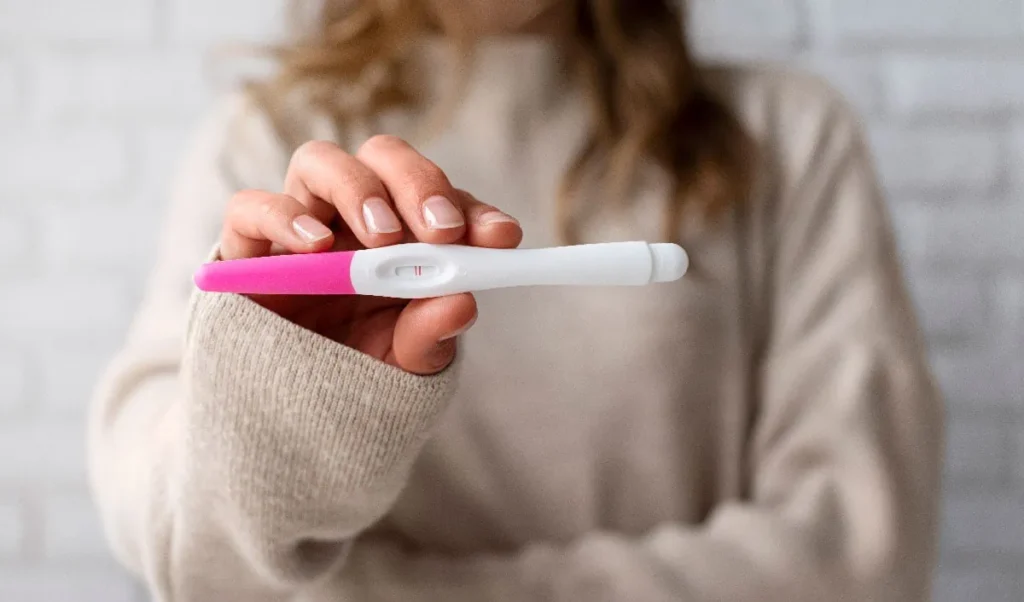
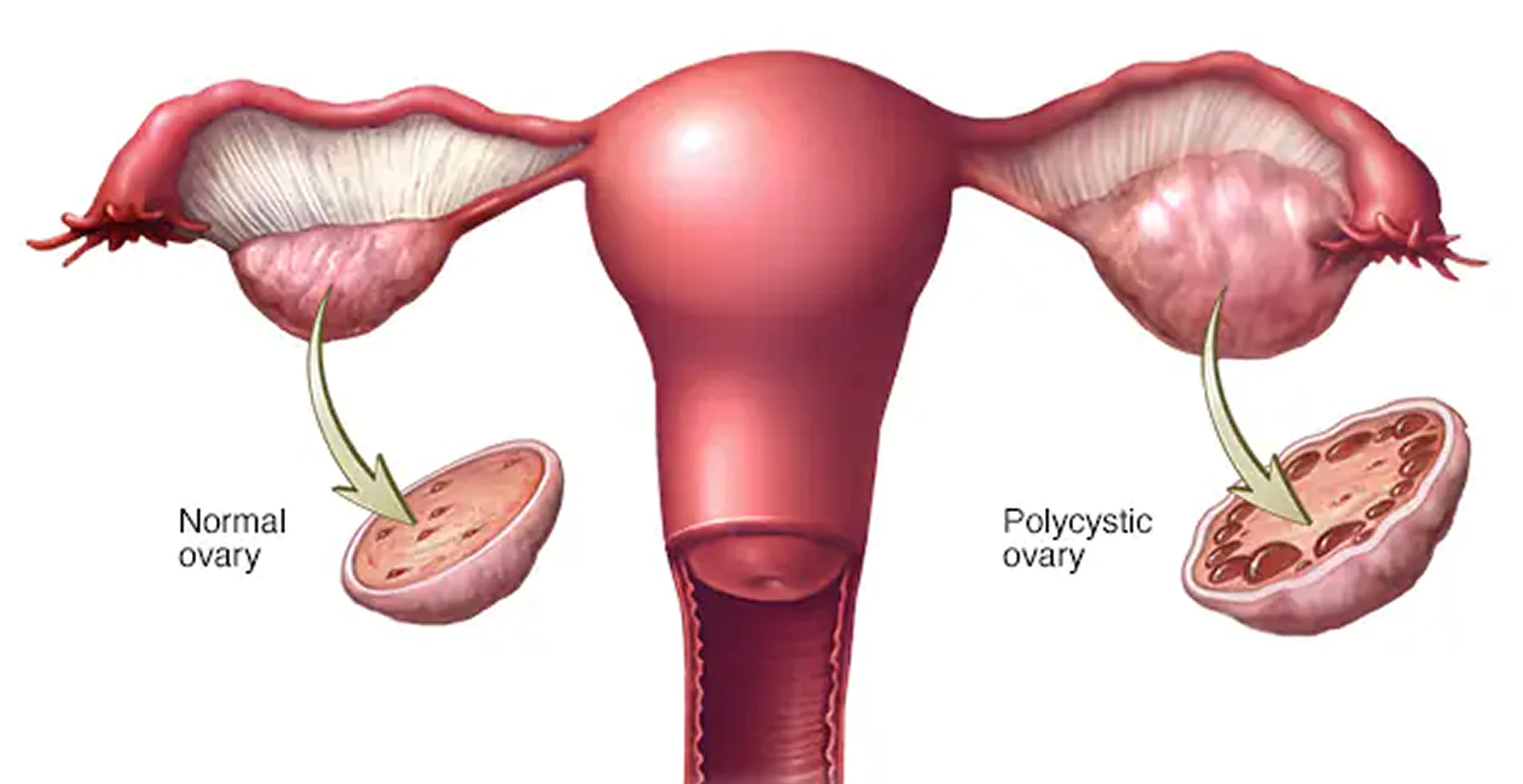
Polycystic Ovary Syndrome, commonly known as PCOS, is one of the most common hormonal disorders affecting women during their reproductive years. Many women diagnosed with PCOS often worry about whether they will be able to conceive naturally or if fertility treatment will become necessary.
Fortunately, pregnancy is possible for many women with PCOS. Although hormonal imbalance may affect ovulation and menstrual cycles, the right combination of medical care, lifestyle improvements, and fertility treatment can significantly improve the chances of conception.
At AAS Fertility & IVF Center, fertility specialists provide personalized treatment plans designed to support hormone balance, regulate ovulation, and help patients move forward confidently on their fertility journey.
Understanding How PCOS Affects Fertility
PCOS mainly affects the balance of reproductive hormones in the body. As a result, the ovaries may struggle to mature and release eggs regularly during the menstrual cycle.
In a healthy cycle, the ovaries release one mature egg every month. However, women with PCOS may experience delayed ovulation, irregular ovulation, or no ovulation at all in certain cycles. Because of this, predicting fertile days becomes more difficult, which can reduce the chances of pregnancy over time.
In many cases, women with PCOS may experience symptoms such as:
- Irregular menstrual cycles
- Missed or delayed periods
- Weight gain
- Acne or oily skin
- Excess facial or body hair
- Difficulty losing weight
- Insulin resistance
- Ovarian cysts
Additionally, hormonal imbalance and insulin resistance are closely connected in PCOS. When insulin levels increase, androgen hormones may also rise, which can further disrupt egg development and ovulation.
Can Women With PCOS Ovulate Naturally?
Yes, many women with PCOS still ovulate naturally, even when their cycles are irregular or unpredictable. Although ovulation may not occur every month, natural pregnancy is still possible for many women.
In fact, simple lifestyle improvements can help regulate hormone levels and support ovulation naturally. For example, maintaining a healthy body weight, eating nutritious foods, staying physically active, and improving sleep quality may all contribute to better reproductive health.
Furthermore, reducing stress levels can positively affect hormones involved in ovulation and fertility. Since stress may influence hormone balance, emotional well-being becomes an important part of fertility care.
In some situations, fertility specialists may recommend ovulation-inducing medications to help the ovaries release eggs more consistently. As a result, women may experience more predictable ovulation cycles and improved conception chances.
Natural Pregnancy Possibilities With PCOS
Many women with mild PCOS symptoms can become pregnant naturally. However, improving fertility often requires consistent lifestyle changes and long-term hormone management.
Healthy daily habits that may support natural conception include:
- Following a balanced fertility-friendly diet
- Maintaining a healthy body weight
- Exercising regularly
- Managing insulin resistance
- Reducing stress levels
- Improving sleep routines
- Avoiding smoking and excessive alcohol use
Even small lifestyle improvements can sometimes help restore ovulation and improve menstrual regularity. Therefore, doctors often recommend lifestyle support as one of the first steps in PCOS fertility management.
Best Diet for PCOS Fertility Support
Nutrition plays a major role in managing PCOS symptoms and improving reproductive health. A balanced diet may help regulate insulin levels, reduce inflammation, and support hormone balance.
Women with PCOS are often encouraged to include:
- Whole grains
- Fresh vegetables
- Fruits
- Lean proteins
- Healthy fats
- High-fiber foods
At the same time, reducing processed foods, sugary drinks, and excessive refined carbohydrates may help improve insulin sensitivity and hormone regulation.
Additionally, staying hydrated and eating regular meals can support stable energy levels and overall reproductive wellness.
Importance of Exercise and Weight Management
Regular physical activity is another important factor in improving fertility with PCOS. Exercise helps support metabolism, circulation, insulin function, and hormonal balance.
For example, activities such as:
- Walking
- Yoga
- Swimming
- Stretching
- Light cardio exercises
may help improve overall reproductive health.
Moreover, maintaining a healthy body weight can significantly improve ovulation patterns. Even moderate weight loss may help restore menstrual regularity and increase pregnancy chances in some women with PCOS.
Fertility Treatments for PCOS
When natural methods are not enough, fertility treatment may help improve conception chances. Treatment recommendations usually depend on age, hormone levels, ovulation patterns, and overall reproductive health.
At AAS Fertility & IVF Center, specialists create personalized fertility plans based on each patient’s individual condition and fertility goals.
Ovulation Induction Medications
Doctors often begin treatment with medications that help stimulate ovulation. These medicines encourage the ovaries to release mature eggs more regularly and improve the timing of ovulation.
Additionally, careful monitoring helps reduce the risk of ovarian overstimulation while improving treatment safety and effectiveness.
Intrauterine Insemination (IUI)
Intrauterine Insemination may be recommended when ovulation improves but pregnancy still does not occur naturally.
During this procedure, specially prepared sperm is placed directly into the uterus around the time of ovulation. As a result, the chances of fertilization may increase.
In Vitro Fertilization (IVF)
In Vitro Fertilization is often recommended for women with more complex fertility challenges or unsuccessful previous treatments.
During IVF treatment:
- Eggs are collected from the ovaries
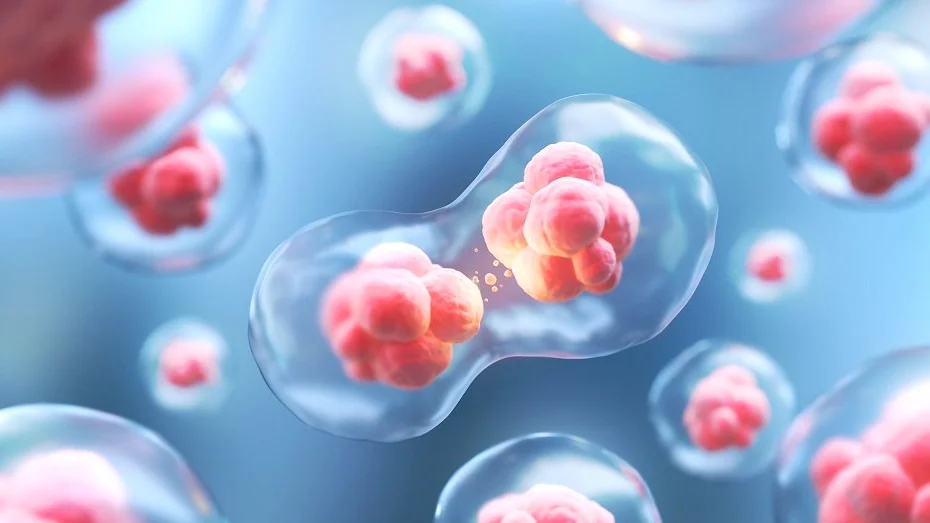
- Fertilization takes place in a laboratory
- Healthy embryos are transferred into the uterus
For many women with PCOS, IVF can provide higher pregnancy success rates when treatment is carefully monitored by experienced fertility specialists.
Why Hormonal Balance Matters in PCOS
Hormonal balance plays a major role in improving fertility among women with PCOS. These hormones help regulate several important reproductive functions, including:
- Ovulation
- Egg development
- Menstrual cycles
- Insulin function
- Pregnancy preparation
As hormone levels become more stable, ovulation often becomes more regular. As a result, the chances of conception may improve significantly over time.
In most cases, long-term hormonal health improves through a combination of:
- Balanced nutrition
- Regular exercise
- Medical treatment
- Better sleep habits
- Stress management
- Ongoing fertility monitoring
Emotional Impact of PCOS and Fertility Challenges
Living with PCOS can sometimes feel emotionally overwhelming, especially when pregnancy does not happen as quickly as expected. Many women experience stress, anxiety, frustration, or self-doubt during fertility treatment.
Emotional well-being is closely connected to reproductive health and treatment success. Furthermore, ongoing stress may affect motivation, relationships, and hormonal balance during fertility treatment.
For this reason, supportive fertility care can make a meaningful difference throughout the pregnancy journey.
At AAS Fertility & IVF Center, patients receive compassionate guidance, emotional reassurance, and clear communication throughout every stage of treatment.
When Should You Visit a Fertility Specialist?
Women with PCOS may benefit from consulting a fertility specialist if:
- Menstrual cycles remain highly irregular
- Pregnancy has not occurred after trying for several months
- Ovulation problems are suspected
- PCOS symptoms are worsening
- Previous fertility treatments were unsuccessful
Early fertility evaluation can help identify hormonal issues sooner and improve treatment outcomes.
Frequently Asked Questions (FAQs)
Can women with PCOS get pregnant naturally?
Yes, many women with PCOS can become pregnant naturally, especially when symptoms are mild and lifestyle habits improve hormone balance.
Does PCOS always cause infertility?
No, PCOS does not always cause infertility. Although it may affect ovulation, many women successfully conceive naturally or through fertility treatment.
Which fertility treatment is best for PCOS?
The best treatment depends on age, hormone levels, ovulation patterns, and overall reproductive health. Treatments may include lifestyle changes, ovulation medications, IUI, or IVF.
Can losing weight improve fertility in PCOS?
Yes, maintaining a healthy body weight may improve insulin sensitivity, hormone balance, ovulation, and overall pregnancy chances.
Is IVF successful for women with PCOS?
Yes, IVF can be highly successful for women with PCOS, particularly when treatment is carefully monitored by experienced fertility specialists.
Conclusion
Polycystic Ovary Syndrome can affect ovulation and make pregnancy more challenging. However, many women with PCOS successfully conceive with the right combination of lifestyle improvements, hormone management, and fertility treatment.
Fortunately, modern fertility care offers multiple treatment options that can improve ovulation, regulate hormones, and increase the chances of a healthy pregnancy.
At AAS Fertility & IVF Center, patients receive personalized fertility care, advanced reproductive treatments, and compassionate support throughout every stage of their journey toward parenthood.