Many Pakistani men who are trying to start a family continue to smoke without realizing how strongly it can affect fertility. They may focus on their partner’s health while overlooking their own reproductive health. In reality, smoking is one of the most common yet often ignored causes of male infertility Pakistan. Cigarettes, nicotine products, and even hookah can reduce sperm quality and lower the chances of natural conception. At AAS Fertility & IVF Center on Jail Road, Lahore, Dr. Naila Jabeen, IVF Specialist, regularly helps couples understand how smoking affects fertility and what steps can improve their chances of success.
How Does Smoking Damage Sperm?
Understanding how smoking affects male fertility starts with understanding how sperm are produced. Healthy sperm need the right environment, balanced hormones, and proper development. Smoking interferes with all three.
Think of sperm as athletes preparing for an important race. For successful fertilization, they need strength, speed, and healthy structure. Smoking weakens them before the race even begins.
Smoking Reduces Sperm Count
One of the first effects of smoking is a reduction in sperm count. This means fewer sperm are available to reach and fertilize the egg. Research consistently shows that smokers are more likely to have lower sperm concentrations compared to non-smokers.
Smoking Reduces Sperm Motility
Sperm motility refers to how well sperm can swim. Healthy sperm must travel through the female reproductive tract to reach the egg. Nicotine and other toxic chemicals found in tobacco can slow sperm movement, making fertilization more difficult.
Smoking Affects Sperm Morphology
Sperm morphology means the shape and structure of sperm. Abnormally shaped sperm often struggle to fertilize an egg naturally. Smoking increases the number of sperm with structural abnormalities, reducing fertility potential.
Smoking Damages Sperm DNA
Perhaps the most serious effect is sperm DNA fragmentation, which means damage to the genetic material inside sperm. Tobacco smoke creates oxidative stress fertility problems, where harmful molecules damage healthy cells. This DNA damage may affect embryo development, pregnancy outcomes, and fertility treatment success.
In addition, smoking can disrupt nicotine and testosterone balance, affecting hormone production that supports sperm development.
How Long Does Nicotine Stay in Your System and Affect Sperm?
Many men ask, “How long does nicotine affect sperm?”
The good news is that sperm production constantly renews itself. However, it is not an overnight process.
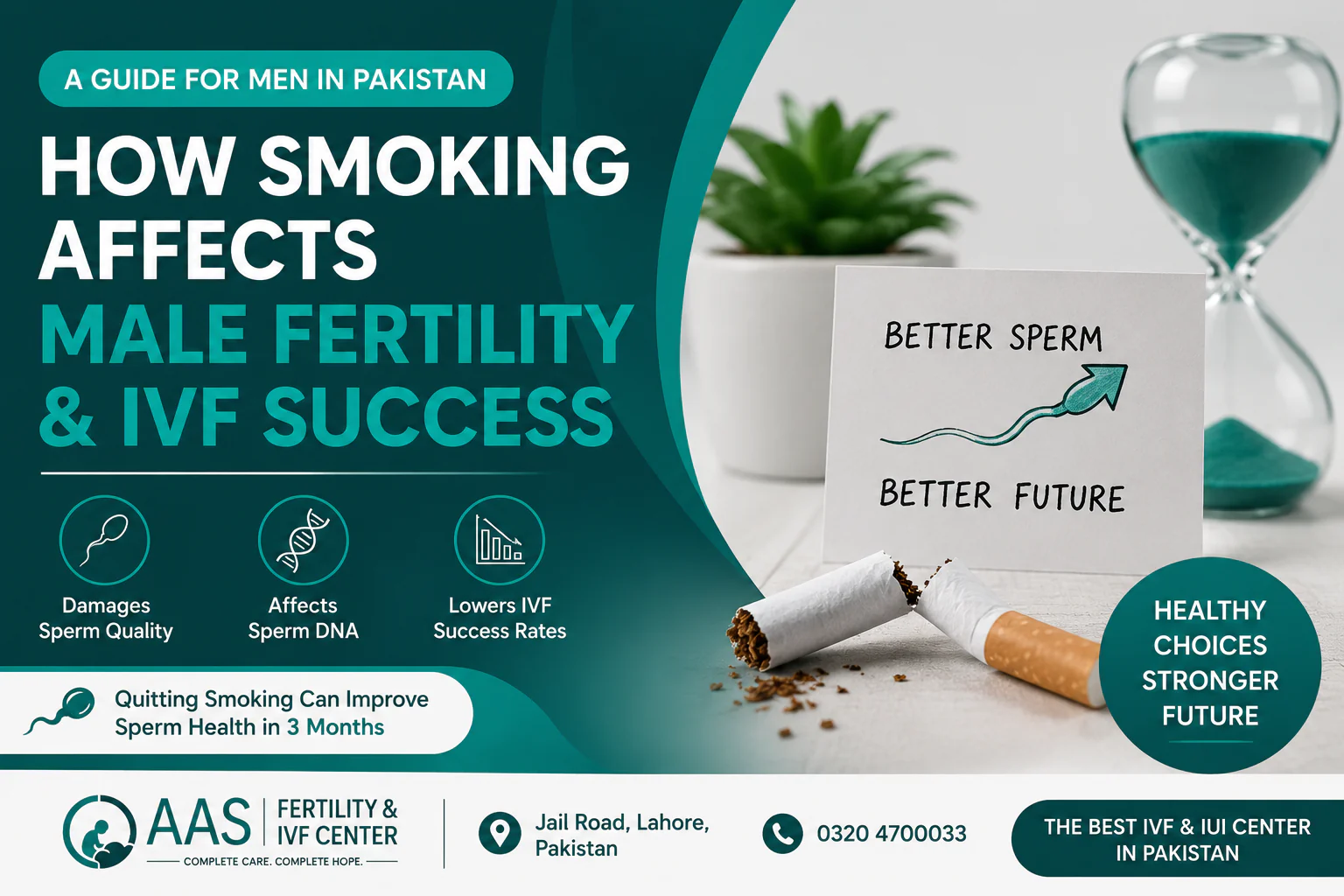
A complete sperm development cycle typically takes 72 to 90 days. This means the sperm produced today actually began developing nearly three months ago.
When a man quits smoking, nicotine levels start dropping within days. The body begins repairing itself quickly, and improvements in circulation and hormone function may appear within a few weeks.
However, meaningful improvements in sperm quality generally become noticeable after one complete sperm production cycle. Most fertility specialists recommend allowing at least three months after quitting smoking before evaluating improvements in fertility.
For some men, further recovery continues for up to six months, especially if they have smoked heavily for many years.
This is why fertility specialists strongly encourage men to stop smoking well before starting fertility treatment or attempting conception.
Does Hookah (Shisha) Also Affect Male Fertility?
Many people assume that hookah, also called shisha, is safer than cigarettes. Unfortunately, this is another common misconception.
When discussing hookah and sperm count, the evidence shows that hookah can be just as harmful—and sometimes even more harmful—than cigarettes.
A typical hookah session often lasts much longer than smoking a single cigarette. During this time, users may inhale large amounts of nicotine, carbon monoxide, heavy metals, and other toxic substances.
These chemicals can negatively affect:
- Sperm count
- Sperm motility
- Sperm morphology
- Hormone production
- Overall male reproductive health
In Pakistan, hookah use is particularly common among younger men who may not realize its impact on fertility. Because the smoke passes through water, some people incorrectly believe harmful substances are filtered out. In reality, many toxins still reach the lungs and bloodstream.
For men concerned about fertility, avoiding both cigarettes and hookah is one of the most effective lifestyle changes they can make.
How Smoking Reduces IVF & ICSI Success Rates
Smoking does not only affect natural conception. It can also reduce the success of advanced fertility treatments such as IVF treatment Lahore and ICSI for male infertility Pakistan.
Research has shown that smokers may experience 20% to 30% lower IVF success rates compared to non-smokers. This reduction occurs because smoking affects sperm quality at multiple levels.
Poor sperm quality can reduce fertilization rates during IVF and ICSI procedures. In addition, damaged sperm DNA may affect embryo development after fertilization.
Healthy embryos are more likely to implant successfully and result in pregnancy. When sperm quality is compromised, embryo quality may also be affected, reducing the chances of successful implantation.
Smoking may also contribute to hormonal changes that affect overall reproductive health, making fertility treatment less effective.
Couples considering ivf or icsi should understand that lifestyle choices can influence treatment outcomes just as much as medical procedures.
For this reason, fertility specialists often encourage smoking cessation as part of pre-treatment preparation. Improving sperm health before treatment can significantly improve the likelihood of achieving a successful pregnancy.
Can Quitting Smoking Improve Fertility Before IVF?
The answer is yes. One of the most encouraging facts about how smoking affects male fertility is that many of its effects can improve after quitting. The body begins repairing itself soon after nicotine exposure stops, and sperm quality often improves significantly within a few months.
Because sperm take approximately 72 to 90 days to develop, fertility specialists usually recommend quitting smoking at least three months before IVF. This allows a new generation of healthier sperm to develop before treatment begins.
Men who stop smoking may experience improvements in:
- Sperm count
- Sperm motility (swimming ability)
- Sperm morphology (shape and structure)
- Sperm DNA quality
- Hormone balance
In addition to quitting smoking before IVF, several healthy habits can support fertility recovery:
Eat Antioxidant-Rich Foods
Foods rich in antioxidants help protect sperm from oxidative damage. Fresh fruits, vegetables, nuts, seeds, and whole grains can support better reproductive health.
Exercise Regularly
Moderate physical activity improves circulation, hormone balance, and overall well-being. Simple activities such as walking, cycling, or light gym workouts can be beneficial.
Maintain a Healthy Weight
Excess body weight may affect testosterone levels and sperm production. Achieving a healthy weight often improves fertility outcomes.
Get Adequate Sleep
Quality sleep helps regulate hormones involved in sperm production and overall reproductive health.
The sooner a man quits smoking, the sooner his body can begin producing healthier sperm and improving fertility potential.
Other Lifestyle Habits That Harm Male Fertility in Pakistan
Smoking is not the only lifestyle factor that can affect fertility. Several everyday habits may also contribute to male infertility causes Pakistan.
Excessive Chai Consumption
Drinking tea in moderation is generally safe. However, excessive caffeine intake may affect sleep quality and hormone balance, which can indirectly influence fertility.
Poor Sleep Habits
Regular sleep deprivation can lower testosterone production and reduce sperm quality over time.
Obesity
Being overweight may disrupt hormone levels and increase inflammation throughout the body. This can negatively affect sperm production and reproductive health.
Keeping Mobile Phones in the Front Pocket
Some studies suggest prolonged exposure to heat and electromagnetic radiation near the reproductive organs may affect sperm quality. More research is needed, but limiting direct exposure may be beneficial.
Tight Clothing
Constant heat around the testicles can interfere with normal sperm production. Loose-fitting clothing may help maintain healthier temperatures for sperm development.
Small lifestyle improvements can work together to create meaningful improvements in fertility.
Why Choose AAS Fertility & IVF Center — The Best IVF & IUI Center in Pakistan
When fertility challenges arise, choosing the right clinic is one of the most important decisions a couple can make. At AAS Fertility & IVF Center, patients receive expert care, advanced reproductive technology, and personalized treatment plans designed to improve outcomes.
Led by Dr. Naila Jabeen, a highly experienced IVF specialist, the clinic provides evidence-based fertility care while maintaining compassion, transparency, and patient-centered support.
Conveniently located on Jail Road, Lahore, AAS Fertility has become a trusted destination for couples seeking advanced fertility treatment across Pakistan.
The center offers a comprehensive range of services, including:
- IVF
- IUI
- ICSI
- Micro TESE
- Embryo Banking
- Ovulation Induction
- Laparoscopy
- PGT-A Testing
- Male Fertility Assessment
- Female Fertility Assessment
For men experiencing smoking-related fertility problems, specialized evaluations can help identify sperm quality issues and determine the most effective treatment pathway.
As the best IVF & IUI center in Pakistan, AAS Fertility combines modern laboratories, experienced specialists, and individualized care to support patients throughout their fertility journey.
Book your free consultation with Dr. Naila Jabeen today
Frequently Asked Questions About Smoking and Male Fertility
Q: Does smoking cause male infertility?
A: Smoking can significantly reduce sperm count, motility, morphology, and DNA quality. While not every smoker becomes infertile, smoking is a major risk factor for male fertility problems.
Q: How long does nicotine affect sperm quality?
A: Because sperm take approximately 72 to 90 days to develop, nicotine may affect sperm quality for several months. Improvements are often seen within three months of quitting.
Q: Does hookah affect sperm count?
A: Yes. Hookah contains many of the same harmful chemicals found in cigarettes and can reduce sperm count, motility, and overall fertility.
Q: Can I still do IVF if I smoke?
A: Yes, but smoking may reduce IVF success rates and affect embryo quality. Quitting before treatment can improve the chances of success.
Q: How long should I quit smoking before IVF?
A: Most fertility specialists recommend stopping smoking at least three months before IVF to allow healthier sperm to develop.
Q: Can quitting smoking improve sperm count?
A: Yes. Many men experience improvements in sperm count, motility, and overall sperm quality after quitting smoking and adopting healthier lifestyle habits.
Conclusion
Smoking remains one of the most overlooked causes of male fertility problems in Pakistan. It can reduce sperm count, impair sperm movement, damage sperm DNA, and lower the chances of success during IVF and ICSI treatment. Fortunately, these effects are often reversible, and many men see significant improvements after quitting smoking.
In Summary: Smoking harms sperm quality by affecting sperm count, motility, morphology, and DNA integrity. It can also reduce IVF success rates by 20% to 30%. Quitting smoking at least three months before fertility treatment gives the body time to produce healthier sperm and improve the chances of conception.
Contact AAS Fertility & IVF Center — the best IVF & IUI center in Pakistan — today