Choosing to have a baby is one of the most meaningful decisions a couple can make. For many families in Pakistan, the dream is not only to have a healthy child but also to complete their family with a son or daughter after already having children of one gender. Today, family balancing with PGT-A Pakistan offers a safe and scientifically advanced way to achieve this goal while putting the baby’s health first.
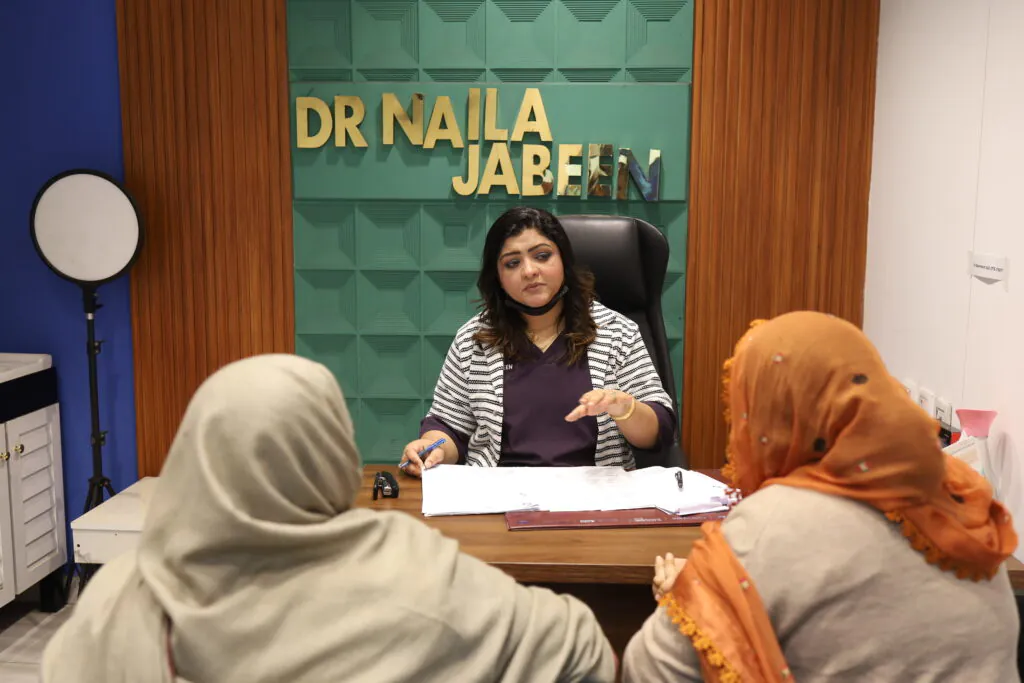
At AAS Fertility & IVF Center, located on Jail Road, Lahore, Dr. Naila Jabeen, IVF Specialist, guides couples through this journey with compassion, ethical care, and modern reproductive technology. If you have questions about PGT-A gender selection Pakistan, this guide explains everything in simple language so you can make informed decisions with confidence.
▶ Watch Dr. Naila Jabeen Explain Family Balancing with PGT-A
In this video, Dr. Naila Jabeen explains family balancing with PGT-A in her own words. Before reading further, take a few minutes to watch how this advanced technology helps couples choose healthy embryos while supporting family balancing in a safe and ethical manner.
What is PGT-A? Simple Explanation for Pakistani Couples
PGT-A (Preimplantation Genetic Testing for Aneuploidy) is an advanced genetic test performed during IVF before an embryo is placed inside the uterus.
The name may sound technical, but the idea is simple. Doctors check whether each embryo has the correct number of chromosomes before selecting it for pregnancy.
Chromosomes carry your baby’s genetic information. A healthy embryo normally has 46 chromosomes. Sometimes an embryo may have too many or too few chromosomes, a condition known as aneuploidy. Such embryos often fail to implant or may lead to miscarriage.
PGT-A identifies which embryos are chromosomally normal (called euploid embryos) and which are not. Only healthy embryos are recommended for transfer.
Many people still know this technology by its previous name, PGS (Preimplantation Genetic Screening). Today, the internationally accepted term is PGT-A.
By selecting the healthiest embryo first, PGT-A improves the chances of a successful pregnancy while reducing the likelihood of miscarriage and unsuccessful IVF cycles.
What is Family Balancing and How Does PGT-A Help?
Family balancing means choosing your baby’s gender during IVF to help complete your family after having children of the same gender.
Many Pakistani couples visit fertility clinics after having two or three sons and wishing for a daughter, or vice versa. Their goal is not simply gender preference—it is achieving a balanced family.
PGT-A makes this possible through modern science.
During IVF, several embryos may develop in the laboratory. Before any embryo is transferred, PGT-A checks its chromosomes. Along with confirming that an embryo is genetically healthy, the test also identifies its sex chromosomes.
- XX chromosomes indicate a female embryo.
- XY chromosomes indicate a male embryo.
After identifying healthy embryos, the couple and fertility specialist can discuss transferring the embryo that best meets both medical and family-balancing goals.
At AAS Fertility & IVF Center, the first priority is always the embryo’s health. Gender selection is considered only after confirming that an embryo is chromosomally normal.
This approach supports healthy pregnancies while helping couples complete their families responsibly and ethically.
Is Gender Selection Allowed in Islam and Pakistan?
This is one of the most sensitive questions Pakistani couples ask, and it deserves an honest and respectful answer.
Islamic scholars have expressed different opinions regarding gender selection. While viewpoints vary, many scholars agree that modern fertility treatments can be acceptable when they are carried out within clear ethical boundaries.
The Federal Shariat Court of Pakistan (2017) confirmed that IVF is permissible when the sperm and egg belong to a legally married husband and wife and the embryo is transferred into the wife’s uterus.
When it comes to family balancing, many scholars permit the procedure if it is performed responsibly and respectfully. An important ethical consideration is the treatment of embryos that are not selected.
At AAS Fertility & IVF Center, embryos of the non-selected gender are not destroyed.
Instead, they are safely preserved through [Link to /embryo-banking/] embryo banking, allowing couples to use them in future pregnancies if they wish.
This approach respects the value of every embryo while providing families with future reproductive choices.
Dr. Naila Jabeen carefully discusses these ethical and religious considerations during consultation so couples can make informed decisions that align with both their personal beliefs and medical needs.
Every family’s situation is unique, and respectful guidance remains an important part of treatment.
The PGT-A Process Step by Step at AAS Fertility Lahore
Step 1 — IVF Stimulation and Egg Collection
The journey begins with IVF treatment. Fertility medications gently stimulate the ovaries to produce several mature eggs instead of the single egg produced during a natural cycle.
Doctors monitor this process using blood tests and ultrasound scans. Once the eggs are ready, they are collected during a short procedure performed under light sedation for patient comfort.
Step 2 — Fertilisation in the Laboratory (IVF/ICSI)
The collected eggs are fertilised using the husband’s sperm inside the IVF laboratory.
If sperm quality is reduced, ICSI may be recommended. In this technique, an embryologist injects a single healthy sperm directly into each mature egg to improve fertilisation.
The fertilised eggs are then placed in carefully controlled laboratory incubators that closely mimic natural conditions.
Step 3 — Embryo Development (Day 5 Blastocyst)
Over the next five days, the embryos continue developing inside the laboratory.
Only embryos that grow well reach the blastocyst stage, which is considered the ideal stage for genetic testing.
By Day 5, the embryo has enough cells for a tiny sample to be safely removed without affecting its future development.
Step 4 — Embryo Biopsy for Genetic Testing
A highly experienced embryologist carefully removes a few cells from the outer layer of each blastocyst.
These cells naturally become part of the placenta rather than the baby itself, making the biopsy procedure safe when performed by trained specialists.
The samples are then sent to a specialised genetics laboratory where advanced testing evaluates all chromosomes.
The embryo itself is safely frozen while waiting for the results.
Step 5 — Results and Embryo Selection
The genetic report identifies which embryos are chromosomally normal and suitable for transfer.
The report also identifies whether each healthy embryo carries XX chromosomes (female) or XY chromosomes (male).
Dr. Naila Jabeen reviews these findings with the couple, explains every option clearly, and helps them choose the healthiest embryo while respecting their family-balancing goals.
Step 6 — Frozen Embryo Transfer (FET)
Once the healthiest embryo has been selected, it is thawed and transferred into the uterus during a simple, painless outpatient procedure.
Any remaining healthy embryos—including those of the non-selected gender—are preserved through embryo banking using modern vitrification technology.
This allows couples to return later if they wish to expand their family without repeating the entire IVF process.
Who is PGT-A Family Balancing Right For?
PGT-A family balancing is not only about choosing a baby’s gender—it is about improving the chances of a healthy pregnancy while meeting the unique needs of each family.
Couples Who Already Have Two or More Children of the Same Gender
Many Pakistani couples wish to complete their family after having two or more sons or daughters. PGT-A allows them to select a healthy embryo of their preferred gender while ensuring the embryo is chromosomally normal before transfer.
Couples with Recurrent Miscarriages
Repeated miscarriages are often caused by chromosomal abnormalities in embryos. PGT-A helps identify healthy embryos, reducing the risk of miscarriage and improving the likelihood of a successful pregnancy.
Women Over 35
As women grow older, the chances of embryos having chromosome abnormalities naturally increase. PGT-A helps identify the healthiest embryo, improving implantation rates and supporting a safer pregnancy.
Couples with Repeated IVF Failure
Sometimes IVF fails because embryos appear healthy but carry hidden chromosome abnormalities. PGT-A can identify these issues and improve the chances of success in future IVF cycles.
Couples with a Known Genetic Condition
Families with certain inherited genetic conditions may benefit from advanced genetic testing during IVF. During your consultation, Dr. Naila Jabeen will explain whether PGT-A or another genetic testing option is most suitable for your situation.
PGT-A and Healthy Baby — How It Reduces Risks
The greatest advantage of PGT-A is that it helps doctors choose the healthiest embryo before pregnancy begins.
Research has shown that chromosome abnormalities are one of the leading causes of failed IVF cycles and early miscarriage. By transferring only chromosomally normal embryos, PGT-A significantly improves the chances of implantation.
Studies have also shown that miscarriage rates may decrease by as much as 50% in selected patients, especially women over 35 and couples who have experienced repeated pregnancy loss.
Another benefit is reducing unnecessary IVF attempts. Instead of transferring embryos that are unlikely to develop successfully, doctors can focus on embryos with the highest potential.
Although PGT-A cannot guarantee pregnancy, it gives couples the best possible opportunity for a healthy pregnancy while reducing emotional stress caused by repeated unsuccessful IVF cycles.
What Happens to the Embryos of the Other Gender?
This is one of the most common questions asked by couples considering family balancing in Pakistan.
At AAS Fertility & IVF Center, every embryo is treated with respect and care, regardless of its gender.
Healthy embryos that are not selected for the current pregnancy are never discarded. Instead, they are preserved through embryo banking using advanced vitrification technology.
These frozen embryos remain available if the couple wishes to have another child in the future.
This approach provides families with future reproductive options while respecting ethical and religious values that are important to many Pakistani couples.
Dr. Naila Jabeen discusses every available option during consultation so couples can make informed decisions with complete confidence.
PGT-A Success Rate and What to Expect
PGT-A improves IVF success because it helps identify embryos that are most likely to result in a healthy pregnancy.
When only chromosomally normal embryos are transferred, implantation rates are generally higher and miscarriage rates are lower.
Many international studies report pregnancy success rates of approximately 60–70% per embryo transfer with PGT-A-tested embryos compared to around 40–50% without PGT-A, although results vary depending on individual circumstances.
Age, ovarian reserve, sperm quality, embryo quality, and overall reproductive health all influence success.
It is important to remember that PGT-A is a powerful tool, but it does not guarantee pregnancy. Instead, it significantly increases the chances of achieving a healthy pregnancy while reducing avoidable risks.
Why Choose AAS Fertility & IVF Center for PGT-A in Lahore?
Choosing the right fertility clinic is just as important as choosing the right treatment.
At AAS Fertility & IVF Center, every treatment plan is personalised according to each couple’s medical history, fertility goals, and family planning needs.
Led by Dr. Naila Jabeen, one of Pakistan’s experienced IVF specialists, the clinic combines advanced reproductive technology with compassionate patient care.
Located on Jail Road, Lahore, the center offers:
- IVF treatment
- IUI
- ICSI
- Micro TESE
- PGT-A Treatment
- Embryo Banking
- Ovulation Induction
- Laparoscopy
Every embryo is handled using internationally accepted laboratory protocols, and couples receive honest guidance throughout the entire journey.
If you are considering family balancing or want to learn more about PGT-A, Book today and discuss your options with Dr. Naila Jabeen.
Frequently Asked Questions About PGT-A and Family Balancing in Pakistan
Q: What is PGT-A in IVF?
A: PGT-A is a genetic test performed on embryos during IVF to identify chromosomally healthy embryos before transfer. It also identifies the sex chromosomes, allowing family balancing where appropriate.
Q: Is gender selection through IVF allowed in Pakistan?
A: Family balancing is a sensitive topic. At AAS Fertility, it is offered with ethical counselling by Dr. Naila Jabeen. Healthy embryos that are not selected are frozen rather than discarded.
Q: Does PGT-A guarantee the gender of the baby?
A: Yes. PGT-A accurately identifies XX (female) and XY (male) chromosomes. When the selected embryo is transferred successfully, the baby’s gender is determined with very high accuracy.
Q: What happens to embryos of the non-selected gender?
A: At AAS Fertility, healthy embryos of the non-selected gender are preserved through vitrification and stored safely for possible future pregnancies.
Q: Does PGT-A increase IVF success rates?
A: Yes. Selecting chromosomally normal embryos improves implantation rates, lowers miscarriage risk, and increases the chances of a successful healthy pregnancy.
Q: How much does PGT-A cost in Lahore?
A: PGT-A involves additional laboratory costs beyond standard IVF. The total cost depends on the number of embryos tested. Dr. Naila Jabeen explains the complete cost during your consultation.
CONCLUSION
Choosing IVF is a deeply personal journey, and PGT-A gives Pakistani couples the opportunity to prioritise both their baby’s health and their family’s future. By selecting chromosomally healthy embryos before transfer, this advanced technology improves pregnancy outcomes while supporting family balancing in a safe and ethical way.
At AAS Fertility & IVF Center, Dr. Naila Jabeen combines modern reproductive medicine with compassionate care, helping every couple make informed decisions with confidence. If you are considering PGT-A or IVF, Contact AAS Fertility & IVF Center today on Jail Road, Lahore. and take the next step toward building the family you’ve always dreamed of.
PGT-A (Preimplantation Genetic Testing for Aneuploidy) helps couples undergoing IVF select chromosomally healthy embryos before pregnancy. It can also identify the embryo’s gender for family balancing when appropriate. At AAS Fertility & IVF Center, Lahore, Dr. Naila Jabeen provides PGT-A with advanced laboratory technology, ethical guidance, and compassionate care. Healthy embryos that are not selected are safely preserved through embryo banking rather than discarded, making PGT-A one of the most advanced and responsible fertility treatments available in Pakistan today.