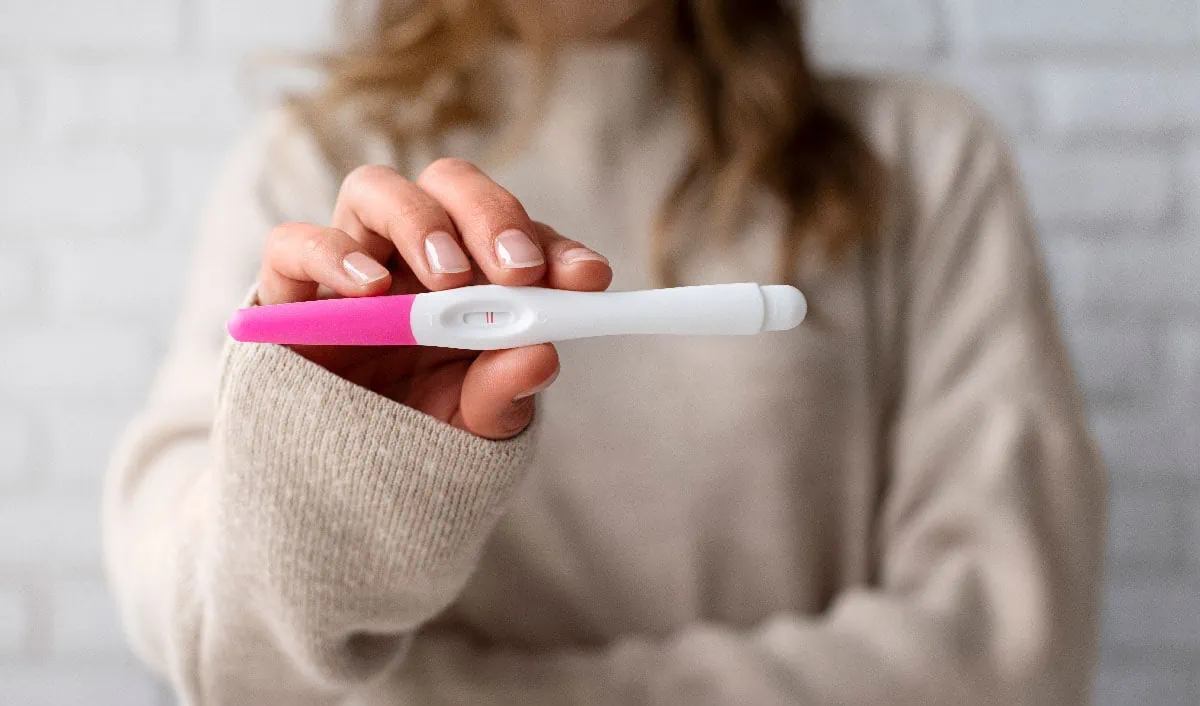
Early pregnancy symptoms in Lahore can vary from woman to woman, but common signs may include a missed period, nausea, breast tenderness, fatigue, frequent urination, mild cramping, and changes in appetite or mood. If you suspect pregnancy, taking a pregnancy test in Lahore can help confirm your pregnancy, while consulting a qualified doctor can provide appropriate guidance and care.
The first few weeks of pregnancy can bring many physical and emotional changes. Some women notice symptoms shortly after conception, while others may have very few symptoms during early pregnancy. Understanding these changes can help you recognize possible signs of pregnancy and know when to seek medical advice.
If you are trying to conceive or have been experiencing difficulty becoming pregnant, consulting a fertility specialist in Lahore can help identify possible fertility concerns and provide personalized guidance.
What Are the Early Signs of Pregnancy?
Early pregnancy symptoms can begin as early as a few weeks after conception, although the timing and intensity vary considerably.
Some of the most common early pregnancy symptoms include:
- Missed or delayed menstrual period
- Nausea or vomiting
- Breast tenderness or swelling
- Increased tiredness or fatigue
- Frequent urination
- Mild abdominal cramping
- Light spotting
- Increased sensitivity to smells
- Food cravings or aversions
- Mood changes
- Bloating
- Headaches
Having one or more of these symptoms does not necessarily mean that you are pregnant. Similar symptoms can occur before menstruation or because of hormonal changes, stress, or other health conditions.
Early Pregnancy Symptoms in Lahore: When Do They Start?
Early pregnancy symptoms in Lahore are generally the same as pregnancy symptoms experienced anywhere else. However, every woman’s pregnancy experience is different, and symptoms may appear at different times.
Some women may notice fatigue, breast tenderness, or mild cramping soon after conception. Others may not experience noticeable symptoms until several weeks into pregnancy.
A missed period is often one of the first noticeable signs of pregnancy, particularly for women who have regular menstrual cycles.
Can Pregnancy Symptoms Start Before a Missed Period?
Yes. Some women may experience symptoms before their expected period.
Possible early symptoms include:
- Breast tenderness
- Fatigue
- Mild cramping
- Bloating
- Changes in smell or taste
- Increased urination
However, these symptoms can also occur before menstruation. Therefore, symptoms alone cannot confirm pregnancy.
Missed Period as an Early Pregnancy Sign
A missed period is one of the most commonly recognized signs of pregnancy.
When conception occurs, hormonal changes support the development of pregnancy and usually prevent the next menstrual period. However, a late period can also happen because of stress, hormonal imbalance, PCOS, changes in weight, excessive exercise, or other medical conditions.
If your period is late and you have been sexually active, a pregnancy test can help determine whether pregnancy is the reason.
Pregnancy Test in Lahore: When Should You Take One?
A pregnancy test in Lahore can provide a convenient way to confirm suspected pregnancy after a missed period. Home urine pregnancy tests detect human chorionic gonadotropin (hCG), a hormone produced during pregnancy.
For the most reliable result, follow the instructions provided with the test kit carefully. Testing too early may result in a negative test even if pregnancy has occurred.
If your test is positive, arrange an appointment with a qualified healthcare professional for appropriate pregnancy confirmation and early prenatal care.
If your test is negative but your period remains absent, you may need to repeat the test after a few days or discuss your symptoms with a doctor.
Nausea and Morning Sickness in Early Pregnancy
Nausea is another common early pregnancy symptom. Despite being called “morning sickness,” nausea can occur at any time of the day.
Some women experience mild nausea, while others may experience vomiting. Certain smells, foods, or an empty stomach may make symptoms worse.
If vomiting is severe or you cannot keep fluids down, seek medical advice because excessive vomiting can lead to dehydration and may require treatment.
Breast Changes During Early Pregnancy
Hormonal changes during pregnancy can cause noticeable changes in the breasts.
You may experience:
- Breast tenderness
- Swelling
- Increased sensitivity
- A feeling of heaviness
- Darkening of the areolas
These changes can occur during the early weeks of pregnancy and may become more noticeable as pregnancy progresses.
Fatigue and Tiredness During Early Pregnancy
Feeling unusually tired is common during early pregnancy.
Hormonal changes, particularly increased progesterone, can contribute to fatigue. Your body is also undergoing significant changes to support the developing pregnancy.
Getting adequate rest, maintaining a balanced diet, staying hydrated, and following your healthcare provider’s advice can help you manage fatigue.
Frequent Urination During Early Pregnancy
Some women notice that they need to urinate more frequently during early pregnancy.
Hormonal changes and increased blood flow to the kidneys can contribute to increased urination. As pregnancy progresses, pressure from the growing uterus can also affect the bladder.
Frequent urination is common, but pain or burning during urination may indicate a urinary tract infection and should be discussed with a healthcare professional.
Mild Cramping and Spotting in Early Pregnancy
Mild abdominal cramping can occur during early pregnancy. Some women may also experience light spotting.
While mild symptoms can occur during early pregnancy, heavy bleeding, severe abdominal pain, dizziness, fainting, or shoulder pain require prompt medical evaluation.
Do not ignore unusual or severe symptoms. A healthcare professional can determine whether further examination or testing is necessary.
When to See a Fertility Specialist in Lahore
If you have been trying to conceive without success, it may be appropriate to consult a fertility specialist in Lahore for an evaluation.
A fertility specialist may assess factors affecting both partners, including:
- Ovulation problems
- Hormonal conditions
- PCOS
- Fallopian tube problems
- Endometriosis
- Sperm-related fertility problems
- Age-related fertility changes
- Previous pregnancy complications
Fertility evaluation does not automatically mean that you will need IVF. Depending on the underlying cause, treatment may include lifestyle guidance, medication, ovulation treatment, IUI, or other fertility procedures.
When Should You Consider an IVF Clinic in Lahore?
An IVF clinic in Lahore may be considered when certain fertility problems make natural conception difficult or when other fertility treatments have not been successful.
IVF, or in vitro fertilization, involves fertilizing an egg with sperm in a laboratory and transferring a resulting embryo into the uterus.
Depending on the couple’s circumstances, fertility treatment may involve IVF, ICSI, embryo freezing, fertility testing, or other assisted reproductive techniques.
The appropriate treatment depends on individual factors such as age, medical history, fertility test results, ovarian reserve, sperm quality, and previous treatment.
How Is Early Pregnancy Confirmed?
Pregnancy is usually confirmed using a pregnancy test that detects hCG.
A healthcare professional may recommend:
- A urine pregnancy test
- A blood pregnancy test
- An ultrasound examination at the appropriate stage of pregnancy
An ultrasound may be used to confirm the location and development of a pregnancy when it is medically appropriate.
Frequently Asked Questions About Early Pregnancy Symptoms
What are the most common early pregnancy symptoms in Lahore?
Common early pregnancy symptoms in Lahore include a missed period, nausea, breast tenderness, fatigue, frequent urination, mild cramping, food aversions, and increased sensitivity to smells. Symptoms vary between women, and having these symptoms does not confirm pregnancy.
When should I take a pregnancy test in Lahore?
A pregnancy test in Lahore can generally be taken around the time your period is due or after a missed period. Testing too early may produce a false-negative result because hCG levels may not yet be high enough to detect.
Can I be pregnant without having symptoms?
Yes, some women have few or no noticeable symptoms during the early stages of pregnancy. The absence of symptoms does not necessarily mean that you are not pregnant.
When should I see a fertility specialist in Lahore?
You should consider speaking with a fertility specialist in Lahore if you have been trying to conceive without success or have concerns about fertility. Your doctor can recommend appropriate tests and explain possible treatment options based on your individual circumstances.
When should I consider an IVF clinic in Lahore?
An IVF clinic in Lahore may be appropriate when IVF is recommended based on your fertility evaluation, particularly when other treatments have not been successful or certain fertility factors make IVF a suitable option. A fertility specialist can explain whether IVF is appropriate for you.
Is mild cramping normal during early pregnancy?
Mild cramping can occur during early pregnancy, but severe or persistent abdominal pain should not be ignored. Seek medical attention if cramping occurs with heavy bleeding, dizziness, fainting, or other concerning symptoms.
Is spotting during early pregnancy normal?
Light spotting can occur during early pregnancy, but bleeding should always be discussed with a healthcare professional if it is persistent, heavy, painful, or accompanied by other concerning symptoms.
Can early pregnancy symptoms be confused with PMS?
Yes, early pregnancy symptoms can sometimes be similar to premenstrual symptoms. Breast tenderness, fatigue, bloating, mood changes, and mild cramping can occur with both PMS and early pregnancy, so a pregnancy test is the best way to help determine whether pregnancy has occurred.
When to Seek Urgent Medical Care
Most early pregnancy symptoms are manageable, but certain symptoms require prompt medical attention.
Seek urgent medical care if you experience:
- Heavy vaginal bleeding
- Severe abdominal or pelvic pain
- Fainting or severe dizziness
- Severe vomiting or inability to keep fluids down
- Fever
- Severe weakness
- Shoulder pain associated with abdominal pain or bleeding
Early assessment can help identify complications and ensure appropriate treatment.