ICSI vs IVF: What Is the Difference and Which Do You Need? (Lahore Guide)

ICSI vs IVF: how the egg is fertilised
ICSI vs IVF: ICSI is a step within IVF, not a separate treatment. Learn the key differences, who needs it and what to ask your doctor in Lahore.

ICSI vs IVF: the short answer

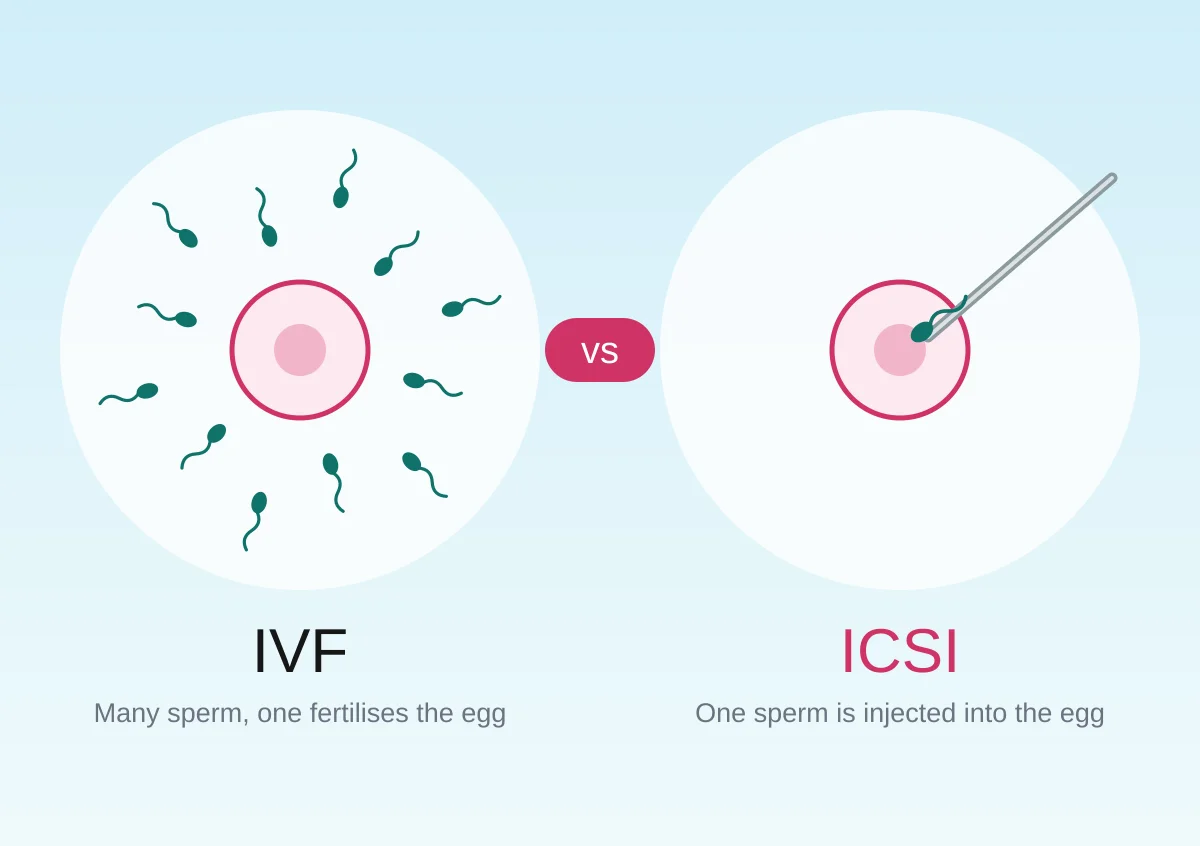
ICSI vs IVF is not a choice between two separate treatments. ICSI (intracytoplasmic sperm injection) is a way of fertilising the egg inside an IVF cycle. In standard IVF, thousands of sperm are placed with the eggs in a dish and one fertilises an egg on its own. In ICSI, an embryologist picks a single sperm and injects it directly into each egg.

Everything else is the same: ovarian stimulation, egg collection, embryo culture and embryo transfer. Your doctor recommends ICSI mainly when there is a male-factor problem or when fertilisation failed in an earlier cycle.

This guide, from the team at AAS Fertility & IVF Center in Lahore, explains the difference, who needs ICSI, how success rates and costs compare, and what to ask your doctor.

What are IVF and ICSI?

IVF (in vitro fertilisation) means the egg is fertilised by sperm outside the body, in the laboratory. In Pakistan it is often called “test tube baby” treatment. The steps are:

  1. Medicines stimulate the ovaries to produce several eggs.
  2. The eggs are collected with a thin needle under ultrasound guidance.
  3. The eggs and sperm are brought together in the lab.
  4. The embryos are grown for a few days and one is transferred to the womb.

You can read each step in our guides to the IVF process and the test tube baby procedure.

ICSI changes only step 3. Instead of leaving the sperm to find the egg, the embryologist uses a very fine needle to place one healthy-looking sperm inside each mature egg. The embryo is then grown and transferred in exactly the same way. When a clinic says a couple is “having ICSI”, it means IVF with ICSI as the fertilisation method. Learn more about ICSI treatment in Lahore at our center.

ICSI vs IVF at a glance

Conventional IVFIVF with ICSI
How the egg is fertilisedSperm and eggs are placed together in a dish and fertilise naturallyOne sperm is injected into each mature egg
Sperm neededMany healthy, moving spermOne viable sperm per egg
Usually recommended forFemale-factor causes, tubal problems, unexplained infertility, normal semenLow sperm count, poor movement or shape, sperm retrieved by surgery, failed fertilisation before
Stimulation, egg collection, transferSameSame
Lab workStandardExtra step by an embryologist, which is why it usually costs more
Chance of success when semen is normalSimilarSimilar, with no proven advantage

The last row matters. ICSI is a tool for a specific problem. It does not make IVF work better when sperm are not the problem.

Who needs ICSI, and who can have conventional IVF?

Your doctor may recommend ICSI if:

  • the semen analysis shows a low sperm count, poor movement or an abnormal shape (see our guide to the signs of low sperm count)
  • sperm were retrieved surgically, for example after a diagnosis of azoospermia, where there is no sperm in the semen
  • very few eggs were collected, so every egg needs the best chance of fertilising
  • eggs failed to fertilise in a previous conventional IVF cycle (see failed IVF)
  • the sperm were frozen and have limited quality after thawing
  • embryos will be tested with PGT-A, because many labs use ICSI for genetic testing

Conventional IVF is usually enough when semen parameters are normal and the cause is on the female side, such as blocked tubes, ovulation problems or endometriosis, or when no cause is found.

The decision is made case by case, after both partners are assessed. Our guide to male infertility treatment explains what that assessment looks like.

Is ICSI better than IVF? Success rates and safety

Not automatically. When male-factor infertility is not the problem, conventional IVF and ICSI have similar success rates. Your age, egg quality, sperm quality and medical history matter far more than the fertilisation method. For ICSI, the benefit is that it makes fertilisation possible when sperm numbers or quality are low.

Safety is also similar, because the medicines, egg collection and transfer are the same. Our guide to IVF risks and safety covers them. Two points are specific to ICSI:

  • A small number of eggs can be damaged during the injection.
  • ICSI is often used for severe male infertility, and some causes of it can be genetic. Your doctor may advise genetic testing for the man before treatment.

ICSI cannot choose a baby’s sex. Success depends on many factors, and no clinic can promise a result. For general figures see our page on IVF success rates.

ICSI cost in Lahore: what changes the price

ICSI usually costs more than conventional IVF because it needs extra laboratory work by an embryologist. The total depends on:

  • the number of eggs collected and how many are injected
  • your medicines, which vary with your age and ovarian response
  • whether sperm are retrieved by surgery first
  • whether you add embryo freezing or PGT-A
  • any repeat cycle or frozen transfer

Because these vary from couple to couple, ask for an itemised quote that shows the ICSI charge separately from the IVF cycle, the medicines and any extras. Our IVF cost in Lahore guide explains what a cycle usually includes.

ICSI aur IVF mein farq (Roman Urdu summary)

ICSI aur IVF do alag ilaaj nahi hain. ICSI, IVF ka hi ek tareeqa hai. Aam IVF mein lab ki dish mein anday aur bohat se sperm saath rakhe jaate hain aur sperm khud anday mein dakhil hota hai. ICSI mein embryologist ek achha sperm chun kar seedha anday ke andar daal deta hai.

Baaqi tamam marahil wahi rehte hain: dawaiyan, anday nikalna, embryo ka barhna aur transfer. ICSI aam taur par tab kiya jaata hai jab sperm kam hon, un ki harkat ya shakal theek na ho, ya pehle IVF mein fertilisation na hui ho. Agar sperm theek hon to ICSI se kamyabi ka imkaan zyada nahi hota.

Kaun sa tareeqa munasib hai, yeh doctor dono shauhar aur biwi ke muayene ke baad batati hain. ICSI ka kharch aam IVF se aksar zyada hota hai, is liye itemised quote zaroor lein.

How to decide between ICSI and IVF with your doctor

You do not choose between ICSI and IVF on your own. Come to your consultation with these questions:

  1. What does my partner’s semen analysis show, and is ICSI needed because of it?
  2. If our semen results are normal, is there any reason to add ICSI?
  3. Will you inject every egg, or only some of them?
  4. What is the ICSI charge, and is it listed separately in the quote?
  5. Do we need any genetic tests before treatment?
  6. What happens if fertilisation is low?

See a specialist if you have been trying for 12 months (6 months if the woman is 35 or older), or sooner if there is a known sperm problem, blocked tubes or irregular periods. Our fertility test guide explains the first tests.

At AAS Fertility & IVF Center, Chohan Tower, 16 Jail Road, Shadman II, Lahore, your first consultation is free. Call or WhatsApp +92 311 1100251, or book a consultation.

Frequently asked questions about ICSI vs IVF

Is ICSI better than IVF?

No, not in general. ICSI is better only when sperm quality or number is the problem. With normal semen, both methods have similar success rates.

Is ICSI the same as a test tube baby?

ICSI is a form of IVF, and in Pakistan “test tube baby” usually means IVF in general. A baby conceived with ICSI is conceived in the lab like any IVF baby.

Is ICSI painful?

The injection happens in the laboratory, not in your body, so you feel nothing. The discomfort of treatment comes from the injections and egg collection, which are the same as in standard IVF.

Does ICSI choose a boy or a girl?

No. ICSI does not select a baby’s sex. Embryo testing such as PGT-A is a separate procedure.

Can we have ICSI if the semen analysis is normal?

Yes, but it is not usually needed. Some doctors suggest it after a previous cycle with failed fertilisation. Ask why it is being recommended.

Does ICSI cost more than IVF?

Usually yes, because of the extra laboratory work. Ask for an itemised quote.

Is the ICSI procedure safe?

It carries the same risks as IVF, plus a small chance that an egg is damaged during injection. Your doctor will explain the risks for your situation.

Conclusion

ICSI vs IVF comes down to one step: how the egg is fertilised. ICSI is the right tool when sperm quality or number is the problem, and standard IVF is usually enough when it is not. Whichever you need, the rest of the treatment is the same, and the decision should follow a full assessment of both partners. Book a free consultation at AAS Fertility & IVF Center in Lahore to find out which suits you.

Sources

  • Acıbadem International: “ICSI vs IVF: the difference and when ICSI is chosen”
  • European Sperm Bank: “ICSI vs. IVF: understanding the key differences”
  • Apollo Fertility: “Comparing ICSI and IVF procedure”
  • MedlinePlus: “In vitro fertilization”

This is general information, not a diagnosis or a substitute for a consultation.
Share the Post:

Related Posts

Am I Pregnant? Early Pregnancy Symptoms & When to Test (Lahore Guide)

Early Pregnancy Symptoms: The Short Answer

Early pregnancy symptoms usually begin around 4 to 6 weeks after the first day of your last period, and the most reliable first sign is a missed period. But many women feel nothing at all in the first weeks, so a home pregnancy test taken on or after the first day of a missed period is the clearest way to find out.

If you are asking “am I pregnant?”, this guide explains the early signs to look for, how they differ from period symptoms, exactly when to test, and which symptoms need urgent care. It is written by the team at AAS Fertility & IVF Center, Jail Road, Shadman II, Lahore. If you are still trying to conceive, our guides on tracking ovulation and timing and the fertile window can help you plan the next cycle.

What Are the Early Pregnancy Symptoms?

The early signs of pregnancy are caused by rising pregnancy hormones, mainly hCG, estrogen and progesterone. Every pregnancy is different, and you may have only a few of the signs below, or none.

Common early signs

  • A missed period. For women with a regular cycle, this is the earliest and most reliable sign.
  • Tiredness. Extreme tiredness is one of the most common early signs.
  • Nausea, with or without vomiting. Often called morning sickness, it can happen at any time of day or night.
  • Sore, tender or tingling breasts. They may feel heavier, and the nipples may look darker.
  • Needing to pass urine more often, including at night.
  • Mood swings and feeling more emotional than usual.

Less common or later signs

  • A metallic taste in the mouth, or a sudden dislike of foods and smells you normally enjoy.
  • Bloating and mild cramps in the lower abdomen.
  • Constipation.
  • Light spotting or a very light “period” that is different from your usual one.
  • Headaches and mild dizziness.

Most of these signs can also appear before a normal period, which is why symptoms alone cannot confirm a pregnancy. The next sections show how to tell them apart, and a test is the only way to be sure.

When Do Early Pregnancy Symptoms Start?

Most women notice early pregnancy symptoms between weeks 4 and 6. Doctors count pregnancy weeks from the first day of your last period, so in weeks 1 and 2 you are not yet pregnant and cannot have symptoms. The table below shows what happens, and what you may feel, at each stage of a typical 28-day cycle.

Time (from first day of last period)What is happening in the bodyWhat you may notice
Weeks 1 to 2Your period ends and an egg maturesNo pregnancy symptoms
About day 14 to 21Ovulation, fertilisation, then the embryo travels to the womb and implantsUsually nothing; a few women see light spotting
Around week 4 (period due)hCG, the pregnancy hormone, rises and a test can turn positiveA missed period, tender breasts, tiredness may begin
Weeks 5 to 6hCG and estrogen climb quicklyNausea, passing urine more often, stronger tiredness, breast changes
Weeks 7 to 8Hormone levels stay highSymptoms are usually more noticeable; mood swings and food dislikes are common

The timing shifts if you ovulate earlier or later than day 14. If your periods are irregular, it is harder to know when a period is “missed”, and our guide to irregular periods and fertility explains why.

Early Pregnancy Symptoms vs Period (PMS) Symptoms

Early pregnancy and the days before a period feel very alike, because both are driven by progesterone. The signs below are patterns, not proof: only a pregnancy test can tell you which one you have.

SymptomBefore a period (PMS)Early pregnancy
PeriodArrives on or near the expected dayDoes not arrive, or is unusually light
Breast tendernessUsually eases once the period startsContinues, and breasts may feel heavier or tingly
CrampsLower abdominal cramps that build up to the periodMild, short cramps; no heavy flow follows
NauseaUncommonCommon from about weeks 4 to 6, at any time of day
TirednessMild to moderateOften stronger and lasts longer
Passing urineNo changeMore frequent, including at night
SpottingLight spotting just before the periodLight spotting around implantation, without a full flow
MoodIrritability or low mood that lifts when the period startsMood swings that carry on beyond the expected date

If you are seeing blood and wondering whether it could be pregnancy, our guides on getting pregnant on your period and irregular periods explain the difference between a period, ovulation bleeding and implantation spotting.

When to Take a Pregnancy Test

The best time to take a home pregnancy test is on or after the first day of your missed period. For the most reliable result, wait one week after the missed period. Testing earlier can show a false negative, because the pregnancy hormone hCG has not built up enough to be detected.

Home urine test

  • Regular cycle: test on or after the first day of your missed period. A positive result is very likely to be correct; a negative result in the first few days is less certain.
  • Irregular cycle or unsure of your dates: test at least 21 days after unprotected sex.
  • Use first-morning urine. It is the most concentrated, so hCG is easier to find.
  • Follow the pack instructions and check the expiry date. Used correctly, home tests are close to 99% accurate.
  • Very early tests that claim to work before a missed period are less reliable. A positive is likely true, but a negative does not rule pregnancy out.

Blood test (beta hCG)

A blood test at a clinic or laboratory can detect pregnancy earlier than a urine test and can measure the exact hCG level. Your doctor may advise it if you have irregular periods, a history of miscarriage or ectopic pregnancy, are on fertility treatment, or need a clear answer sooner. If you are having fertility treatment, a trigger injection or other medicine that contains hCG can affect early test results, so follow your clinic’s advice on when to test.

Negative test but your period is late

If the test is negative and your period still has not come, repeat it after a few days or one week. If it is still negative and your period has not arrived, see a doctor, because stress, weight change, thyroid problems, PCOS and other conditions can also delay a period. Our guides on irregular periods and pregnancy with PCOS cover the common causes.

A positive test: what to do next

Book a visit with your doctor to confirm the pregnancy and begin antenatal care. Until then, avoid smoking and alcohol, and ask your doctor about folic acid and any medicines you take.

Warning Signs That Need Urgent Care

Most early pregnancy symptoms are harmless, but a few signs can point to a miscarriage or an ectopic pregnancy, where the embryo implants outside the womb, usually in a fallopian tube. An ectopic pregnancy is uncommon, but it needs urgent treatment.

Go to a hospital emergency department now if you have

  • Sudden, severe pain in the lower abdomen or pelvis, especially on one side.
  • Pain at the tip of the shoulder.
  • Fainting, dizziness, or pale and clammy skin.
  • Heavy bleeding that soaks a large pad in an hour or less.

Call your doctor the same day if you have

  • Any vaginal bleeding after a positive pregnancy test.
  • Mild but persistent pelvic pain or cramping.
  • Vomiting so often that you cannot keep fluids down.
  • Fever, or pain when passing urine.

Light spotting can be normal in early pregnancy, but it is safer to have it checked than to wait.

Roman Urdu Summary (Hamal ki Shuruati Alamat)

Hamal ki shuruati alamat aam taur par last period ke pehle din se 4 se 6 hafton mein shuru hoti hain. Sab se pehli aur qabil-e-bharosa alamat period ka miss hona hai.

Is ke ilawa thakawat, matli ya ulti, chhati mein dard ya bharipan, aur baar baar peshab aana bhi aam alamat hain. Ye alamat period se pehle wali alamat se milti julti hain, is liye sirf pregnancy test hi pakka jawab deta hai.

Test period miss hone ke pehle din ya uske baad karein. Behtar hai ke ek hafta intezar karein, aur subah ka pehla peshab istemal karein. Agar test negative ho lekin period na aaye, to kuch din baad dobara test karein ya doctor se milein.

Agar achanak tez dard, bahut zyada khoon, ya chakkar aur behoshi ho to foran hospital ke emergency mein jayein.

When to See a Fertility Specialist in Lahore

If you keep getting negative tests while trying to conceive, the next step is a proper assessment rather than more waiting. Consider booking a consultation if:

  • You have been trying for 12 months without success, or for 6 months if you are 35 or older. Our guide on how often couples should try to conceive explains timing.
  • Your periods are irregular, very painful, or have stopped.
  • You have had a miscarriage, an ectopic pregnancy, or pelvic infection or surgery before.
  • You have PCOS, thyroid problems, endometriosis or another condition that can affect ovulation.
  • Your husband has a known sperm problem, or you simply want both partners checked. See our fertility test guide for what the first tests involve.

Book your free first consultation at AAS Fertility & IVF Center. Dr. Naila Jabeen’s team will review both partners’ history, explain the tests that are needed and what each step costs, and build a plan around your own situation. Learn how a consultation works.

  • Address: Chohan Tower, 16 Jail Road, Shadman II, Lahore
  • Phone and WhatsApp: +92 311 1100251
  • Landline: 042 375 79217

Frequently Asked Questions

Can early pregnancy symptoms start before a missed period?

Sometimes. Tiredness, headache and breast tenderness can appear before a period is due, but they are also common before a normal period. For that reason they cannot confirm a pregnancy, and a test after the missed period is more reliable.

Can you be pregnant without any symptoms?

Yes. Some women have no symptoms at all in the first weeks, and others only notice a missed period. Not feeling pregnant does not mean you are not pregnant, so test if your period is late.

Is light bleeding in early pregnancy normal?

Light spotting can happen around the time the embryo implants and is often normal. Bleeding that is heavy, or comes with pain, dizziness or fainting, is not, and needs urgent medical care.

Can a pregnancy test be wrong?

A false negative is the most common error, usually because the test was taken too early or with dilute urine. A false positive is rare, but it can follow a recent pregnancy loss or fertility medicine that contains hCG. If the result does not match your symptoms, repeat the test or ask for a blood test.

Can stress or PCOS delay a period and feel like pregnancy?

Yes. Stress, sudden weight change, thyroid problems and PCOS can all delay or skip a period. A negative test with a late period is a reason to see a doctor.

Do my symptoms mean the pregnancy is healthy?

Not necessarily. Symptoms vary a great deal from woman to woman, and having few of them is not a sign of a problem. What matters is a confirmed pregnancy and regular antenatal care, with urgent review for bleeding or severe pain.

Which doctor should I see after a positive test?

A gynaecologist or obstetrician. If you conceived with fertility treatment, or you have had a miscarriage or ectopic pregnancy before, tell the doctor early so the first scan and blood tests are planned correctly.

Conclusion

Early pregnancy symptoms such as a missed period, tiredness, nausea and tender breasts usually appear around weeks 4 to 6, but they look a lot like period symptoms and some women have none. The reliable answer is a home pregnancy test on or after the first day of a missed period, repeated a week later if it is negative and your period has not come. Severe pain, heavy bleeding or fainting need emergency care.

If you are in Lahore and have been trying to conceive without a positive test, or you want a clear plan, visit AAS Fertility & IVF Center on Jail Road, Shadman II, or call or WhatsApp +92 311 1100251. Your first consultation is free. You can also read our guides on fertility tests and the IVF process to know what to expect.

This article is general information, not a diagnosis. If you are worried about your health, speak to a doctor.

Can You Get Pregnant on Your Period? A Lahore Fertility Specialist’s Guide

Can you get pregnant on your period? Yes, it is possible, but it is uncommon. The bleeding itself is not the cause. Sperm can survive inside the body for up to five days, so if you ovulate soon after your period, they can still be there to meet the egg.

Your chance of getting pregnant on your period is higher if your cycle is short (about 24 days or less), your period is long (7 days or more), or your cycles are irregular. No time of the month is completely safe without contraception.

This guide, from the team at AAS Fertility & IVF Center in Lahore, explains how it happens, who is more likely to conceive, how to tell a period from other bleeding, and what to do next. The NHS also confirms there is no completely safe time of the month to have sex without contraception.

How your cycle and fertile window work

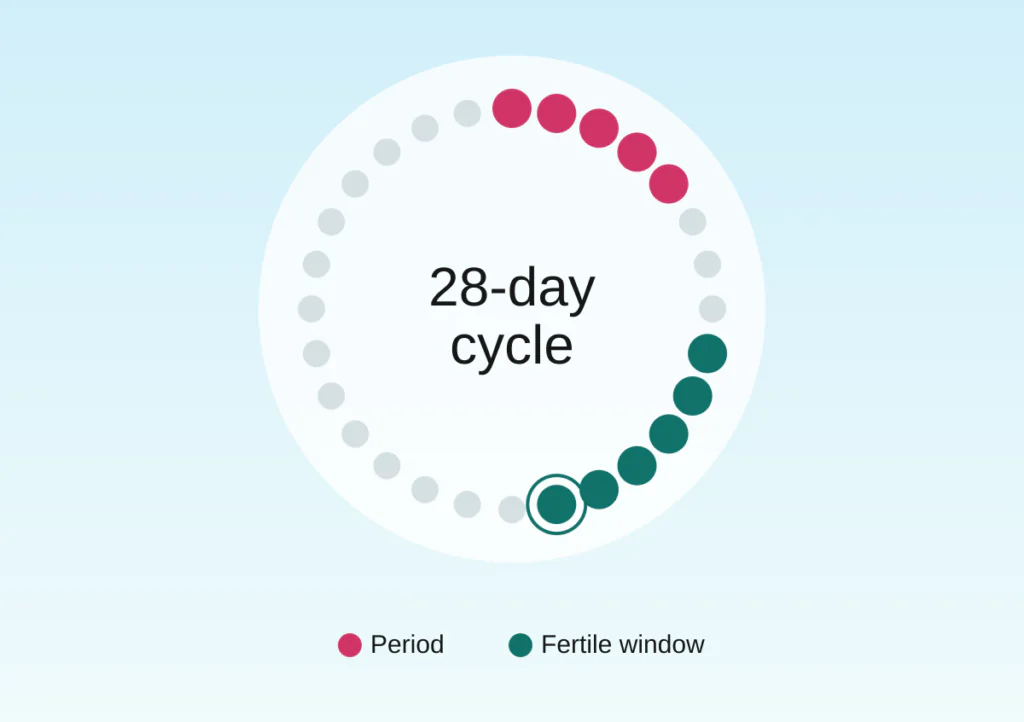
Your cycle is counted from the first day of bleeding to the day before your next period starts. 28 days is the textbook average, but healthy cycles range from roughly 21 to 35 days.

Ovulation, when an ovary releases an egg, usually happens about 12 to 14 days before your next period. The egg survives only 12 to 24 hours, while sperm can survive up to five days. That gives you a fertile window of about six days: the five days before ovulation, plus ovulation day.

The shorter your cycle, the closer that window sits to your period:

Cycle lengthUsual ovulation dayFertile window (approx.)Overlap with a 5 to 7 day period
21 daysDay 7Days 2 to 7Yes, likely
24 daysDay 10Days 5 to 10Possible at the end of the period
28 daysDay 14Days 9 to 14Very unlikely
35 daysDay 21Days 16 to 21No

These are estimates. Ovulation can move from one cycle to the next, so use the table as a guide, not a calendar you can rely on.

How you can get pregnant on your period

You cannot ovulate while you are having a true period, so pregnancy does not happen on the spot. It happens in three steps:

  1. You have unprotected sex on a later day of your period, when flow is light.
  2. Sperm survive in the reproductive tract, helped by fertile cervical mucus, for up to five days.
  3. You ovulate earlier than expected, and a sperm is still there when the egg is released.

The risk rises with each day of the period. Sex on day 1 or 2, when flow is heaviest and ovulation is furthest away, carries the lowest risk. Sex on the last days of a long period, followed by early ovulation, carries the highest.

So, can you get pregnant on your period? Yes. A period is not a form of contraception, and there is no “safe” day of the cycle if you want to avoid pregnancy.

Who is more likely to get pregnant on their period

Pregnancy from period sex is mostly a story about timing, so these groups have a higher chance:

  • Short cycles. If your cycle is about 24 days or less, ovulation can fall within days of your period ending.
  • Long periods. Bleeding for 7 days or more means sex late in the period sits close to the fertile window.
  • Irregular cycles. When ovulation is hard to predict, as in PCOS or thyroid problems, any day can fall near it. See our guides on irregular periods and fertility and pregnancy with PCOS.
  • After a birth or miscarriage. Ovulation can return before your first period does, so you can conceive before you see any bleeding.
  • Recently stopped hormonal contraception. It can take a few cycles for a regular pattern to return.

Is it your period, ovulation spotting or implantation bleeding?

Not all vaginal bleeding is a period. If you had unprotected sex and your “period” looks unusual, compare it with this table:

True periodOvulation spottingImplantation bleeding
WhenStart of the cycleMid-cycle, around ovulationAbout a week before your expected period, if you conceived
FlowModerate to heavy, builds upVery light, spotting onlyVery light, spotting only
ColourBright to dark redPink or light brownPink or brown
Lasts3 to 7 days1 to 2 daysA few hours to 2 days

A true period cannot happen during pregnancy. If your next period is lighter or shorter than usual, or comes at an odd time, take a pregnancy test. Severe one-sided pain with bleeding needs urgent medical care, because it can signal an ectopic pregnancy.

Periods mein hamal thehr sakta hai? (Roman Urdu summary)

Jee haan, lekin imkaan kam hota hai. Sperm aurat ke jism mein 5 din tak zinda reh sakta hai. Is liye agar periods ke aakhri dinon mein ta’luq ho aur ovulation jaldi ho jaye, to hamal ho sakta hai. Yeh khaas taur par un khawateen mein hota hai jin ki cycle chhoti ho (24 din ya kam), periods lambe hon, ya cycle be-tarteeb ho.

Periods koi mehfooz waqt nahi hain. Agar abhi hamal nahi chahtay to contraception istemal karein. Agar hamal chahtay hain aur 12 mahine koshish ke baad (35 saal se zyada umar mein 6 mahine) bhi nahi ho raha, to fertility specialist se mashwara karein.

If you are trying to conceive: time sex around ovulation, not your period

If your goal is pregnancy, your best chances come in the days before ovulation, not during your period. Our guide on how often couples should try to conceive explains how frequently to have sex.

  • Have sex every 1 to 2 days from the end of your period through the days around ovulation. You do not need to time it to the hour.
  • Track your cycle. Note the first day of each period for a few months to learn your usual length. Our guides on finding your fertile window and tracking ovulation explain the methods.
  • Watch for fertile mucus. Clear, stretchy mucus like raw egg white usually appears just before ovulation.
  • Use ovulation test kits as a guide. They detect the hormone surge that comes before ovulation, but they are not perfect, so do not rely on one alone.
  • Start folic acid before you conceive. Ask your doctor about the right dose for you.
  • Avoid smoking, which can reduce fertility in both partners.

When to see a fertility specialist

See a specialist if you have been trying with regular unprotected sex for 12 months (under 35) or 6 months (35 or older) without a pregnancy. Go sooner if:

  • your periods are irregular, very infrequent or absent
  • your periods are very painful or very heavy
  • you have PCOS, endometriosis, fibroids or a past pelvic infection
  • your partner has a known low sperm count or has had testicular surgery
  • you are 40 or older

Our guides on when to visit a fertility doctor and the fertility test guide explain what the first assessment involves.

At AAS Fertility & IVF Center, Chohan Tower, 16 Jail Road, Shadman II, Lahore, your first consultation is free. Call or WhatsApp +92 311 1100251, or book a consultation.

Frequently asked questions

Can you get pregnant on the first day of your period?

It is very unlikely. Ovulation is usually many days away, and sperm survive only up to five days. It is only conceivable with an unusually short cycle.

Can you get pregnant on the last day of your period?

Yes, this is more likely than on the first day. If you ovulate within about five days, sperm from that day can still be present, especially with a short cycle.

Can you get pregnant right after your period?

Yes. Your fertile window can begin within days of your period ending, even though you are not ovulating yet.

Can you get pregnant the day before your period?

It is extremely unlikely. The egg survives only 12 to 24 hours after ovulation, and ovulation normally happens about two weeks before the next period.

Does period blood wash sperm away?

No. Menstrual flow does not stop sperm from entering the cervix, and they can survive for days.

Can you get pregnant on your period while on birth control?

It is uncommon if you use it correctly, but missed pills, vomiting or a late injection can lower protection. Ask your doctor about your method.

Can you be pregnant and still have a period?

A true period cannot happen during pregnancy, but light bleeding can occur in early pregnancy and be mistaken for one. Take a pregnancy test if your period seems unusual. Heavy bleeding or severe pain needs urgent medical care.

Conclusion

Can you get pregnant on your period? Yes, but it is unlikely, and the risk depends on your cycle length, how long you bleed and when you ovulate. If you want to avoid pregnancy, use contraception in every cycle. If you want to conceive, aim for the days before ovulation, and see a specialist if it is taking longer than expected. Book consultation at AAS Fertility & IVF Center in Lahore.

Early Pregnancy and Common Symptoms: What to Expect in the First Weeks

Early pregnancy symptoms in Lahore can vary from woman to woman, but common signs may include a missed period, nausea, breast tenderness, fatigue, frequent urination, mild cramping, and changes in appetite or mood. If you suspect pregnancy, taking a pregnancy test in Lahore can help confirm your pregnancy, while consulting a qualified doctor can provide appropriate guidance and care.

The first few weeks of pregnancy can bring many physical and emotional changes. Some women notice symptoms shortly after conception, while others may have very few symptoms during early pregnancy. Understanding these changes can help you recognize possible signs of pregnancy and know when to seek medical advice.

If you are trying to conceive or have been experiencing difficulty becoming pregnant, consulting a fertility specialist in Lahore can help identify possible fertility concerns and provide personalized guidance.

What Are the Early Signs of Pregnancy?

Early pregnancy symptoms can begin as early as a few weeks after conception, although the timing and intensity vary considerably.

Some of the most common early pregnancy symptoms include:

  • Missed or delayed menstrual period
  • Nausea or vomiting
  • Breast tenderness or swelling
  • Increased tiredness or fatigue
  • Frequent urination
  • Mild abdominal cramping
  • Light spotting
  • Increased sensitivity to smells
  • Food cravings or aversions
  • Mood changes
  • Bloating
  • Headaches

Having one or more of these symptoms does not necessarily mean that you are pregnant. Similar symptoms can occur before menstruation or because of hormonal changes, stress, or other health conditions.

Early Pregnancy Symptoms in Lahore: When Do They Start?

Early pregnancy symptoms in Lahore are generally the same as pregnancy symptoms experienced anywhere else. However, every woman’s pregnancy experience is different, and symptoms may appear at different times.

Some women may notice fatigue, breast tenderness, or mild cramping soon after conception. Others may not experience noticeable symptoms until several weeks into pregnancy.

A missed period is often one of the first noticeable signs of pregnancy, particularly for women who have regular menstrual cycles.

Can Pregnancy Symptoms Start Before a Missed Period?

Yes. Some women may experience symptoms before their expected period.

Possible early symptoms include:

  • Breast tenderness
  • Fatigue
  • Mild cramping
  • Bloating
  • Changes in smell or taste
  • Increased urination

However, these symptoms can also occur before menstruation. Therefore, symptoms alone cannot confirm pregnancy.

Missed Period as an Early Pregnancy Sign

A missed period is one of the most commonly recognized signs of pregnancy.

When conception occurs, hormonal changes support the development of pregnancy and usually prevent the next menstrual period. However, a late period can also happen because of stress, hormonal imbalance, PCOS, changes in weight, excessive exercise, or other medical conditions.

If your period is late and you have been sexually active, a pregnancy test can help determine whether pregnancy is the reason.

Pregnancy Test in Lahore: When Should You Take One?

A pregnancy test in Lahore can provide a convenient way to confirm suspected pregnancy after a missed period. Home urine pregnancy tests detect human chorionic gonadotropin (hCG), a hormone produced during pregnancy.

For the most reliable result, follow the instructions provided with the test kit carefully. Testing too early may result in a negative test even if pregnancy has occurred.

If your test is positive, arrange an appointment with a qualified healthcare professional for appropriate pregnancy confirmation and early prenatal care.

If your test is negative but your period remains absent, you may need to repeat the test after a few days or discuss your symptoms with a doctor.

Nausea and Morning Sickness in Early Pregnancy

Nausea is another common early pregnancy symptom. Despite being called “morning sickness,” nausea can occur at any time of the day.

Some women experience mild nausea, while others may experience vomiting. Certain smells, foods, or an empty stomach may make symptoms worse.

If vomiting is severe or you cannot keep fluids down, seek medical advice because excessive vomiting can lead to dehydration and may require treatment.

Breast Changes During Early Pregnancy

Hormonal changes during pregnancy can cause noticeable changes in the breasts.

You may experience:

  • Breast tenderness
  • Swelling
  • Increased sensitivity
  • A feeling of heaviness
  • Darkening of the areolas

These changes can occur during the early weeks of pregnancy and may become more noticeable as pregnancy progresses.

Fatigue and Tiredness During Early Pregnancy

Feeling unusually tired is common during early pregnancy.

Hormonal changes, particularly increased progesterone, can contribute to fatigue. Your body is also undergoing significant changes to support the developing pregnancy.

Getting adequate rest, maintaining a balanced diet, staying hydrated, and following your healthcare provider’s advice can help you manage fatigue.

Frequent Urination During Early Pregnancy

Some women notice that they need to urinate more frequently during early pregnancy.

Hormonal changes and increased blood flow to the kidneys can contribute to increased urination. As pregnancy progresses, pressure from the growing uterus can also affect the bladder.

Frequent urination is common, but pain or burning during urination may indicate a urinary tract infection and should be discussed with a healthcare professional.

Mild Cramping and Spotting in Early Pregnancy

Mild abdominal cramping can occur during early pregnancy. Some women may also experience light spotting.

While mild symptoms can occur during early pregnancy, heavy bleeding, severe abdominal pain, dizziness, fainting, or shoulder pain require prompt medical evaluation.

Do not ignore unusual or severe symptoms. A healthcare professional can determine whether further examination or testing is necessary.

When to See a Fertility Specialist in Lahore

If you have been trying to conceive without success, it may be appropriate to consult a fertility specialist in Lahore for an evaluation.

A fertility specialist may assess factors affecting both partners, including:

  • Ovulation problems
  • Hormonal conditions
  • PCOS
  • Fallopian tube problems
  • Endometriosis
  • Sperm-related fertility problems
  • Age-related fertility changes
  • Previous pregnancy complications

Fertility evaluation does not automatically mean that you will need IVF. Depending on the underlying cause, treatment may include lifestyle guidance, medication, ovulation treatment, IUI, or other fertility procedures.

When Should You Consider an IVF Clinic in Lahore?

An IVF clinic in Lahore may be considered when certain fertility problems make natural conception difficult or when other fertility treatments have not been successful.

IVF, or in vitro fertilization, involves fertilizing an egg with sperm in a laboratory and transferring a resulting embryo into the uterus.

Depending on the couple’s circumstances, fertility treatment may involve IVF, ICSI, embryo freezing, fertility testing, or other assisted reproductive techniques.

The appropriate treatment depends on individual factors such as age, medical history, fertility test results, ovarian reserve, sperm quality, and previous treatment.

How Is Early Pregnancy Confirmed?

Pregnancy is usually confirmed using a pregnancy test that detects hCG.

A healthcare professional may recommend:

  1. A urine pregnancy test
  2. A blood pregnancy test
  3. An ultrasound examination at the appropriate stage of pregnancy

An ultrasound may be used to confirm the location and development of a pregnancy when it is medically appropriate.

Frequently Asked Questions About Early Pregnancy Symptoms

What are the most common early pregnancy symptoms in Lahore?

Common early pregnancy symptoms in Lahore include a missed period, nausea, breast tenderness, fatigue, frequent urination, mild cramping, food aversions, and increased sensitivity to smells. Symptoms vary between women, and having these symptoms does not confirm pregnancy.

When should I take a pregnancy test in Lahore?

A pregnancy test in Lahore can generally be taken around the time your period is due or after a missed period. Testing too early may produce a false-negative result because hCG levels may not yet be high enough to detect.

Can I be pregnant without having symptoms?

Yes, some women have few or no noticeable symptoms during the early stages of pregnancy. The absence of symptoms does not necessarily mean that you are not pregnant.

When should I see a fertility specialist in Lahore?

You should consider speaking with a fertility specialist in Lahore if you have been trying to conceive without success or have concerns about fertility. Your doctor can recommend appropriate tests and explain possible treatment options based on your individual circumstances.

When should I consider an IVF clinic in Lahore?

An IVF clinic in Lahore may be appropriate when IVF is recommended based on your fertility evaluation, particularly when other treatments have not been successful or certain fertility factors make IVF a suitable option. A fertility specialist can explain whether IVF is appropriate for you.

Is mild cramping normal during early pregnancy?

Mild cramping can occur during early pregnancy, but severe or persistent abdominal pain should not be ignored. Seek medical attention if cramping occurs with heavy bleeding, dizziness, fainting, or other concerning symptoms.

Is spotting during early pregnancy normal?

Light spotting can occur during early pregnancy, but bleeding should always be discussed with a healthcare professional if it is persistent, heavy, painful, or accompanied by other concerning symptoms.

Can early pregnancy symptoms be confused with PMS?

Yes, early pregnancy symptoms can sometimes be similar to premenstrual symptoms. Breast tenderness, fatigue, bloating, mood changes, and mild cramping can occur with both PMS and early pregnancy, so a pregnancy test is the best way to help determine whether pregnancy has occurred.

When to Seek Urgent Medical Care

Most early pregnancy symptoms are manageable, but certain symptoms require prompt medical attention.

Seek urgent medical care if you experience:

  • Heavy vaginal bleeding
  • Severe abdominal or pelvic pain
  • Fainting or severe dizziness
  • Severe vomiting or inability to keep fluids down
  • Fever
  • Severe weakness
  • Shoulder pain associated with abdominal pain or bleeding

Early assessment can help identify complications and ensure appropriate treatment.

Family Balancing with PGT-A: Baby Health & Gender in Lahore

Choosing to have a baby is one of the most meaningful decisions a couple can make. For many families in Pakistan, the dream is not only to have a healthy child but also to complete their family with a son or daughter after already having children of one gender. Today, family balancing with PGT-A Pakistan offers a safe and scientifically advanced way to achieve this goal while putting the baby’s health first.

At AAS Fertility & IVF Center, located on Jail Road, Lahore, Dr. Naila Jabeen, IVF Specialist, guides couples through this journey with compassion, ethical care, and modern reproductive technology. If you have questions about PGT-A gender selection Pakistan, this guide explains everything in simple language so you can make informed decisions with confidence.


▶ Watch Dr. Naila Jabeen Explain Family Balancing with PGT-A

In this video, Dr. Naila Jabeen explains family balancing with PGT-A in her own words. Before reading further, take a few minutes to watch how this advanced technology helps couples choose healthy embryos while supporting family balancing in a safe and ethical manner.

What is PGT-A? Simple Explanation for Pakistani Couples

PGT-A (Preimplantation Genetic Testing for Aneuploidy) is an advanced genetic test performed during IVF before an embryo is placed inside the uterus.

The name may sound technical, but the idea is simple. Doctors check whether each embryo has the correct number of chromosomes before selecting it for pregnancy.

Chromosomes carry your baby’s genetic information. A healthy embryo normally has 46 chromosomes. Sometimes an embryo may have too many or too few chromosomes, a condition known as aneuploidy. Such embryos often fail to implant or may lead to miscarriage.

PGT-A identifies which embryos are chromosomally normal (called euploid embryos) and which are not. Only healthy embryos are recommended for transfer.

Many people still know this technology by its previous name, PGS (Preimplantation Genetic Screening). Today, the internationally accepted term is PGT-A.

By selecting the healthiest embryo first, PGT-A improves the chances of a successful pregnancy while reducing the likelihood of miscarriage and unsuccessful IVF cycles.


What is Family Balancing and How Does PGT-A Help?

Family balancing means choosing your baby’s gender during IVF to help complete your family after having children of the same gender.

Many Pakistani couples visit fertility clinics after having two or three sons and wishing for a daughter, or vice versa. Their goal is not simply gender preference—it is achieving a balanced family.

PGT-A makes this possible through modern science.

During IVF, several embryos may develop in the laboratory. Before any embryo is transferred, PGT-A checks its chromosomes. Along with confirming that an embryo is genetically healthy, the test also identifies its sex chromosomes.

  • XX chromosomes indicate a female embryo.
  • XY chromosomes indicate a male embryo.

After identifying healthy embryos, the couple and fertility specialist can discuss transferring the embryo that best meets both medical and family-balancing goals.

At AAS Fertility & IVF Center, the first priority is always the embryo’s health. Gender selection is considered only after confirming that an embryo is chromosomally normal.

This approach supports healthy pregnancies while helping couples complete their families responsibly and ethically.


Is Gender Selection Allowed in Islam and Pakistan?

This is one of the most sensitive questions Pakistani couples ask, and it deserves an honest and respectful answer.

Islamic scholars have expressed different opinions regarding gender selection. While viewpoints vary, many scholars agree that modern fertility treatments can be acceptable when they are carried out within clear ethical boundaries.

The Federal Shariat Court of Pakistan (2017) confirmed that IVF is permissible when the sperm and egg belong to a legally married husband and wife and the embryo is transferred into the wife’s uterus.

When it comes to family balancing, many scholars permit the procedure if it is performed responsibly and respectfully. An important ethical consideration is the treatment of embryos that are not selected.

At AAS Fertility & IVF Center, embryos of the non-selected gender are not destroyed.

Instead, they are safely preserved through [Link to /embryo-banking/] embryo banking, allowing couples to use them in future pregnancies if they wish.

This approach respects the value of every embryo while providing families with future reproductive choices.

Dr. Naila Jabeen carefully discusses these ethical and religious considerations during consultation so couples can make informed decisions that align with both their personal beliefs and medical needs.

Every family’s situation is unique, and respectful guidance remains an important part of treatment.


The PGT-A Process Step by Step at AAS Fertility Lahore

Step 1 — IVF Stimulation and Egg Collection

The journey begins with IVF treatment. Fertility medications gently stimulate the ovaries to produce several mature eggs instead of the single egg produced during a natural cycle.

Doctors monitor this process using blood tests and ultrasound scans. Once the eggs are ready, they are collected during a short procedure performed under light sedation for patient comfort.


Step 2 — Fertilisation in the Laboratory (IVF/ICSI)

The collected eggs are fertilised using the husband’s sperm inside the IVF laboratory.

If sperm quality is reduced, ICSI may be recommended. In this technique, an embryologist injects a single healthy sperm directly into each mature egg to improve fertilisation.

The fertilised eggs are then placed in carefully controlled laboratory incubators that closely mimic natural conditions.


Step 3 — Embryo Development (Day 5 Blastocyst)

Over the next five days, the embryos continue developing inside the laboratory.

Only embryos that grow well reach the blastocyst stage, which is considered the ideal stage for genetic testing.

By Day 5, the embryo has enough cells for a tiny sample to be safely removed without affecting its future development.


Step 4 — Embryo Biopsy for Genetic Testing

A highly experienced embryologist carefully removes a few cells from the outer layer of each blastocyst.

These cells naturally become part of the placenta rather than the baby itself, making the biopsy procedure safe when performed by trained specialists.

The samples are then sent to a specialised genetics laboratory where advanced testing evaluates all chromosomes.

The embryo itself is safely frozen while waiting for the results.


Step 5 — Results and Embryo Selection

The genetic report identifies which embryos are chromosomally normal and suitable for transfer.

The report also identifies whether each healthy embryo carries XX chromosomes (female) or XY chromosomes (male).

Dr. Naila Jabeen reviews these findings with the couple, explains every option clearly, and helps them choose the healthiest embryo while respecting their family-balancing goals.


Step 6 — Frozen Embryo Transfer (FET)

Once the healthiest embryo has been selected, it is thawed and transferred into the uterus during a simple, painless outpatient procedure.

Any remaining healthy embryos—including those of the non-selected gender—are preserved through embryo banking using modern vitrification technology.

This allows couples to return later if they wish to expand their family without repeating the entire IVF process.

Who is PGT-A Family Balancing Right For?

PGT-A family balancing is not only about choosing a baby’s gender—it is about improving the chances of a healthy pregnancy while meeting the unique needs of each family.

Couples Who Already Have Two or More Children of the Same Gender

Many Pakistani couples wish to complete their family after having two or more sons or daughters. PGT-A allows them to select a healthy embryo of their preferred gender while ensuring the embryo is chromosomally normal before transfer.

Couples with Recurrent Miscarriages

Repeated miscarriages are often caused by chromosomal abnormalities in embryos. PGT-A helps identify healthy embryos, reducing the risk of miscarriage and improving the likelihood of a successful pregnancy.

Women Over 35

As women grow older, the chances of embryos having chromosome abnormalities naturally increase. PGT-A helps identify the healthiest embryo, improving implantation rates and supporting a safer pregnancy.

Couples with Repeated IVF Failure

Sometimes IVF fails because embryos appear healthy but carry hidden chromosome abnormalities. PGT-A can identify these issues and improve the chances of success in future IVF cycles.

Couples with a Known Genetic Condition

Families with certain inherited genetic conditions may benefit from advanced genetic testing during IVF. During your consultation, Dr. Naila Jabeen will explain whether PGT-A or another genetic testing option is most suitable for your situation.


PGT-A and Healthy Baby — How It Reduces Risks

The greatest advantage of PGT-A is that it helps doctors choose the healthiest embryo before pregnancy begins.

Research has shown that chromosome abnormalities are one of the leading causes of failed IVF cycles and early miscarriage. By transferring only chromosomally normal embryos, PGT-A significantly improves the chances of implantation.

Studies have also shown that miscarriage rates may decrease by as much as 50% in selected patients, especially women over 35 and couples who have experienced repeated pregnancy loss.

Another benefit is reducing unnecessary IVF attempts. Instead of transferring embryos that are unlikely to develop successfully, doctors can focus on embryos with the highest potential.

Although PGT-A cannot guarantee pregnancy, it gives couples the best possible opportunity for a healthy pregnancy while reducing emotional stress caused by repeated unsuccessful IVF cycles.


What Happens to the Embryos of the Other Gender?

This is one of the most common questions asked by couples considering family balancing in Pakistan.

At AAS Fertility & IVF Center, every embryo is treated with respect and care, regardless of its gender.

Healthy embryos that are not selected for the current pregnancy are never discarded. Instead, they are preserved through embryo banking using advanced vitrification technology.

These frozen embryos remain available if the couple wishes to have another child in the future.

This approach provides families with future reproductive options while respecting ethical and religious values that are important to many Pakistani couples.

Dr. Naila Jabeen discusses every available option during consultation so couples can make informed decisions with complete confidence.


PGT-A Success Rate and What to Expect

PGT-A improves IVF success because it helps identify embryos that are most likely to result in a healthy pregnancy.

When only chromosomally normal embryos are transferred, implantation rates are generally higher and miscarriage rates are lower.

Many international studies report pregnancy success rates of approximately 60–70% per embryo transfer with PGT-A-tested embryos compared to around 40–50% without PGT-A, although results vary depending on individual circumstances.

Age, ovarian reserve, sperm quality, embryo quality, and overall reproductive health all influence success.

It is important to remember that PGT-A is a powerful tool, but it does not guarantee pregnancy. Instead, it significantly increases the chances of achieving a healthy pregnancy while reducing avoidable risks.


Why Choose AAS Fertility & IVF Center for PGT-A in Lahore?

Choosing the right fertility clinic is just as important as choosing the right treatment.

At AAS Fertility & IVF Center, every treatment plan is personalised according to each couple’s medical history, fertility goals, and family planning needs.

Led by Dr. Naila Jabeen, one of Pakistan’s experienced IVF specialists, the clinic combines advanced reproductive technology with compassionate patient care.

Located on Jail Road, Lahore, the center offers:

Every embryo is handled using internationally accepted laboratory protocols, and couples receive honest guidance throughout the entire journey.

If you are considering family balancing or want to learn more about PGT-A, Book today and discuss your options with Dr. Naila Jabeen.


Frequently Asked Questions About PGT-A and Family Balancing in Pakistan

Q: What is PGT-A in IVF?

A: PGT-A is a genetic test performed on embryos during IVF to identify chromosomally healthy embryos before transfer. It also identifies the sex chromosomes, allowing family balancing where appropriate.


Q: Is gender selection through IVF allowed in Pakistan?

A: Family balancing is a sensitive topic. At AAS Fertility, it is offered with ethical counselling by Dr. Naila Jabeen. Healthy embryos that are not selected are frozen rather than discarded.


Q: Does PGT-A guarantee the gender of the baby?

A: Yes. PGT-A accurately identifies XX (female) and XY (male) chromosomes. When the selected embryo is transferred successfully, the baby’s gender is determined with very high accuracy.


Q: What happens to embryos of the non-selected gender?

A: At AAS Fertility, healthy embryos of the non-selected gender are preserved through vitrification and stored safely for possible future pregnancies.


Q: Does PGT-A increase IVF success rates?

A: Yes. Selecting chromosomally normal embryos improves implantation rates, lowers miscarriage risk, and increases the chances of a successful healthy pregnancy.


Q: How much does PGT-A cost in Lahore?

A: PGT-A involves additional laboratory costs beyond standard IVF. The total cost depends on the number of embryos tested. Dr. Naila Jabeen explains the complete cost during your consultation.


CONCLUSION

Choosing IVF is a deeply personal journey, and PGT-A gives Pakistani couples the opportunity to prioritise both their baby’s health and their family’s future. By selecting chromosomally healthy embryos before transfer, this advanced technology improves pregnancy outcomes while supporting family balancing in a safe and ethical way.

At AAS Fertility & IVF Center, Dr. Naila Jabeen combines modern reproductive medicine with compassionate care, helping every couple make informed decisions with confidence. If you are considering PGT-A or IVF, Contact AAS Fertility & IVF Center today on Jail Road, Lahore. and take the next step toward building the family you’ve always dreamed of.

PGT-A (Preimplantation Genetic Testing for Aneuploidy) helps couples undergoing IVF select chromosomally healthy embryos before pregnancy. It can also identify the embryo’s gender for family balancing when appropriate. At AAS Fertility & IVF Center, Lahore, Dr. Naila Jabeen provides PGT-A with advanced laboratory technology, ethical guidance, and compassionate care. Healthy embryos that are not selected are safely preserved through embryo banking rather than discarded, making PGT-A one of the most advanced and responsible fertility treatments available in Pakistan today.

ivf coast in lahore

IVF Cost in Lahore 2026 — Complete Price Guide Pakistan

Many couples begin their fertility journey with one important question: How much does IVF cost in Pakistan? Understanding the IVF cost in Lahore helps families plan both emotionally and financially before starting treatment. To make this process easier, Dr. Naila Jabeen, IVF Specialist at AAS Fertility & IVF Center, Chohan Tower, 16 Jail Road, Shadman II, Lahore, has explained IVF pricing transparently in her YouTube video and through this comprehensive guide. Here, you’ll learn IVF cost Pakistan 2026, what is included, additional expenses to consider, and the factors that influence treatment costs so you can make an informed decision with confidence.

Video Explanation by Dr. Naila Jabeen


What is the IVF Cost in Lahore, Pakistan in 2026?

The average IVF cost in Lahore at AAS Fertility & IVF Center ranges between PKR 900,000 and PKR 950,000 for one complete IVF cycle.

This price reflects the standard cost of a complete IVF treatment cycle performed under the supervision of experienced fertility specialists using advanced laboratory technology. The package is designed to cover the essential clinical procedures required to achieve pregnancy while maintaining high standards of patient care.

However, every fertility journey is different. Your final treatment cost may vary depending on your age, hormone levels, ovarian reserve, fertility diagnosis, and whether additional procedures such as ICSI treatment, embryo freezing, or genetic testing are recommended.

At AAS Fertility & IVF Center, transparency is a core value. Patients receive a detailed explanation of every cost before treatment begins, allowing them to plan without worrying about hidden charges or unexpected expenses. This honest approach has made AAS Fertility one of the most trusted fertility centers in Pakistan.


What is Included in the IVF Cost at AAS Fertility Lahore?

The standard IVF package at AAS Fertility includes all the major procedures required for one complete IVF treatment cycle.

Initial Fertility Consultation

Your IVF journey begins with a detailed consultation with Dr. Naila Jabeen. During this appointment, your medical history, previous treatments, lifestyle, and fertility concerns are carefully reviewed. The doctor explains the IVF process and recommends the most suitable treatment plan based on your individual condition.


Hormone Blood Tests and Fertility Investigations

Several blood tests are performed to assess hormone levels and evaluate reproductive health. These investigations may include AMH, FSH, LH, thyroid function, and other fertility-related tests. Male fertility investigations may also be advised when necessary.


Ovarian Stimulation Monitoring (Ultrasounds)

During IVF treatment, the ovaries are stimulated to produce multiple mature eggs. Regular ultrasound scans allow fertility specialists to monitor follicle growth and determine the best time for egg retrieval. This careful monitoring helps improve treatment safety and success.


Egg Retrieval Procedure

Egg retrieval is a short, minimally invasive procedure performed under light anesthesia. Using ultrasound guidance, mature eggs are gently collected from the ovaries. Most patients return home the same day and resume normal activities shortly afterward.


Laboratory Fertilisation

After egg retrieval, the eggs and sperm are carefully prepared in the embryology laboratory. Fertilisation takes place under controlled laboratory conditions using conventional IVF or ICSI treatment, depending on the couple’s fertility diagnosis. The laboratory follows strict quality standards to support healthy embryo development.


Embryo Development Monitoring

Following fertilisation, embryologists observe embryo growth over several days. Each embryo is carefully evaluated based on its development and quality. Continuous monitoring helps identify the healthiest embryo for transfer while maintaining optimal laboratory conditions throughout the process.


Embryo Transfer

Once the embryo reaches the appropriate stage of development, it is gently transferred into the uterus using a soft, thin catheter. This procedure is quick, generally painless, and does not require surgery. Patients are usually able to return home shortly afterward.


Luteal Phase Support Medications

After embryo transfer, hormone medications are prescribed to support the uterine lining and improve the chances of successful implantation. These medications are an important part of the IVF process and are taken according to your specialist’s instructions.


Pregnancy Test

Approximately 10 to 14 days after embryo transfer, a blood pregnancy test is performed to determine whether implantation has been successful. This test provides the most accurate confirmation of pregnancy following IVF treatment.


What is NOT Included — Additional Costs to Know About

Although the standard IVF package covers the main treatment procedures, certain services may involve additional costs depending on your individual medical needs.

One of the most common additional expenses is fertility medication. Hormonal injections used during ovarian stimulation typically cost between PKR 50,000 and PKR 150,000, depending on how your ovaries respond to treatment. Women with lower ovarian reserve or low AMH levels may require higher medication doses.

If male infertility is diagnosed, your fertility specialist may recommend ICSI (Intracytoplasmic Sperm Injection). Since ICSI requires specialised laboratory techniques, it carries an additional procedure fee.

Some couples may also benefit from PGT-A (Preimplantation Genetic Testing for Aneuploidy), which screens embryos for chromosomal abnormalities before transfer. While this test is optional, it may be recommended in selected cases, particularly for women of advanced maternal age or couples with recurrent pregnancy loss.

Additional costs may also include embryo freezing and annual storage fees if extra healthy embryos are preserved for future use. Furthermore, if pregnancy is not achieved after the first attempt, additional IVF cycles may be required.

At AAS Fertility & IVF Center, every potential cost is discussed openly before treatment begins, ensuring patients understand exactly what to expect throughout their fertility journey.


What Factors Affect IVF Cost in Pakistan?

Several medical and treatment-related factors influence the overall IVF treatment cost in Lahore.

Age

As women get older, fertility naturally declines. Older patients often require higher medication doses and closer monitoring during IVF treatment, which can increase the overall treatment cost.

AMH Levels

Anti-Müllerian Hormone (AMH) measures ovarian reserve. Women with low AMH levels may require personalised stimulation protocols and additional medications to improve egg development.

Number of Eggs Retrieved

Every patient responds differently to ovarian stimulation. Some women produce more eggs than others, requiring different medication protocols and laboratory resources throughout treatment.

Need for ICSI Treatment

If sperm count, movement, or quality is reduced, doctors may recommend ICSI treatment instead of conventional IVF. Because ICSI involves specialised laboratory procedures, it adds to the total treatment cost.

Additional Laboratory Procedures

Some patients require advanced laboratory services such as embryo freezing, blastocyst culture, assisted hatching, or PGT-A genetic testing. These optional procedures are only recommended when they may improve treatment outcomes.

Number of IVF Cycles Required

While many couples achieve pregnancy during their first IVF cycle, others may require two or more treatment cycles depending on age, fertility diagnosis, embryo quality, and overall reproductive health. Each additional cycle involves its own treatment costs.

Rather than focusing solely on the lowest price, couples should also consider laboratory quality, specialist experience, personalised treatment planning, and success rates when choosing an IVF center. High-quality care often provides better value in the long term.

IVF Cost vs ICSI Cost — What is the Difference?

Although IVF and ICSI are closely related fertility treatments, they are not exactly the same, and their costs can differ depending on your fertility diagnosis.

The standard IVF cost in Lahore at AAS Fertility & IVF Center ranges between PKR 900,000 and PKR 950,000 for one complete treatment cycle. During conventional IVF, eggs and sperm are placed together in a specialised laboratory dish, allowing fertilisation to occur naturally.

ICSI (Intracytoplasmic Sperm Injection) is a more advanced laboratory technique used when male infertility is present. Instead of allowing fertilisation naturally, an experienced embryologist carefully injects a single healthy sperm directly into each mature egg using specialised microscopic equipment.

Because ICSI requires additional laboratory expertise and equipment, it involves an extra procedure fee beyond the standard IVF package. However, for couples experiencing low sperm count, poor sperm movement, or abnormal sperm shape, ICSI can significantly improve fertilisation rates.

At AAS Fertility & IVF Center, both IVF treatment and ICSI treatment are available under one roof. After reviewing your fertility investigations, Dr. Naila Jabeen will recommend the most appropriate treatment option for your specific condition.


Is IVF Affordable in Pakistan? How Does AAS Fertility Help?

While IVF is a significant financial commitment, many couples see it as an investment in building their family and fulfilling their dream of becoming parents.

Although fertility treatment requires careful planning, choosing the right clinic is just as important as considering the cost. A lower price does not always guarantee high-quality care, experienced specialists, or advanced laboratory standards.

At AAS Fertility & IVF Center, patients receive transparent pricing with no hidden charges. Before treatment begins, every step of the IVF process and every expected expense is explained clearly, allowing couples to make informed decisions with confidence.

To help patients begin their fertility journey without hesitation, Dr. Naila Jabeen also offers a free initial consultation, where couples can discuss their concerns, understand available treatment options, and receive personalised guidance based on their medical history.

The clinic believes that every patient deserves honest information, compassionate care, and access to advanced fertility treatment. By combining experienced specialists, modern laboratory technology, and ethical medical practices, AAS Fertility provides excellent value while maintaining high standards of reproductive care.

If you are considering IVF, planning your finances in advance and discussing your treatment options with a fertility specialist can make the journey much less stressful.


Watch Dr. Naila Jabeen Explain IVF Cost in Detail

Dr. Naila Jabeen has recorded a dedicated YouTube video to answer one of the most common questions asked by couples: “How much does IVF cost in Pakistan?”

In this video, she explains IVF pricing in simple language, discusses what is included in the treatment package, highlights additional costs that patients should be aware of, and shares why transparent pricing is important when choosing a fertility clinic.

Watching the video alongside this guide will help you understand the IVF process, treatment costs, and financial planning before beginning your fertility journey.


Why Choose AAS Fertility & IVF Center for IVF in Lahore?

Choosing the right fertility clinic is just as important as choosing the right treatment.

Located at Chohan Tower, 16 Jail Road, Shadman II, Lahore, AAS Fertility & IVF Center has earned the trust of couples across Pakistan through ethical medical practice, advanced reproductive technology, and compassionate patient care.

Led by Dr. Naila Jabeen one of Pakistan’s experienced IVF specialists, the clinic provides personalised treatment plans designed around each patient’s medical history, fertility diagnosis, and reproductive goals.

Patients have access to a complete range of fertility services under one roof, including:

  • IVF Treatment
  • IUI Treatment
  • ICSI Treatment
  • Micro TESE
  • Embryo Banking
  • PGT-A Genetic Testing
  • Ovulation Induction
  • Laparoscopy

Unlike many fertility centers, AAS Fertility believes in complete transparency. Every treatment plan is explained in detail, costs are discussed openly before treatment begins, and patients receive continuous support throughout their fertility journey.

With advanced laboratory facilities, experienced embryologists, and patient-centred care, AAS Fertility continues to be recognised as one of the best IVF & IUI centers in Pakistan.

Book your free consultation with Dr. Naila Jabeen today.

👉 Book a free consultation


Frequently Asked Questions About IVF Cost in Lahore, Pakistan

Q: How much does IVF cost in Lahore, Pakistan in 2026?

A: At AAS Fertility & IVF Center, IVF treatment costs approximately PKR 900,000 to PKR 950,000 per cycle. Dr. Naila Jabeen provides personalised treatment plans based on each patient’s fertility condition.


Q: What is included in the IVF cost at AAS Fertility?

A: The standard IVF package includes consultation, fertility investigations, ultrasound monitoring, egg retrieval, laboratory fertilisation, embryo development, embryo transfer, luteal support, and the pregnancy test.


Q: Are fertility medications included in the IVF cost?

A: Fertility medications are generally charged separately because every patient requires a different dosage. Medication costs usually range between PKR 50,000 and PKR 150,000, depending on ovarian response.


Q: Is ICSI more expensive than IVF in Pakistan?

A: Yes. ICSI involves an additional laboratory procedure performed by an embryologist. It is recommended for couples experiencing male infertility, low sperm count, or poor sperm quality.


Q: How many IVF cycles do most couples need in Pakistan?

A: Many couples achieve pregnancy during their first IVF cycle, while others may require two or three cycles. Success depends on age, egg quality, embryo quality, and the underlying fertility condition.


Q: Does AAS Fertility offer a free consultation?

A: Yes. AAS Fertility & IVF Center offers a free initial consultation with Dr. Naila Jabeen. To schedule an appointment, call +92 311 1100251 or visit the clinic on Jail Road, Lahore.


Q: Why does IVF cost vary between clinics in Pakistan?

A: IVF costs vary because of differences in laboratory technology, specialist experience, medication protocols, included services, and treatment quality. Choosing an experienced fertility center often improves both safety and success rates.


Conclusion

IVF treatment is more than a medical procedure—it is an investment in your future family. Understanding the IVF cost in Lahore allows couples to prepare financially while choosing a fertility center that values transparency, quality, and compassionate care. At AAS Fertility & IVF Center, patients receive personalised treatment, honest pricing, and expert guidance from Dr. Naila Jabeen throughout every stage of their fertility journey. With advanced technology and a patient-first approach, the clinic is committed to helping couples move forward with confidence and hope.

In Summary

The average IVF cost in Lahore at AAS Fertility & IVF Center ranges from PKR 900,000 to PKR 950,000 per cycle. The package includes consultation, fertility investigations, egg retrieval, laboratory fertilisation, embryo transfer, and pregnancy testing, while medications, ICSI, and advanced procedures may involve additional costs. Led by Dr. Naila Jabeen, AAS Fertility provides transparent pricing, personalised fertility care, and advanced IVF services for couples across Pakistan.

Contact AAS Fertility & IVF Center—the best IVF & IUI center in Pakistan—today.

👉 Book a free consultation

What Is the Fertility Window? | AAS Fertility Lahore

What Is Fertility Window? Complete Guide to Your Most Fertile Days

Trying to conceive can be both exciting and emotional, especially when pregnancy does not happen as quickly as expected. Many couples across Pakistan are surprised to learn that a woman is naturally fertile for only a few days during each menstrual cycle. Understanding these fertile days, known as the fertility window, can significantly improve the chances of getting pregnant naturally.

If you have been wondering what is fertility window, when ovulation happens, or how to identify your most fertile days, this guide will answer your questions in simple language. At AAS Fertility & IVF Center, the best fertility center in Lahore, Dr. Naila Jabeen helps couples understand their fertility and provides personalized treatment plans for those facing conception challenges.


What Is the Fertility Window?

The fertility window is the short period during a woman’s menstrual cycle when pregnancy is most likely to occur.

Many people believe pregnancy can happen at any time during the month. However, this is a common misconception. A woman can only conceive during a limited number of days in each menstrual cycle.

The fertility window usually includes the five days before ovulation, the day of ovulation, and sometimes the following 24 hours after the egg is released. This gives approximately six fertile days in total.

The reason for this timing is simple. Sperm can survive inside the female reproductive tract for up to five days under healthy conditions, while the egg remains alive for only about 12 to 24 hours after ovulation. Therefore, if sperm are already present when the egg is released, fertilization is much more likely.

Understanding your fertility window helps couples plan intercourse during the days when the chances of pregnancy are highest. Consequently, many couples conceive naturally simply by identifying the right timing.

For women with irregular cycles or fertility concerns, identifying the fertility window may require additional guidance from a fertility specialist.


What Is Ovulation and Why Is It Important?

Ovulation is the process in which one of the ovaries releases a mature egg that is ready for fertilization.

Each month, hormones prepare several follicles inside the ovaries. Usually, only one follicle becomes fully mature and releases an egg. The egg then enters the fallopian tube, where it waits to meet sperm.

If fertilization occurs, pregnancy begins. Otherwise, the egg naturally dissolves, and menstruation starts about two weeks later.

In a regular 28-day menstrual cycle, ovulation often occurs around Day 14. However, not every woman has a 28-day cycle. Some women ovulate earlier, while others ovulate later. In fact, ovulation can even vary from month to month due to stress, illness, travel, weight changes, or hormonal conditions.

Because ovulation determines when the egg is available, it also determines the fertility window. Missing ovulation by only one or two days can significantly reduce the chance of conception during that cycle.

Therefore, understanding ovulation is one of the most important steps for couples trying to conceive naturally.


Why Is the Fertility Window So Important?

Knowing your fertility window allows you to focus on the days when pregnancy is most likely to happen.

Many couples have regular intercourse throughout the month without realizing that timing plays a major role in conception. Since the egg survives for only about one day, having intercourse outside the fertile window greatly reduces the chances of pregnancy.

Tracking fertile days offers several important benefits:

  • It increases the likelihood of natural conception.
  • It helps couples understand their menstrual cycle better.
  • It reduces unnecessary stress caused by guessing ovulation dates.
  • It supports fertility treatments such as IVF treatment and IUI treatment by improving cycle monitoring.
  • It helps doctors evaluate whether ovulation is occurring normally.

Furthermore, understanding your fertility window can help identify potential fertility problems early. For example, if you consistently fail to detect ovulation or have highly irregular cycles, it may indicate conditions such as PCOS, thyroid disorders, or hormone imbalances that require medical attention.

At AAS Fertility & IVF Center, specialists use advanced fertility assessments to help women accurately identify ovulation and improve their chances of pregnancy.


When Is Your Fertility Window?

The timing of your fertility window depends on the length of your menstrual cycle rather than the calendar date.

Every woman’s cycle is different. While many women have a 28-day cycle, others may have shorter or longer cycles. As a result, ovulation and the fertile window also vary.

The table below provides a general guide.

Menstrual Cycle LengthEstimated Ovulation DayEstimated Fertility Window
21 DaysDay 7Days 2–7
24 DaysDay 10Days 5–10
28 DaysDay 14Days 9–14
30 DaysDay 16Days 11–16
32 DaysDay 18Days 13–18
35 DaysDay 21Days 16–21

These dates are only estimates. Many factors can influence ovulation, including:

  • Emotional stress
  • Poor sleep
  • Rapid weight changes
  • PCOS
  • Thyroid disorders
  • Certain medications
  • Intense physical exercise

Therefore, women should avoid relying only on calendar calculations. Instead, combining several ovulation tracking methods usually provides much better accuracy.


How Can You Tell That You Are in Your Fertility Window?

Your body often provides natural signs that ovulation is approaching. Learning to recognize these signs can help you identify your most fertile days more accurately.

Cervical Mucus Changes

One of the earliest signs is a change in cervical mucus. As ovulation approaches, the mucus becomes clear, slippery, and stretchy, similar to raw egg white. This environment helps sperm travel more easily toward the egg.


Mild Pelvic Pain

Some women experience a mild pain or slight cramp on one side of the lower abdomen during ovulation. This is known as Mittelschmerz or ovulation pain. Although not every woman notices it, it can be a useful indicator.


Increase in Sexual Desire

Hormonal changes often increase libido during the fertile window. This natural response helps improve the chances of conception.


Breast Tenderness

Hormonal fluctuations before and after ovulation may cause the breasts to feel swollen or tender. While this symptom alone does not confirm ovulation, it often occurs alongside other fertility signs.


Slight Rise in Basal Body Temperature

Basal Body Temperature (BBT) refers to your body’s temperature immediately after waking up.

After ovulation, progesterone causes the body’s resting temperature to increase slightly by approximately 0.3°C to 0.5°C. Recording this temperature every morning over several months can help identify ovulation patterns.


Positive Ovulation Test Kit

Ovulation predictor kits detect the surge of Luteinizing Hormone (LH) in urine.

An LH surge usually occurs about 24 to 36 hours before ovulation, making these kits one of the most reliable home methods for predicting fertile days.

Women who have irregular menstrual cycles often benefit from combining ovulation tests with ultrasound monitoring for greater accuracy.

How Can You Calculate Your Fertility Window?

Calculating your fertility window can help improve your chances of getting pregnant by identifying the days when conception is most likely.

Although no single method is 100% accurate for every woman, combining different tracking techniques provides the most reliable results. Women with regular menstrual cycles often find it easier to predict ovulation, while those with irregular periods may need additional monitoring.

Calendar Method

The calendar method estimates ovulation based on the length of your menstrual cycle. For a regular 28-day cycle, ovulation usually occurs around Day 14. However, this method works best when your cycle is consistent every month.

Basal Body Temperature (BBT)

Recording your basal body temperature every morning before getting out of bed can help identify ovulation patterns. A slight increase in temperature usually occurs after ovulation because of rising progesterone levels. Although BBT confirms that ovulation has already happened, tracking it over several months helps predict future cycles more accurately.

Ovulation Predictor Kits (OPKs)

Ovulation test kits detect the surge of luteinizing hormone (LH), which usually occurs 24 to 36 hours before ovulation. These kits are easy to use and are one of the most accurate home methods for identifying fertile days.

Monitoring Cervical Mucus

Healthy cervical mucus becomes clear, slippery, and stretchy during the fertile window. This change creates an ideal environment for sperm to survive and move toward the egg.

Ultrasound Follicle Monitoring

For women receiving fertility treatment or experiencing irregular cycles, ultrasound monitoring offers the most accurate way to identify ovulation. At AAS Fertility & IVF Center, specialists carefully monitor follicle growth to determine the best time for natural conception, IUI treatment, or IVF treatment.


Can You Get Pregnant Outside the Fertility Window?

Pregnancy outside the fertility window is highly unlikely because an egg survives for only a short period after ovulation.

The egg remains capable of fertilization for approximately 12 to 24 hours after it is released. After that time, it naturally breaks down if fertilization has not occurred.

Similarly, sperm can survive inside the female reproductive tract for up to five days under favorable conditions. Therefore, pregnancy usually occurs only if intercourse takes place during the five days before ovulation or on the day of ovulation itself.

Some women believe they conceived outside their fertile window. However, in most cases, ovulation occurred earlier or later than expected due to natural cycle variations.

Because menstrual cycles are not always perfectly regular, accurately identifying ovulation is much more helpful than simply counting calendar days.


What Can Affect Your Fertility Window?

Several physical, hormonal, and lifestyle factors can influence ovulation and change the timing of your fertility window.

Polycystic Ovary Syndrome (PCOS)

PCOS is one of the most common causes of irregular ovulation. Women with PCOS may skip ovulation entirely in some cycles, making pregnancy more difficult without treatment.

Stress

Long-term emotional stress can interfere with hormone production and delay ovulation. Managing stress through healthy lifestyle habits may help regulate menstrual cycles.

Thyroid Disorders

Both an overactive and underactive thyroid can affect hormone balance and disrupt ovulation.

Body Weight

Being significantly underweight or overweight may affect estrogen production, leading to irregular menstrual cycles and unpredictable ovulation.

Smoking

Smoking damages reproductive health in both men and women. It can reduce egg quality, affect ovarian reserve, and lower the chances of natural conception.

Poor Sleep

Sleep plays an important role in regulating reproductive hormones. Consistently poor sleep may contribute to irregular cycles over time.

Age

As women grow older, both the number and quality of eggs naturally decline. Fertility gradually decreases after the age of 35, making timely evaluation increasingly important.


What If You Have Irregular Periods?

Irregular periods can make it difficult to predict your fertility window, but pregnancy is still possible with the right evaluation and treatment.

Women with irregular cycles often ovulate unpredictably, making it challenging to identify fertile days using a calendar alone.

Common causes include:

  • PCOS
  • Thyroid disorders
  • Hormonal imbalance
  • Premature ovarian insufficiency
  • Excessive exercise
  • Obesity
  • Stress

Fortunately, modern fertility testing can accurately determine whether ovulation is occurring.

At AAS Fertility & IVF Center, Dr. Naila Jabeen may recommend:

  • AMH (Anti-Müllerian Hormone) blood test
  • Antral Follicle Count (AFC) ultrasound
  • Hormonal blood tests
  • Ovulation monitoring
  • Comprehensive fertility assessment

These investigations help identify the underlying cause and allow doctors to create a personalized treatment plan that improves the chances of pregnancy.


When Should You See a Fertility Specialist?

Knowing your fertility window is helpful, but professional guidance becomes important when pregnancy does not happen despite proper timing.

You should consider visiting a fertility specialist if:

  • You are under 35 and have been trying to conceive for more than 12 months.
  • You are over 35 and have been trying for more than six months.
  • Your menstrual cycles are irregular or absent.
  • You have been diagnosed with PCOS or endometriosis.
  • You have experienced multiple miscarriages.
  • Your partner has known male fertility concerns.
  • You have undergone previous fertility treatments without success.

Early evaluation often identifies treatable conditions before they become more serious. Therefore, seeking medical advice sooner rather than later can improve treatment outcomes.


Why Choose AAS Fertility & IVF Center in Lahore?

Choosing the right fertility clinic can make a significant difference in your fertility journey.

AAS Fertility & IVF Center is recognized as one of the best fertility centers in Lahore, providing advanced reproductive care with honesty, compassion, and evidence-based treatment.

Under the leadership of Dr. Naila Jabeen, patients receive personalized fertility evaluations and treatment plans based on their unique medical history and reproductive goals.

Located at Chohan Tower, 16 Jail Road, Shadman II, Lahore, the center offers comprehensive fertility services, including:

  • IVF (In Vitro Fertilization)
  • IUI (Intrauterine Insemination)
  • ICSI
  • Ovulation Induction
  • Micro TESE
  • Embryo Banking
  • PGT-A Genetic Testing
  • Laparoscopy
  • Fertility Assessment for Men and Women

Whether you are trying to conceive naturally or considering assisted reproductive treatment, the experienced team at AAS Fertility & IVF Center is committed to supporting you at every stage of your journey.

Book a free consultation today and take the first step toward parenthood with expert guidance and compassionate care.


Frequently Asked Questions About the Fertility Window

Q: What is the fertility window?

A: The fertility window is the six-day period during a woman’s menstrual cycle when pregnancy is most likely. It includes the five days before ovulation and the day of ovulation.


Q: How many fertile days does a woman have each month?

A: Most women have approximately six fertile days during each menstrual cycle, although the exact timing depends on when ovulation occurs.


Q: Can I get pregnant five days before ovulation?

A: Yes. Because sperm can survive for up to five days inside the reproductive tract, intercourse during this time may still result in pregnancy.


Q: How do I know if I am ovulating?

A: Signs of ovulation include clear stretchy cervical mucus, mild pelvic pain, a positive ovulation test, increased sexual desire, and a slight rise in basal body temperature.


Q: Can irregular periods affect my fertility window?

A: Yes. Irregular cycles often make ovulation unpredictable, making it harder to identify fertile days. A fertility assessment can help determine your ovulation pattern.


Q: When should I visit a fertility specialist?

A: If you are under 35 and have tried for one year without pregnancy, or over 35 and have tried for six months, you should consult a fertility specialist.


Conclusion

Understanding what the fertility window is can significantly improve your chances of conceiving naturally. Since pregnancy is possible only during a few days of each menstrual cycle, recognizing ovulation signs and tracking your fertile days can help you plan more effectively. However, if pregnancy does not occur despite proper timing, professional evaluation can identify underlying fertility issues and provide the right treatment.

At AAS Fertility & IVF Center, Dr. Naila Jabeen and her experienced team offer personalized fertility assessments, advanced diagnostic services, and evidence-based treatments to help couples achieve their dream of parenthood. Whether you are planning your first pregnancy or facing fertility challenges, expert guidance can make all the difference.

Trusted fertility and IVF solutions with expert care at AAS Fertility & IVF Center

Quick Links

Services

Newsletter

Sign up to our newsletter